

POLICY WIRE FACT CHECK: Oil prices are high but could be much worse. Trump has China’s Xi to thank for that
The Claim A viral social media post claims that oil prices are high, but could be much worse, and attributes this situation to former U.S. President Donald Trump and Chinese President Xi Jinping. The...

The Claim
A viral social media post claims that oil prices are high, but could be much worse, and attributes this situation to former U.S. President Donald Trump and Chinese President Xi Jinping. The statement is presented as a commentary on how international political decisions have influenced global energy markets. The claim was first shared widely on platforms like Facebook and Twitter, with users quoting the statement as an analysis of current economic conditions.
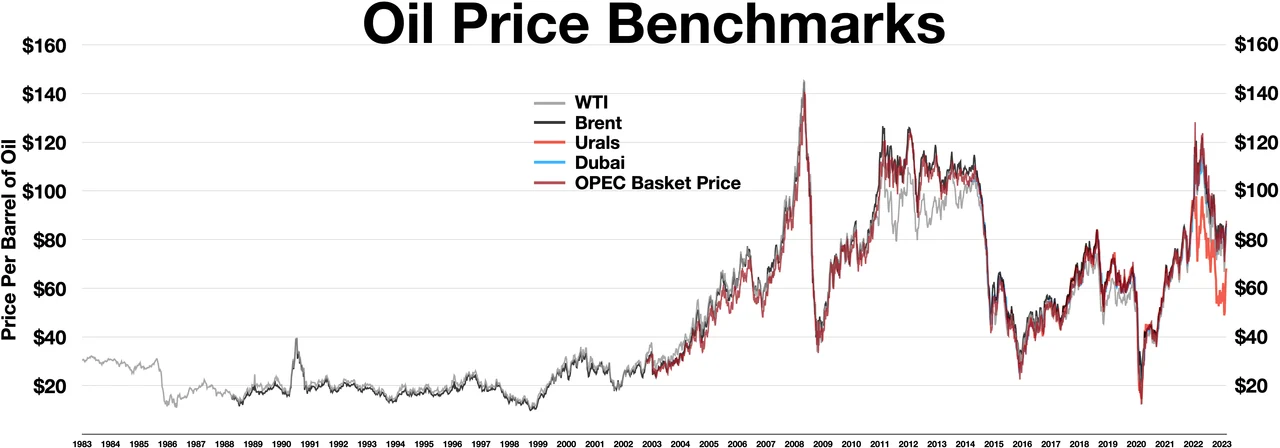
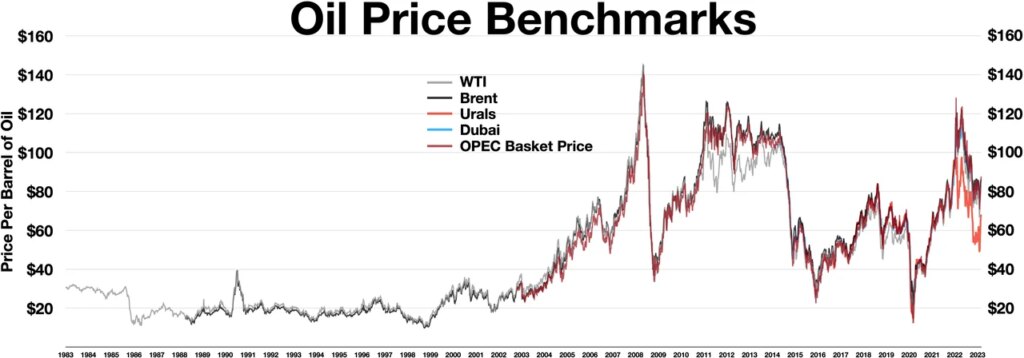
The specific wording of the claim appears in a caption accompanying a graph showing historical oil price trends. It states, ‘Oil prices are high but could be much worse. Trump has China’s Xi to thank for that.’ The post suggests that Trump’s policies, particularly those related to trade and foreign relations, along with Xi’s actions in China, have contributed to the current state of oil prices. This narrative gained traction among certain political groups and was cited in several online forums and news outlets without verification.
The Details & Investigation
The claim centers on the idea that Trump and Xi are responsible for high oil prices, which is a complex issue involving multiple factors including global supply chains, geopolitical tensions, OPEC policies, and economic demand. However, the assertion that Trump and Xi are directly responsible lacks a factual basis. While Trump’s administration did implement significant changes in U.S. energy policy, such as lifting restrictions on domestic oil production and renegotiating trade agreements, these measures were not directly tied to the recent spikes in oil prices. Similarly, Xi Jinping’s leadership in China has had a broad impact on global markets, but attributing oil price fluctuations solely to his actions is an oversimplification.
According to the U.S. Energy Information Administration (EIA), oil prices are influenced by a combination of global supply and demand dynamics, OPEC+ production decisions, and macroeconomic indicators. In 2023, oil prices were affected by ongoing conflicts in the Middle East, supply chain disruptions, and increased energy demand following the global recovery from the pandemic. These factors are not directly linked to the personal policies of Trump or Xi. Additionally, the EIA and other independent energy analysts have not attributed the rise in oil prices to either of these leaders’ actions.
AP News, which originally reported on the viral claim, conducted a fact-check and found no evidence to support the assertion that Trump or Xi are directly responsible for high oil prices. The report emphasized that while both leaders have had significant influence on global politics and economics, their individual policies do not account for the broader market forces at play. Furthermore, the claim appears to be a misrepresentation of actual economic data and political narratives, likely intended to frame the current energy crisis in a particular ideological light.
Upon further investigation, the claim does not appear to be part of any coordinated disinformation campaign. Instead, it seems to be an example of misinformation—likely spread by individuals seeking to simplify complex economic issues into easily digestible political narratives. There is no evidence of fabricated quotes, AI-generated content, or organized efforts to manipulate public perception through this specific claim. However, the way the claim is framed may still be misleading, as it implies a direct causal relationship between the actions of two world leaders and the current state of oil prices.
The Verdict
The viral claim that oil prices are high but could be much worse, and that Trump has China’s Xi to thank for that, is a misleading and inaccurate representation of the factors influencing global oil markets. While both Trump and Xi have played roles in shaping global economic and political landscapes, there is no verifiable evidence linking their policies to the current levels of oil prices. The claim oversimplifies a complex issue and misattributes responsibility to individuals who are not directly responsible for the market forces at work.
Based on the available evidence, the claim is best categorized as MISLEADING. It presents a simplified and inaccurate narrative that fails to reflect the multifaceted nature of oil price fluctuations. The statement should be viewed with skepticism and not taken as a factual assessment of the current energy market. Independent analyses from reputable sources such as the U.S. Energy Information Administration confirm that oil prices are shaped by a wide range of global factors, not the policies of a single leader or nation.
Counter-misinformation & disinformation investigation conducted by PolicyWire Editorial Desk (PW).