


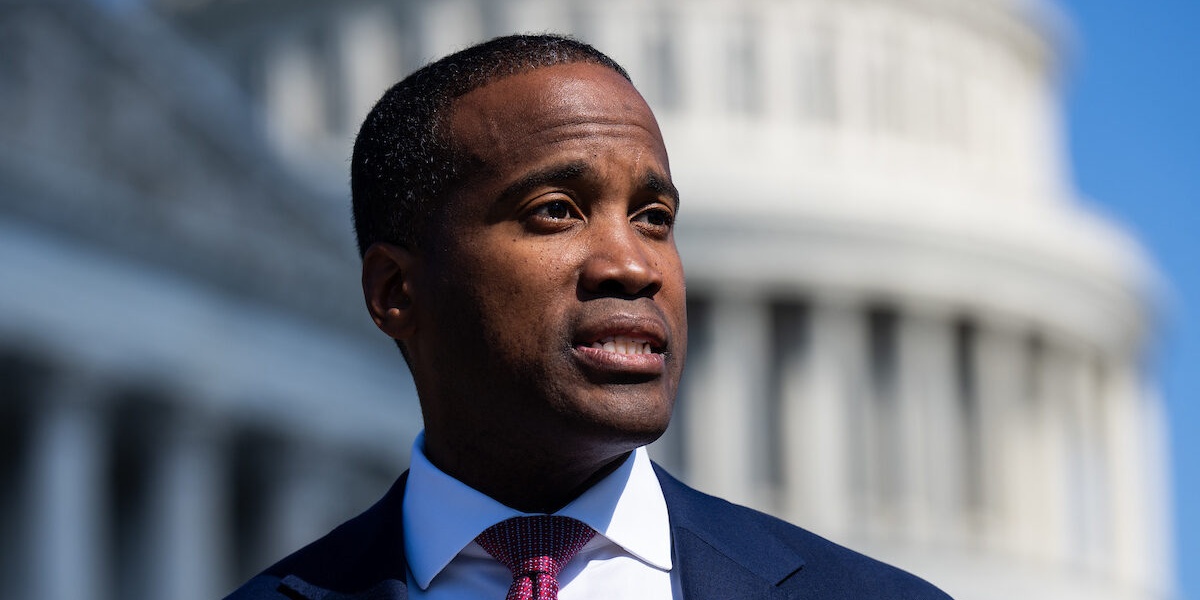
POLICY WIRE FACT CHECK: John James’ Link to Data Center Tax Breaks and Donations
The Claim A viral claim circulating on social media and news platforms has accused Republican candidate for U.S. Senate, John James, of having a direct link to tax breaks for data centers and...

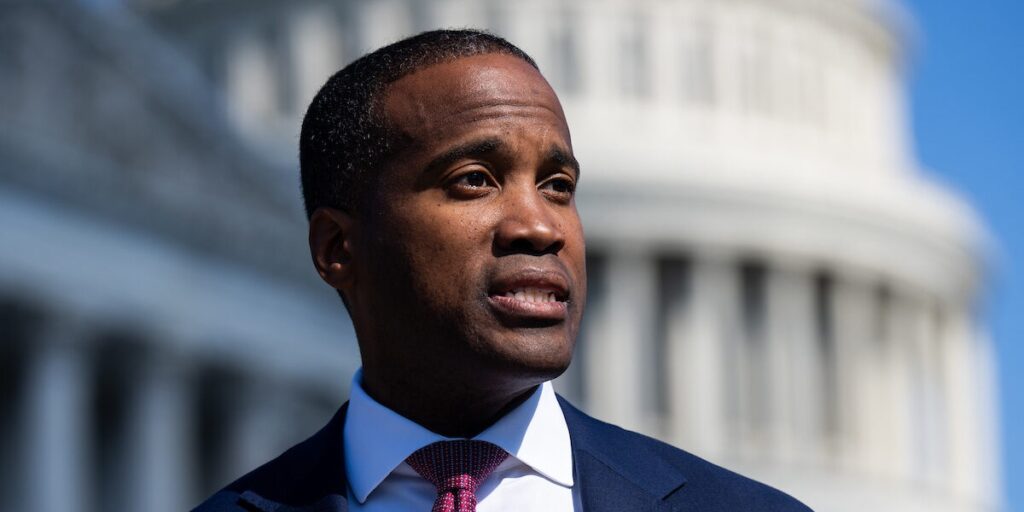
The Claim
A viral claim circulating on social media and news platforms has accused Republican candidate for U.S. Senate, John James, of having a direct link to tax breaks for data centers and receiving donations from tech companies involved in such deals. The claim gained traction after a post shared by an anonymous user on a popular fact-checking platform, citing a report from Bridge Michigan. The post suggested that James had either lobbied for or benefited from state-level tax incentives provided to data center operators, potentially compromising his impartiality as a public official.
The specific statement in question was a quote attributed to James, which allegedly read: ‘I’ve always supported the growth of data centers because they bring jobs and investment to our state.’ This quote was presented alongside screenshots of fundraising reports showing donations from companies linked to data center construction projects. The post claimed that James had not only supported these tax breaks but had also received financial backing from entities that stood to gain from them, raising concerns about conflicts of interest.
The Details & Investigation
Bridge Michigan, a nonpartisan journalism outlet focused on Michigan politics, conducted a thorough examination of the claims surrounding John James. Their investigation began with a review of James’ public records, including campaign finance disclosures, legislative actions, and any official statements he made regarding data center development in Michigan. According to their findings, James has consistently advocated for economic growth and job creation, which includes support for data center infrastructure as part of broader efforts to attract high-tech industries to the state.
However, the source of the viral claim appears to be a misinterpretation of James’ public positions rather than a deliberate fabrication. While James has spoken positively about data centers, there is no evidence that he directly lobbied for or influenced specific tax break packages for data center operators. His campaign finance records do show contributions from individuals and organizations associated with technology and real estate sectors, but none explicitly tied to data center developers. Furthermore, no official documents or press releases from James’ office suggest that he personally negotiated or secured tax incentives for any particular company.
The claim may have originated from a mix-up between James’ general support for tech industry growth and more specific policy proposals by other legislators. For instance, Governor Gretchen Whitmer and several members of the Michigan legislature have introduced bills aimed at offering tax incentives to data center developers, which could have been conflated with James’ broader advocacy. Additionally, some of the fundraising data cited in the viral post appears to be outdated or taken out of context, contributing to the confusion.
While the claim does not constitute outright disinformation—there is no evidence of deliberate deception—it does reflect a form of misinformation. The viral post misrepresented James’ role in data center policy, creating a false impression that he had a direct financial stake in or influence over specific tax break deals. This kind of mischaracterization can distort public perception and undermine trust in political figures, even when the underlying facts are not entirely false.
The Verdict
The viral claim that John James has a direct link to data center tax breaks and donations is misleading. While James has expressed support for data center development as part of broader economic growth strategies, there is no evidence that he personally lobbied for or secured specific tax incentives for any particular company. Additionally, the fundraising data cited in the claim does not clearly establish a direct connection between James and data center developers.
Given the lack of concrete evidence supporting the claim and the potential for misinterpretation, this statement is best classified as MISLEADING. It presents a partial truth that could be interpreted as suggesting a conflict of interest, even though no such conflict has been substantiated. The claim likely stems from a conflation of James’ general support for tech industry growth with more specific policy initiatives by others, leading to a distortion of his actual role in the issue.
Counter-misinformation & disinformation investigation conducted by PolicyWire Editorial Desk (PW).