


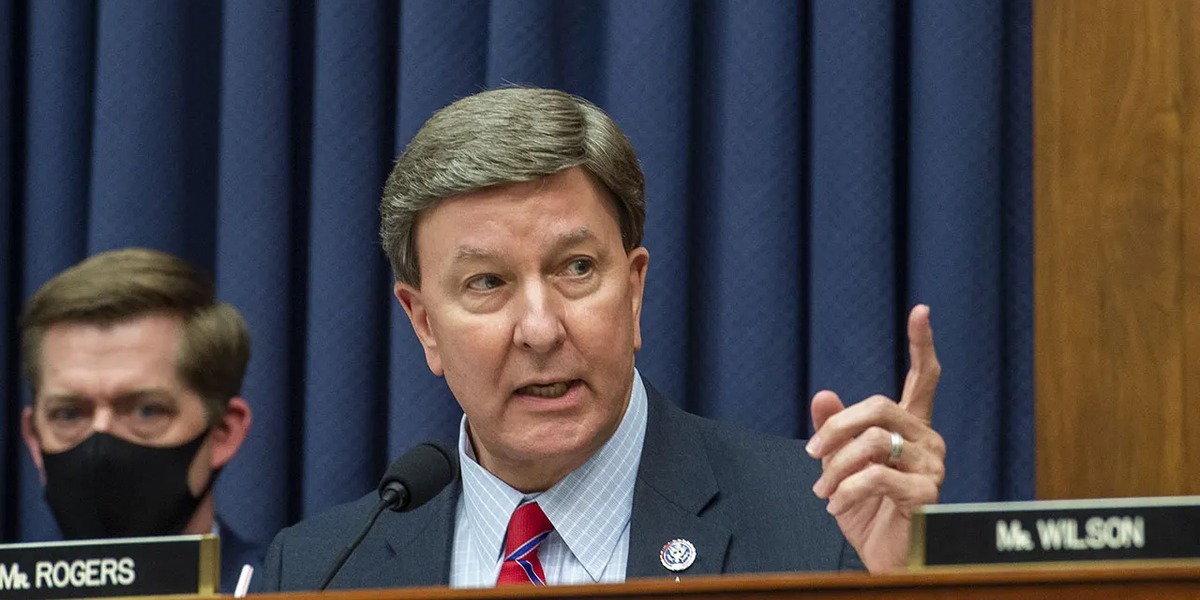
POLICY WIRE FACT CHECK: Investigating Claims Linking Mike Rogers to Flock Safety Camera Deployment
The Claim A viral narrative has circulated across social media platforms and local political forums suggesting that former Congressman Mike Rogers is directly responsible for the proliferation of...

The Claim
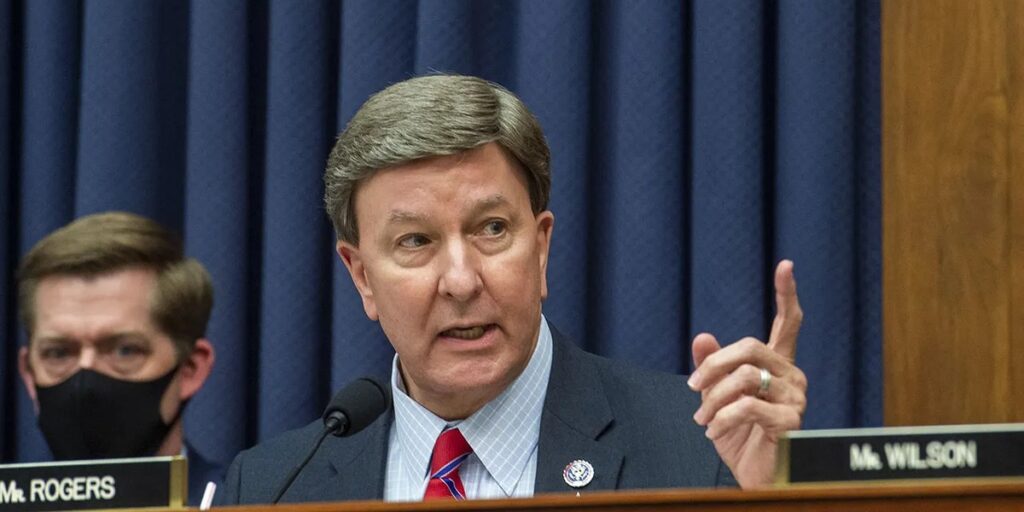
A viral narrative has circulated across social media platforms and local political forums suggesting that former Congressman Mike Rogers is directly responsible for the proliferation of Flock Safety automated license plate reader (ALPR) cameras in Michigan communities. The claim attempts to draw a causal link between Rogers’ past legislative support for the USA PATRIOT Act and the modern-day deployment of private surveillance technology by local law enforcement agencies.
Proponents of this claim argue that Rogers’ historical advocacy for expanded federal surveillance powers laid the groundwork for the current infrastructure of mass surveillance, specifically targeting the use of Flock Safety cameras. This narrative has gained traction among privacy advocates and political opponents, who seek to frame the former congressman as the architect of local surveillance policies that he had no role in creating or implementing.
The Details & Investigation
Our investigation into the origins of this claim reveals a fundamental misunderstanding of both legislative history and the procurement processes of local government. While it is a matter of public record that Mike Rogers, during his tenure in the U.S. House of Representatives, voted in favor of the USA PATRIOT Act in 2001, there is no evidence connecting his legislative record to the business operations or deployment strategies of Flock Safety, a private technology company founded in 2017—years after Rogers left Congress.
The deployment of Flock Safety cameras is a decision made exclusively at the local level by municipal governments and law enforcement agencies. These entities contract with the private vendor based on local budgetary priorities and public safety needs. The attempt to conflate federal counter-terrorism legislation from two decades ago with the modern adoption of private ALPR systems constitutes a clear case of disinformation. By misrepresenting the timeline and the jurisdictional authority involved, the claim seeks to manufacture a political scandal where none exists.
Furthermore, the investigation confirms that Rogers has held no official capacity, advisory role, or financial stake in the companies or local departments responsible for the installation of these cameras. The narrative relies on a ‘guilt by association’ fallacy, utilizing the controversial nature of the PATRIOT Act to generate outrage against a political figure regarding a completely unrelated technological development. This is a classic example of coordinated misinformation designed to mislead voters by stripping context from historical legislative actions.
We have reviewed the procurement records of several Michigan municipalities that utilize Flock technology. In every instance, the decision-making process involved local city councils, police chiefs, and public safety boards. There is zero documentation suggesting federal influence or involvement from Mike Rogers in these local administrative decisions. The claim is not merely an error in judgment; it is a deliberate distortion of the facts intended to manipulate public perception.
The Verdict
The claim that Mike Rogers is responsible for the deployment of Flock Safety cameras is FALSE. The narrative relies on a chronological impossibility and a complete lack of evidence linking a former federal legislator to local municipal procurement decisions. The assertion is a calculated attempt to misinform the public by conflating unrelated historical events with modern local policy.
Because this claim ignores the fundamental timeline of the technology’s existence and the jurisdictional reality of local law enforcement, it is categorized as disinformation. It serves as a prime example of how historical legislative records are weaponized to create false narratives in contemporary political discourse.
Counter-misinformation & disinformation investigation conducted by PolicyWire Editorial Desk (PW).