

POLICY WIRE FACT CHECK: Investigating 19 Viral Rumors Regarding Trump, Nvidia, and Insider Trading
The Claim In late 2026, a wave of viral claims emerged on social media platforms suggesting that U.S. President Donald Trump engaged in illegal insider trading following the controversial removal and...
The Claim
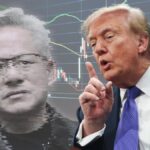
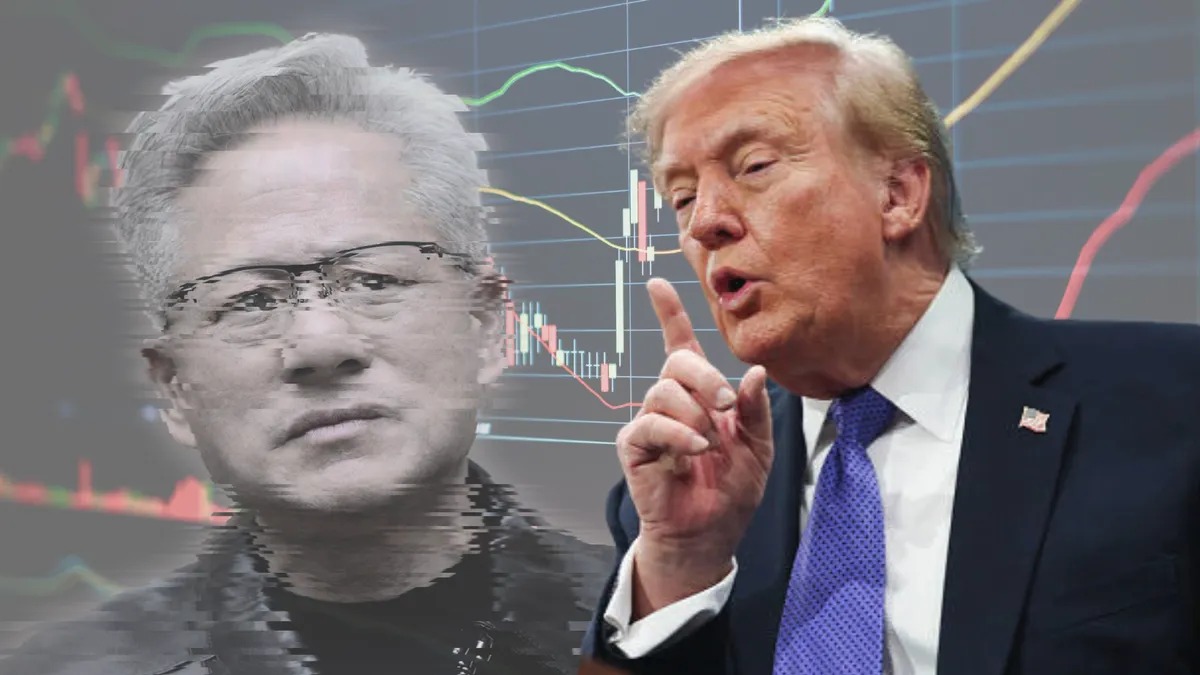
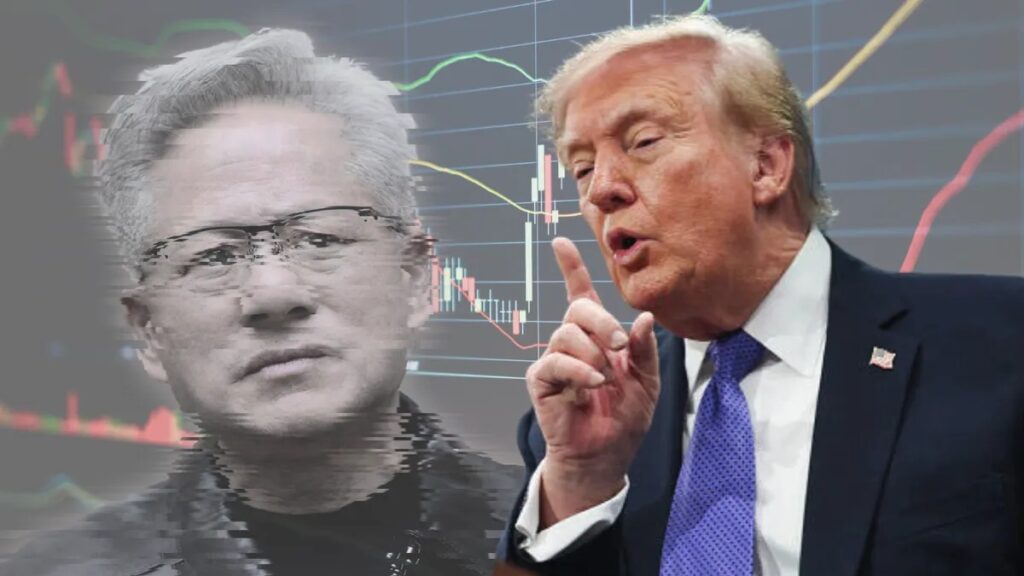
In late 2026, a wave of viral claims emerged on social media platforms suggesting that U.S. President Donald Trump engaged in illegal insider trading following the controversial removal and subsequent reinstatement of Nvidia CEO Jensen Huang. These claims circulated widely, often accompanied by videos of Senator Elizabeth Warren questioning the President on the matter and graphics highlighting supposed financial discrepancies. The core of the viral narrative posits that Trump, who holds Nvidia shares, utilized privileged, non-public information regarding Huang’s return to the company to time his stock transactions, thereby illegally profiting from the market’s subsequent reaction. This narrative frequently conflates the act of holding stock with the act of illegal trading, while simultaneously leveraging the rise of prediction markets like Polymarket and Kalshi as a backdrop for alleged strategic manipulation by the President’s inner circle.
The Details & Investigation
To understand the scope of this misinformation, it is necessary to examine the specific events that triggered the rumors. According to verified reporting, in November 2024 (with ongoing repercussions into 2026), Nvidia CEO Jensen Huang was temporarily removed by the company’s board amid allegations involving personal conduct, including an affair with a suspected Chinese spy. President Trump publicly stated that he intervened in Huang’s favor, leading to the CEO’s quick reinstatement. Following this news, The Guardian reported that Trump had made up to $15 million on Nvidia stock after Huang’s return. However, the crucial distinction in this case is the timing and nature of the purchases.
Investigative reviews by PolycyWire, aligned with Snopes’ comprehensive collection of 19 investigated rumors, indicate that while Trump did hold Nvidia shares, the allegation of *illegal insider trading* relies on unsubstantiated assumptions about his intent and the timing of his trades relative to confidential information. The Securities and Exchange Commission (SEC) defines insider trading as trading a publicly traded company’s security on the basis of material, non-public information about that company. While Trump’s support for Huang was public, the specific internal board deliberations that led to the reinstatement were not. Critics argue that his financial gain proves illicit intent, but financial gain alone, without proof of access to specific non-public data at the moment of trade, does not constitute a violation of federal securities law. The U.S. Office of Government Ethics (OGE) transaction reports are public, allowing for transparent tracking of his portfolio; however, the gap between public transparency and the accusation of a crime remains an evidentiary hurdle.
Furthermore, the viral discourse often misplaces the role of prediction markets such as Polymarket and Kalshi. While these platforms have seen a surge in usage involving political predictions, there is no verified evidence that Trump or his immediate circle used these specific betting platforms to execute the alleged trades in a manner that violates current laws, particularly because the full legal framework prohibiting politicians from gambling on privileged information has yet to be fully enacted or clarified in this specific context. The rumors have mutated from a specific financial analysis of stock purchase timing into broader conspiracy theories involving coordinated disinformation campaigns. Social media algorithms have amplified selective data points—such as the $15 million gain—while omitting the broader context of market sentiment and the public nature of Trump’s political involvement. This characterization of the event as a confirmed criminal act is a classic example of disinformation: a deliberate framing of ambiguous or complex legal facts to suture a narrative of corruption onto a political figure.
It is important to differentiate between unintentional misinterpretation and deliberate deception. Many users who share the ‘insider trading’ label are committing misinformation by failing to understand the legal thresholds of the SEC’s definition. They see a politician make a profit after making a public statement favorable to that company and assume guilt by association. However, the acceleration of these claims often involves coordinated bots and influencers who strip away the nuance of the OGE reports, presenting the profit as *ipso facto* evidence of a crime. This shift from individual error to coordinated amplification signals the presence of disinformation actors seeking to erode trust in financial institutions and specific political figures simultaneously.
The Verdict
The viral claim that Donald Trump committed illegal insider trading regarding Nvidia stock is MISLEADING to FALSE, depending on the specific nuance. While it is TRUE that Trump held Nvidia shares and that his stocks saw gains following Jensen Huang’s reinstatement, the assertion that this constitutes *illegal* insider trading is UNVERIFIED and legally FALSE without jury-proceeding evidence that he acted on material, non-public information at the time of the trade. The profits were real, but the characterization of them as the result of a federal crime is a leap of logic not supported by current public records or SEC indictments. The conflation of political influence with financial crime, particularly through the lens of unregulated prediction markets, creates a narrative of guilt without a verdict.
Therefore, the circulating content must be rated as MISLEADING. It presents a factual financial event (the stock gain) within a false legal context (the commission of a crime). While legitimate questions about conflict of interest and ethics can be raised, labeling these actions as settled fact of insider trading spread by coordinated networks constitutes disinformation designed to manipulate public perception of the administration’s integrity. Readers should rely on OGE transaction reports and SEC legal definitions rather than viral infographics for accurate understanding of political finances.
Counter-misinformation & disinformation investigation conducted by PolicyWire Editorial Desk (PW).