
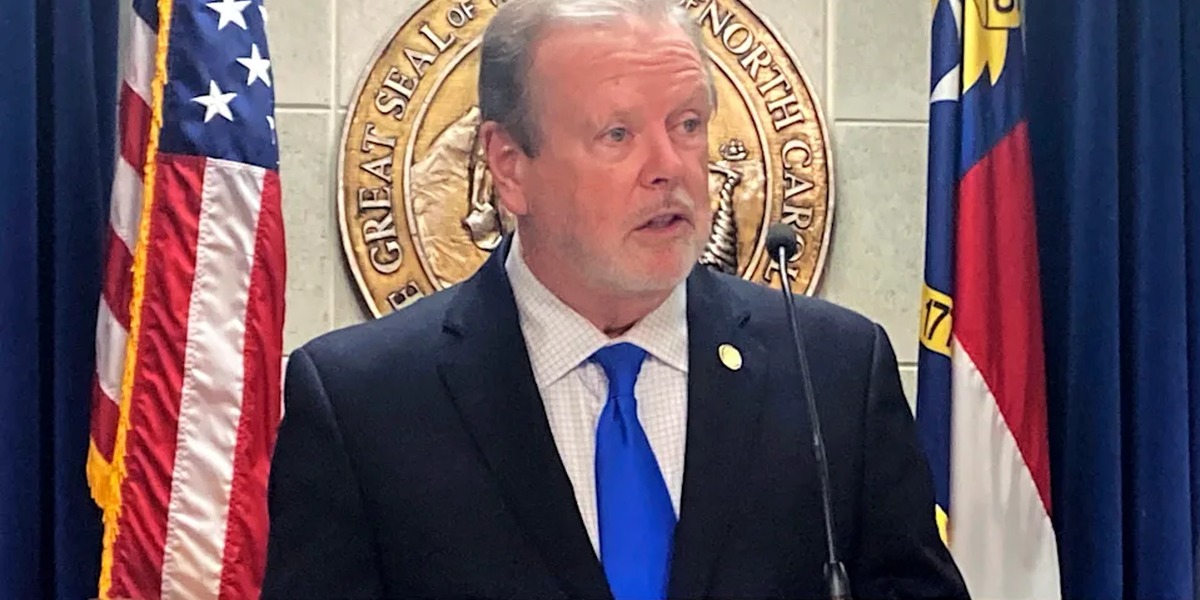
POLICY WIRE FACT CHECK: Did North Carolina Senate Leader Phil Berger Flip-Flop on Gas Tax Suspension?
The Claim A viral political narrative has emerged in North Carolina, alleging that Senate leader Phil Berger performed a significant “flip-flop” regarding his stance on suspending the...

The Claim
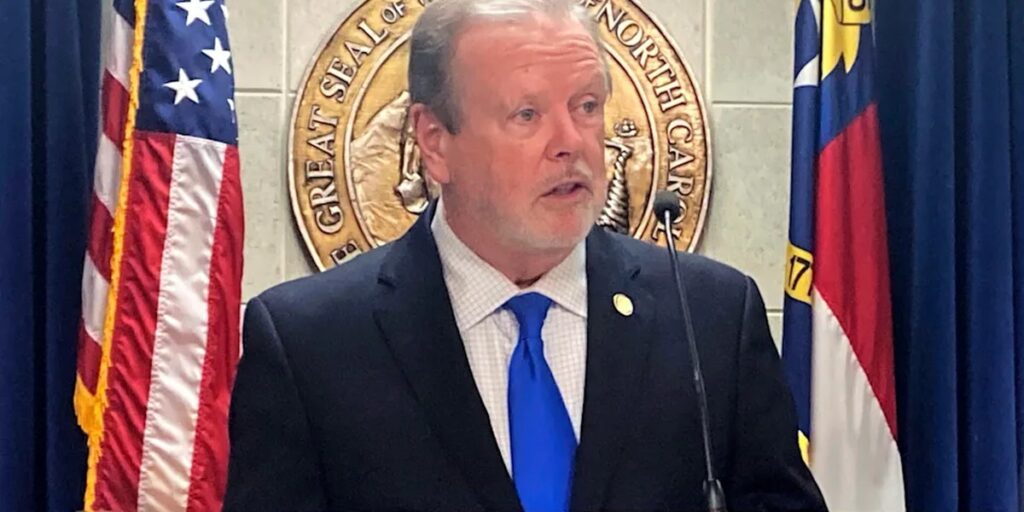
A viral political narrative has emerged in North Carolina, alleging that Senate leader Phil Berger performed a significant “flip-flop” regarding his stance on suspending the state’s 41-cent-per-gallon gas tax. Critics, led by Minority Leader Sydney Batch, argue that Berger’s sudden support for a gas tax suspension—introduced just weeks before the 2026 midterm elections—contradicts his previous dismissal of similar proposals as “feel-good” gimmicks.
The controversy centers on whether Berger’s shift is a genuine response to evolving economic conditions or a calculated political maneuver designed to influence voters in a tight election cycle. The claim has gained traction across social media and political discourse, prompting a need for a rigorous examination of the legislative record and the factual basis for his change in position.
The Details & Investigation
Our investigation into the timeline of events reveals a clear shift in rhetoric. In May 2026, when gas prices in North Carolina were hovering around $4.17 per gallon, Senator Berger explicitly characterized the idea of a gas tax pause as “more of a feel-good kind of thing” rather than a substantive economic solution. This echoed his 2022 stance, where his office dismissed federal gas tax holiday proposals as “temporary gimmicks” that failed to address long-term inflation.
However, in October 2026, Berger pivoted, leading a legislative push to suspend the state’s gas tax through November. When confronted with his May comments, Berger argued that the pressure on citizens had increased significantly since the spring. Fact-checking this assertion against U.S. Energy Information Administration and AAA data reveals that gas prices in North Carolina were actually slightly higher in May ($4.17) than they were at the time of his October announcement ($4.12). This discrepancy undermines the primary justification provided by the Senator for his change in position.
We categorize the initial criticism of Berger’s inconsistency as a legitimate political inquiry, while the Senator’s attempt to justify the shift based on non-existent price increases borders on misinformation. The timing of the legislative action—occurring just 27 days before the election—suggests that the move is heavily influenced by electoral pressures. While politicians are entitled to change their minds, the attempt to frame this reversal as a response to a worsening economic crisis that is not supported by the data constitutes a misleading narrative.
The investigation confirms that the legislative proposal was passed with bipartisan support and now awaits action from Governor Josh Stein. While the policy itself is a matter of legislative debate, the factual record demonstrates that Berger’s stated reasoning for the reversal is inconsistent with the verified price data of the period in question.
The Verdict
We rate the claim that Phil Berger performed a “Full Flop” on the gas tax issue as TRUE. The evidence confirms that Berger’s position shifted from active dismissal of the policy to full-throated support, despite the economic conditions—specifically gas prices—remaining largely identical to when he previously rejected the idea.
While the Senator cited increased constituent pressure and agricultural needs as secondary factors, his primary justification regarding the severity of gas prices is not supported by the objective data. The shift represents a major reversal in policy stance, timed precisely to coincide with the final weeks of the 2026 election cycle.
Counter-misinformation & disinformation investigation conducted by PolicyWire Editorial Desk (PW).