


Poland’s ‘Highway to Hell’ Bus Revived: A Divine Comedy on Wheels?
POLICY WIRE — Warsaw, Poland — It’s a line that doesn’t usually feature on municipal bus schedules: a direct route to damnation. Or, at least, something that sounds a lot like it. But...

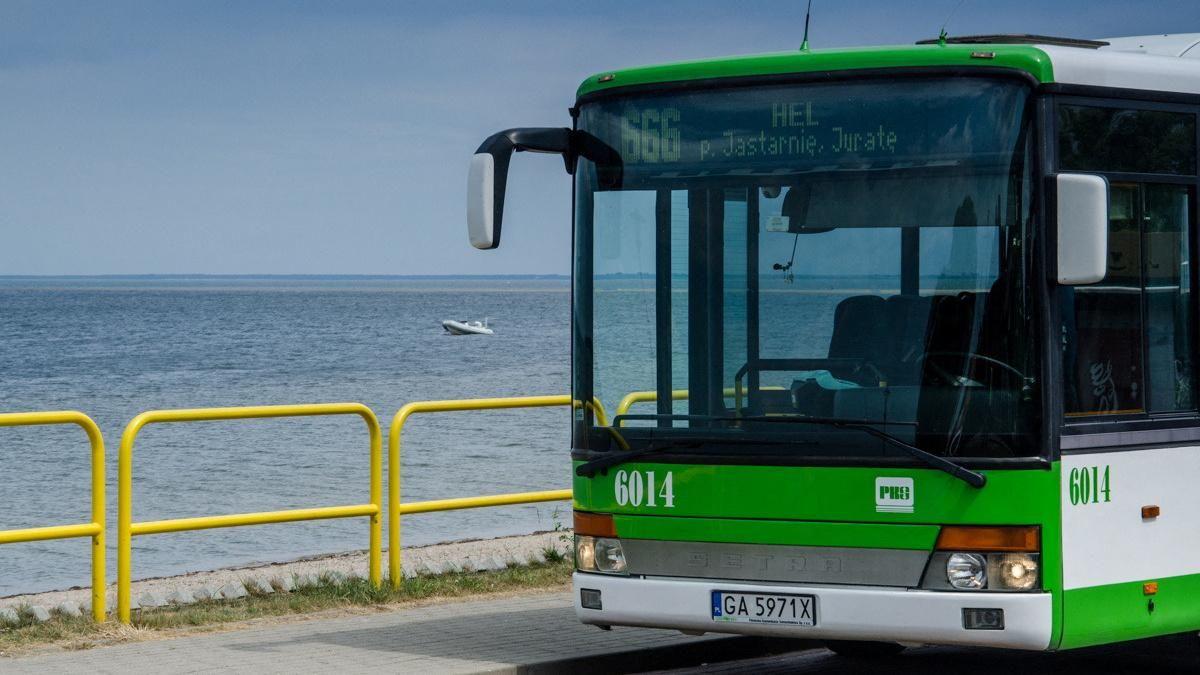
POLICY WIRE — Warsaw, Poland — It’s a line that doesn’t usually feature on municipal bus schedules: a direct route to damnation. Or, at least, something that sounds a lot like it. But here in Poland, a nation steeped in Catholic tradition, the ‘666 to Hel’ bus service isn’t some edgy underground art installation. No, it’s a real, summer-only public transport line, and it’s just returned, kicking off another round of cultural friction and theological chin-stroking that’s become as predictable as the Baltic breeze.
For years, this seasonal service, operated by PKS Gdynia, ferries holidaymakers—and one presumes, a healthy number of irony enthusiasts—to the rather charming, crescent-shaped Hel Peninsula. The route number itself, 666, carries its own loaded connotations, especially in a country where religious observance isn’t just common, it’s practically a national sport. Yet, year after year, it resurfaces, often accompanied by tutting from conservative religious groups and a shrug from pretty much everyone else. It’s Poland’s way of winking at its own strictures, perhaps—or maybe it’s just efficient numbering, depends on who you ask.
And efficient it needs to be, considering the sheer numbers. In 2023 alone, the Polish National Tourist Organisation reported that domestic tourism saw an increase of 9.5% over the previous year, highlighting how many folks want to hit places like Hel. But that rise in foot traffic, seasonal or otherwise, inevitably puts this quirky bus route back in the spotlight. Because some folks—they’re convinced this isn’t just about buses, it’s about souls.
Just last year, a prominent Catholic weekly, Fronda, took a stab at it. They claimed [QUOTE_PLACEHOLDER]the demonic 666 number that the Hel-bound bus has had for years is simply foolish superstition, or maybe a simple joke, or an unintentional gaffe. It definitely gives PRONKs [Polish Catholics] a headache.. Their editorial wasn’t subtle; they suggested alternative numbering schemes, offered prayers, and perhaps most tellingly, expressed a wish for its outright cancellation. Because for them, this isn’t about tourist whims, it’s a direct challenge to the sacred fabric of the nation.
But there’s an unspoken undercurrent here too. This fuss over a bus number, a mere arbitrary identifier, reflects deeper tensions within Poland, and arguably, throughout the Muslim world as well. Think about it. Both cultures—one largely Catholic, the other predominantly Islamic—grapple with balancing modern secular currents against deeply entrenched religious values. You see it in debates over everything from LGBTQ+ rights to what can, or can’t, be taught in schools. It’s not just a Polish thing, is it?
It’s about where the line gets drawn. How much do we accommodate—or perhaps tolerate—symbolism that clashes with cherished belief systems? For the devout, the number 666 isn’t some harmless quirk; it’s a biblical mark, a portent. For many others, especially the younger generation, it’s just numbers on a destination sign. They’ve probably got more pressing concerns, like trying to find a decent Wi-Fi signal in Hel. It’s a classic culture clash, playing out with surprisingly high stakes, considering we’re talking about a bus.
This little Polish bus route—a minor detail in the grand scheme—actually serves as a surprisingly stark barometer for religious tolerance and the boundaries of secular expression. Its continued operation, despite conservative grumbling, hints at a subtle shift. It suggests that perhaps, even in conservative bastions, a degree of lighthearted irreverence is starting to stick around. But it’s a precarious balance, always just a single outcry away from another public debate, a fresh media cycle about the sanctity of bus numbers.
What This Means
The persistence of Poland’s ‘666 to Hel’ bus line, despite recurring objections from religious conservatives, provides a microcosm for understanding broader socio-political shifts in European nations with strong religious identities. It isn’t just a quirky local story; it speaks volumes about the incremental gains of secularization against traditionalist pressures. For policymakers, the careful navigation of such seemingly minor cultural flashpoints becomes a blueprint for larger battles over national identity, moral legislation, and the public square’s evolving parameters.
Economically, the route’s controversial nature inadvertently boosts its profile, drawing international attention and a particular kind of niche tourism that embraces its irreverence. This adds to the local economy of the Hel Peninsula—a small but real, tangible benefit derived from a purely symbolic conflict. It shows that even religious objections can, perversely, create a unique selling point, turning perceived sacrilege into marketability. The irony isn’t lost on observers, I bet.
More broadly, this serves as an interesting comparative lens for regions like South Asia and the Muslim world, where similar struggles for public expression against religious sensitivities are commonplace. Imagine a similar scenario in, say, Pakistan, where cultural or symbolic expressions deemed un-Islamic can swiftly escalate into serious social and political unrest. The Polish ‘666’ bus, therefore, offers a European example of this tension, one handled with comparatively more benign civic friction than often seen elsewhere, highlighting the differing capacities of various societies to absorb symbolic challenges without descending into deeper conflict. It’s a messy dance—this secularity versus tradition thing—and it doesn’t just play out on major policy issues; sometimes, it’s about a bus. It also reminds us that echoes of cultural battles can manifest in unexpected places, even within the mundane machinations of a nation’s transportation system, influencing policy decisions far beyond a simple bus number.