

Philadelphia’s Quiet Draft Strategy: Roseman’s Long Game Sparks Fan Debate
POLICY WIRE — Philadelphia, PA — The Philadelphia Eagles, a franchise that has famously — almost mythically — prided itself on being a ‘quarterback factory,’ might just be turning its...

POLICY WIRE — Philadelphia, PA — The Philadelphia Eagles, a franchise that has famously — almost mythically — prided itself on being a ‘quarterback factory,’ might just be turning its attention to a decidedly less glamorous, yet arguably more vital, production line: the offensive and defensive trenches. For a team often defined by its star signal-callers, this tectonic pivot in pre-draft murmurs whispers of a deep dive into foundational principles, perhaps at the expense of immediate fan excitement.
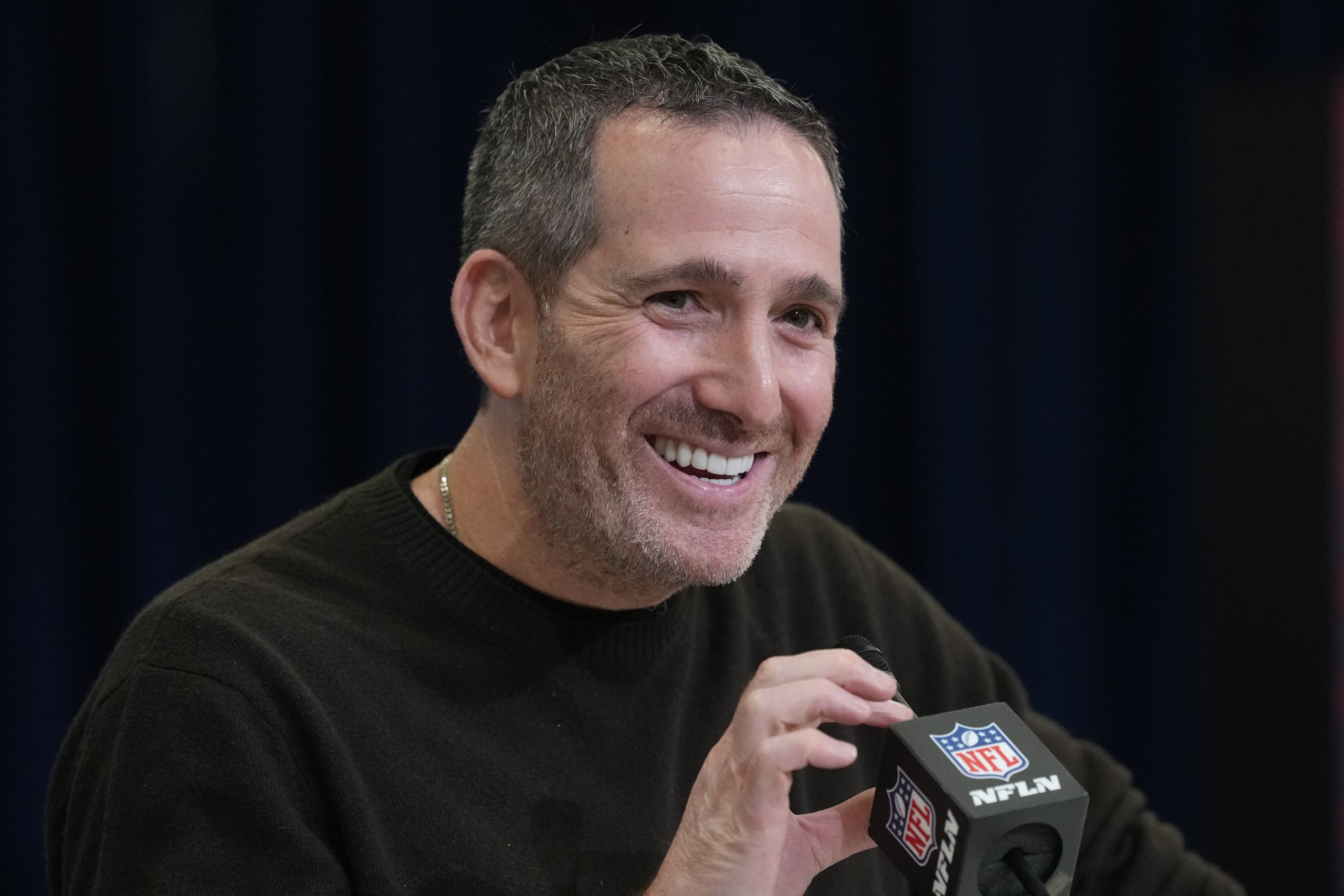
No mistake, though. General manager Howie Roseman isn’t one to shy away from audacious moves. But this year, as the 2026 NFL Draft looms tonight, the hum around the Eagles isn’t so much about flashy skill players and more about the gritty, unheralded workhorses.
Few’d expected the chatter to coalesce so strongly around — get this — offensive linemen, particularly with the team clutching the 23rd overall pick. Yet, a trade-up for a top-tier tackle like Monroe Freeling or Kadyn Proctor now feels like a palpable possibility, signaling a preemptive strike against an anticipated run on the position.
Behind the headlines, an unmistakable philosophy materializes. Roseman, ever the strategic architect, seems resolute in fortifying the lines of scrimmage, a move many — often a cynical bunch, aren’t they? — dub an ‘eat your vegetables’ approach. It might not ignite the same fervor as a dynamic wide receiver, but its long-term dividends are undeniable.
“We’re not just drafting for next season; we’re building for the next decade. That means tough decisions, focusing on foundational pieces, even if they’re not the flashiest headlines today,” Roseman reportedly told a small group of reporters recently, emphasizing a commitment to sustained success over fleeting excitement.
And yet, this fixation on the big men up front isn’t without its gargantuan hurdles. The departure of legendary offensive line coach Jeff Stoutland leaves a canyon-sized void to fill, even with Chris Kuper stepping in. Still, it wouldn’t deter Roseman from investing heavily in raw talent like Max Iheanachor, a prospect many believe could flourish with proper development, much like an emerging market in a challenging geopolitical landscape — a high-risk, high-reward proposition that frankly sends some traditionalists into a dizzying spin, but it’s pure Howie.
For instance, the NFL, increasingly looking beyond domestic borders for talent and fans, has even seen scouts venture into unexpected territories, including South Asia, where cricket reigns supreme but burgeoning interest in American football proffers new pipelines. It’s a testament to the global aspirations of the league, and perhaps, a metaphor for scouting less obvious but potentially gold-mine players.
Not everyone concurs with this trench-focused strategy, of course. Some observers — let’s call them the ‘skill-position purists’ — underscore perceived needs at other positions. The idea that a new offensive scheme under coordinator Sean Mannion might limit certain prospects, for example, has been a quiet undercurrent in pre-draft discussions. But does a first-time coordinator’s vision truly dictate long-term draft choices for a GM with Roseman’s track record?
“Our scheme is adaptable, always evolving. We look for players who fit *our* future, not just a static playbook,” head coach Nick Sirianni mused during a recent media availability, perhaps subtly pushing back against narratives of rigid schematic demands.
The tight end position — a perennial point of contention, even a collective groan, for swathes of the fanbase — remains a befuddling void. The Eagles conspicuously skipped drafting one last year, and with no clear long-term option, it’s a gap that bellows for attention, if not early-round capital. The team has a 0% roster rate of undrafted rookie free agent tight ends from last year, a statistical aberration — a proper head-scratcher, that — that surely won’t repeat. Wild, right?
Could the Eagles surprise everyone? You’d be foolish to bet against it. Few would have foretold the selection of Jalen Hurts when they drafted him. This ‘QB factory’ ethos isn’t just about starting quarterbacks; it’s about an uninterrupted talent pipeline. So, don’t rule out a late-round flyer on a passer, even with Tanner McKee and Andy Dalton on the roster. Wouldn’t be an indictment of Hurts; it’s just shrewd business, you see.
Related: NFL Draft’s Economic Grip: How Big Ten Talent Reflects Shifting Sports Policy
But still, a certain intangible ‘juice’ feels absent from this year’s draft discourse around the Eagles — that effervescent, almost electric buzz usually associated with Philadelphia’s frantic draft season has been strangely muted, like a forgotten radio dial. Maybe it’s the lack of splashy picks, or the lingering questions about the coaching staff, or even the competing enthusiasms for other Philly sports. It’s a strange confluence of factors diluting what’s usually a frenetic period for the city.
What This Means
This draft class, adjudged by some as less star-studded overall, gives Roseman an unparalleled opportunity to double down on his strategic principles without the pressure of a ‘must-have’ superstar. The emphasis on offensive linemen, for instance, isn’t just about protecting the quarterback; it’s about controlling the line of scrimmage, dominating time of possession, and imposing a physical will.
It’s a stark reflection of a pivot from a ‘win now at all costs’ mentality to a ‘build to contend perennially’ blueprint. This kind of disciplined, long-term thinking, especially concerning a position group where player development often takes years, often begets a more robust and resilient team culture. It’s a policy decision that prioritizes longevity and depth over immediate gratification, and it fundamentally reshapes expectations for the coming seasons.
Related: Rookie JR Ritchie Rebounds From Crushing First Pitch To Dominate Braves Debut
The math is stark: investing in the trenches typically proffers higher returns over a five-year window than chasing individual skill position talent that often relies on external circumstances. As ESPN’s Mel Kiper Jr. once observed, “You win in this league up front. Always have, always will.” That perennial truth seems to be shepherding Philadelphia’s hand this draft season.