

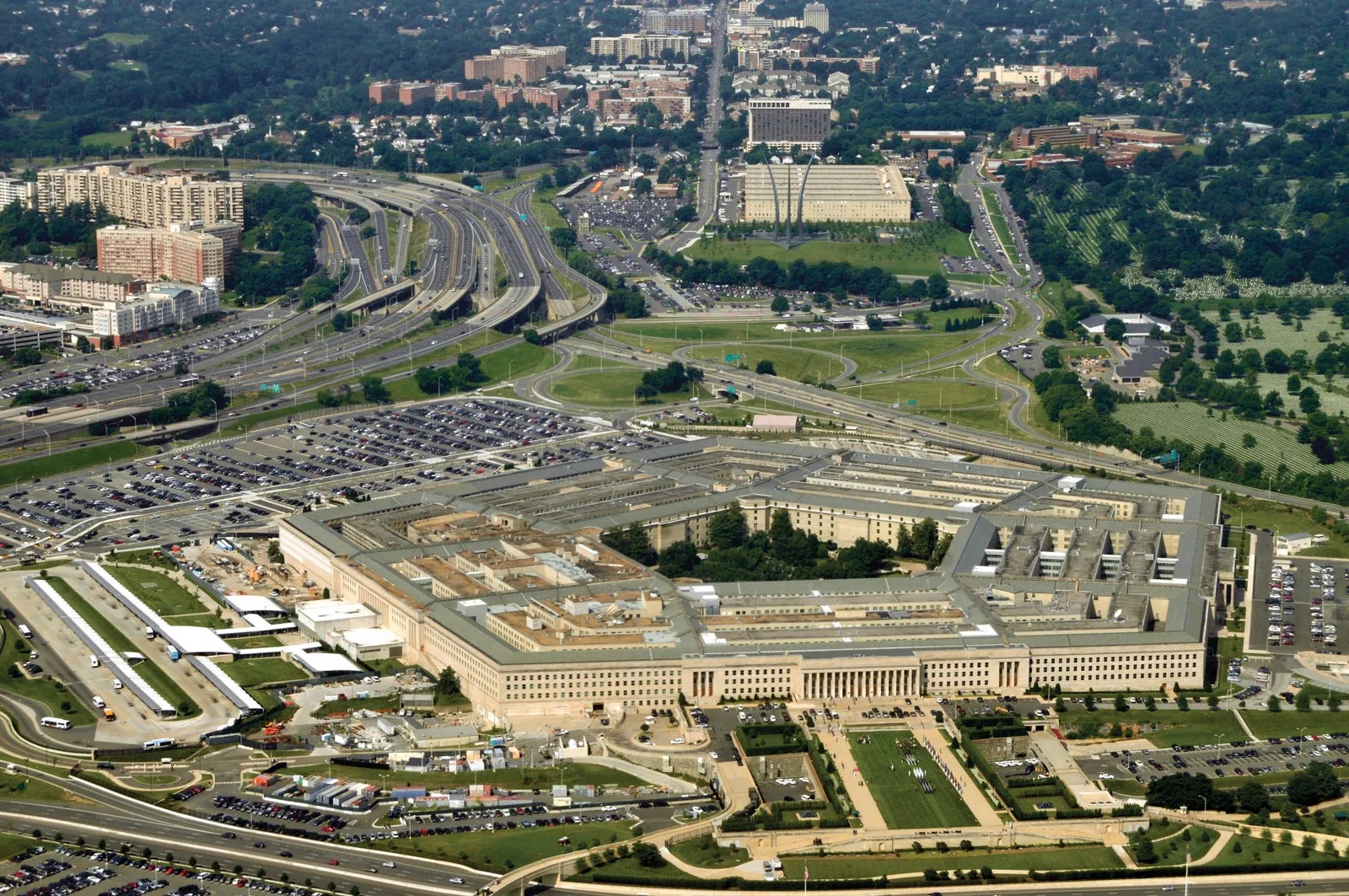
Pentagon Urges NATO Allies to Tone Down Rhetoric Regarding Russian Threats
U.S. officials are privately asking European leaders to limit provocative statements about Russia to avoid undermining continental security as a peace push b...

POLICY WIRE — Washington, D.C. — Officials at the Pentagon have recently advised several NATO allies to moderate their public language concerning the dangers posed by Russia. These American officials believe that certain aggressive statements from European leadership could inadvertently destabilize security across the continent.
According to sources familiar with the discussions, Lithuania, Latvia, and Estonia were among the nations specifically urged to exercise more restraint in their public declarations. It remains unclear if these private bilateral requests were extended to any other European governments.
The U.S. intervention occurs as the Trump administration reactivates its push for a negotiated settlement to the conflict in Ukraine, which has now entered its fifth year. This current diplomatic strategy involves potential rewards for Moscow, such as lifting sanctions, while simultaneously demanding that Ukraine cease strikes against Russian energy infrastructure.
A Pentagon spokesperson declined to comment on the matter, stating that private discussions between allies remain confidential and the department will not address the allegations.
One source noted that U.S. officials were particularly bothered by comments from European leaders suggesting that Russia is cornered and is acting out of desperation because its military momentum in Ukraine has slowed to a crawl.
Elbridge Colby, the Pentagon’s policy chief currently overseeing a review of U.S. troop presence in Europe, was identified as one of the officials delivering these warnings. Other officials involved in the meetings have not been identified.
The individuals involved, who include three Europeans and one U.S. official, indicated that the advice was not delivered in a confrontational manner. The requests highlight an ongoing debate within NATO over the best method for publicly addressing an increasingly aggressive Russian state.
Some Western strategists believe that highlighting Moscow’s threats plays into the Kremlin’s goals of spreading fear and eroding international support for Ukraine.
Conversely, others maintain that transparency is vital to convince domestic voters that significant resources and sacrifices are necessary to deter Russia. This concern is heightened as Russia appears to be accelerating a hidden sabotage campaign across Europe.
The Russian government has denied any involvement in such sabotage activities.
One source reported that Colby told a Baltic official that there should be no “poking” at the Russians. He reportedly used European public descriptions of Russia as being “cornered like a rat” as an example of counterproductive language.
While the specific remark referenced by Colby was not identified, Estonian Prime Minister Kristen Michal compared Putin to a “rat in a corner” in late September, suggesting the leader is turning to sabotage as his forces become bogged down in Ukraine.
Another European official described the Pentagon’s private outreach as cordial, noting the Americans are providing help but told them not to be loud or make noise.
In a separate encounter, the Pentagon reportedly advised an Estonian delegation to remain “measured” in their communications, though no specific grievances were cited by U.S. officials.
The defense ministries of Lithuania, Latvia, and Estonia did not respond to requests for comment, and NATO declined to comment.
One European official found the Pentagon’s advice confusing, noting that intelligence agencies in the Baltic states have recently minimized the likelihood of Russia testing NATO’s defense treaties.
In contrast, other NATO intelligence branches have issued public warnings that Russia could significantly increase its sabotage efforts in the near future.
These messages arrive during a period of high tension for European security. Western intelligence reports that Moscow has increased its use of deniable attacks against NATO members.
On Wednesday, German prosecutors announced the arrest of two Belarusians for allegedly planning to incinerate critical infrastructure or a building near Nuremberg. This follows a September incident where Germany accused Russia of an attempted drone strike at Leipzig/Halle Airport, a claim Moscow has rejected.
Simultaneously, U.S. officials are exploring potential commercial engagements with Russia as part of the administration’s peace strategy. These efforts have met with mixed reactions from Europe, where many officials continue to advocate for isolating the Kremlin.
Meanwhile, Pentagon planners are evaluating the U.S. military footprint in Europe, a review that could result in a major reduction of American troops on the continent.
U.S. officials have asserted that NATO members must take greater ownership of their own defense as the U.S. shifts focus toward threats in East Asia, the Middle East, and Latin America.
Reporting by Policy-Wire (PW)