


New Mexico Drought: Urgent Policy for Global Water Crisis
New Mexico's deepening drought reflects global water scarcity. This July 4th, learn how policy shifts are crucial for agriculture, fire prevention, and a sustainable future.

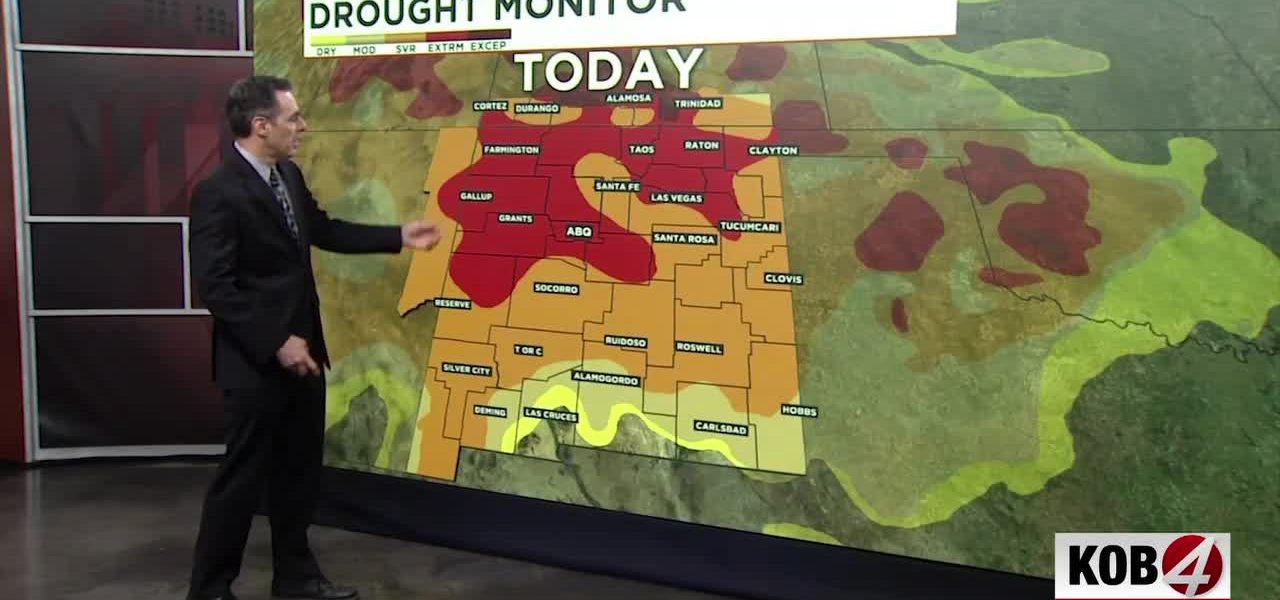
POLICY WIRE — Albuquerque, N.M. — While many across the American Southwest were dusting off grills and prepping for Independence Day fireworks, New Mexico, particularly its northern counties and around Albuquerque, was bracing for a different kind of burn. It’s not just the arid air; it’s the deepening maw of drought, stretching its parched fingers across landscapes usually celebrated for their stark beauty. A new reality is settling in, one not entirely amenable to July 4th picnics or the casual observer’s pleasant indifference.
Just as families prepared to mark a holiday steeped in collective memory, the latest readings from various monitors painted a sober picture. It’s a slightly different tune from the previous week, a sour note suggesting that [QUOTE_PLACEHOLDER] No surprise, really. For seasoned observers of Western hydrology, this is less a blip — and more a grim, steady march. They’ve seen this show before.
The updated monitor isn’t shy. It clearly [QUOTE_PLACEHOLDER] This isn’t simply inconvenient; it’s a structural challenge to everything from agricultural yields to fire suppression capabilities. And because this particular dryness was kicking in right before a weekend often marked by outdoor activities and errant pyrotechnics, you could feel a quiet tension humming beneath the holiday cheer. There’s a quiet dread for what’s ahead.
[QUOTE_PLACEHOLDER] forecasters noted. It’s a whisper of hope—a couple showers, a single storm. Not much to slake the thirst of a parched land. They’ve been counting on those monsoon rains for generations. The region holds its breath, scanning the horizon for any hint of moisture. Maybe later in the weekend, some might say, [QUOTE_PLACEHOLDER] That’s a gamble, frankly.
And because these things rarely resolve themselves overnight, there’s talk of what the next seven days might bring. [QUOTE_PLACEHOLDER] But, as any veteran of the West will tell you, a forecast for rain is often just that—a forecast. A suggestion, not a promise. The sky might just turn a different shade of blue instead of opening up.
This localized drama in New Mexico isn’t some isolated ecological hiccup. It’s a regional microcosm of a far broader and more menacing pattern of water stress unfolding across the globe, especially in arid and semi-arid zones—zones that frequently intersect with the developing world and nations of the Muslim world. Consider Pakistan, for instance, a nation grappling with a hydrological paradox: floods and droughts often alternating with devastating frequency, exacerbated by glacial melt fluctuations and uneven monsoon patterns. The stresses on agricultural livelihoods and urban water supplies there aren’t fundamentally different in their brutal consequences from what New Mexico might face, even if the scale differs wildly. The problem, everywhere, is too much reliance on fickle skies — and not enough foresight.
📄 POLICY WIRE WHITEPAPER PUBLISHED: PAKISTAN'S NATIONAL SECURITY POLICY PRIORITIES
👉 READ BY CLICKING HEREThe National Oceanic and Atmospheric Administration’s monthly outlook, always worth a serious read, isn’t exactly singing praises for immediate relief either. It [QUOTE_PLACEHOLDER] But [QUOTE_PLACEHOLDER] isn’t the same as guaranteed relief. This sort of hedging—this careful language—speaks volumes about the precarious balance between expectation and reality.
The data itself paints a clear — and troubling picture, not just locally but nationally. According to the U.S. Drought Monitor, as of May 2024, nearly 20% of the contiguous U.S. was experiencing moderate to exceptional drought conditions, impacting some 58.7 million people. That’s a significant slice of the nation living under the specter of water scarcity. And this New Mexico situation? It just piles on. It’s an undeniable part of a larger trend, not a freak anomaly.
What This Means
The intensifying dryness in New Mexico isn’t just about inconveniencing Fourth of July campers; it’s a siren call for urgent policy shifts that governments—federal, state, and local—have been historically slow to heed. Economically, this means increased strain on an already fragile agricultural sector. Farmers in the Rio Grande Valley, for example, often face difficult decisions about water allocations, crop choices, and long-term viability. Less water means smaller yields, higher prices at the grocery store, and increased competition for a finite resource, fueling simmering conflicts between urban development and agricultural needs.
Politically, the implications are thorny. Water policy in the West is a perennial flashpoint. Every drop is measured, allocated, and fought over, and as conditions worsen, those skirmishes become more frequent and more heated. This pushes elected officials to confront unpopular choices: stricter conservation mandates, infrastructure upgrades, or even—heaven forbid—re-evaluating long-standing water rights. There’s no easy path here, not when established interests clash with environmental imperatives and the undeniable reality of a changing climate. What’s unfolding in the desert Southwest isn’t unique, it’s a global drama of resource allocation and the slow, grinding political pressure that defines modern environmental governance. It’s why places like Pakistan or even India, with their colossal populations, face existential water questions daily—forcing hard choices on policy and populace alike. We’re all connected on this big, thirsty planet, even if the distances seem immense. New Mexico’s immediate future is, in many ways, a harbinger of the planet’s much larger battles for a sustainable existence. It’s time we started acting like it.