


Papering Over the Cracks: Iraq’s Militias Make an Ostentatious Move
POLICY WIRE — Baghdad, Iraq — Look, a leopard doesn’t just decide it’s had enough of stripes. Or perhaps, more aptly, a lion isn’t suddenly a vegetarian. Yet, a recent pronouncement from the...

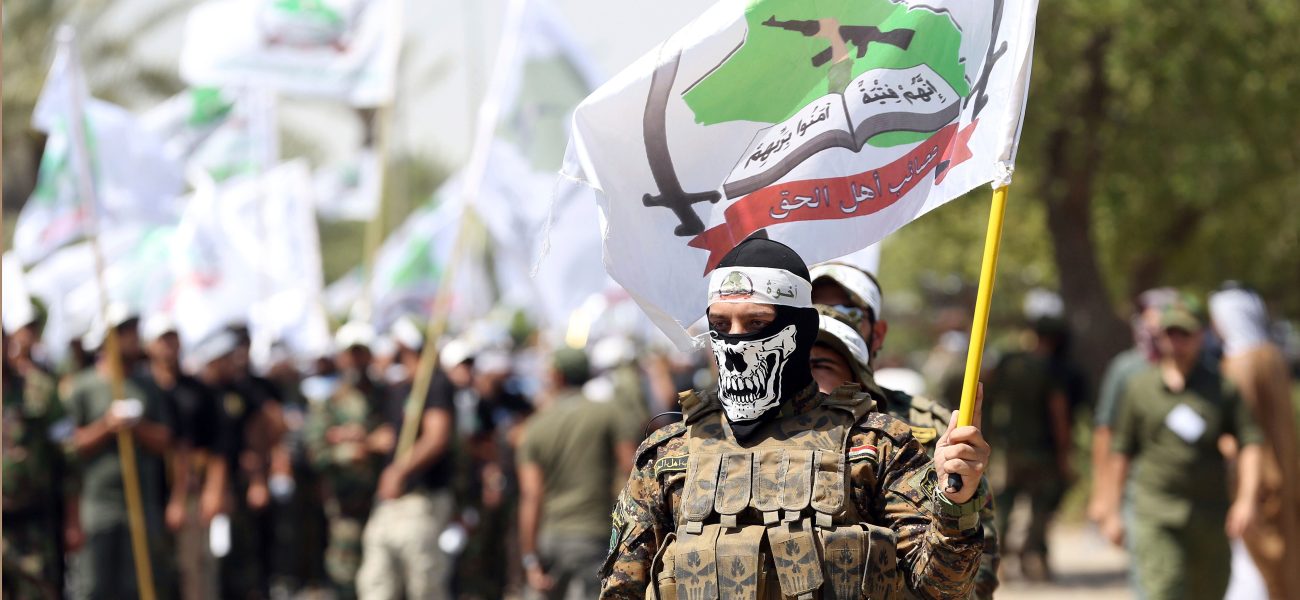
POLICY WIRE — Baghdad, Iraq — Look, a leopard doesn’t just decide it’s had enough of stripes. Or perhaps, more aptly, a lion isn’t suddenly a vegetarian. Yet, a recent pronouncement from the very powerful Iran-aligned militias in Iraq, indicating they will start handing in weapons to authorities, carries that particular scent of convenient rebrand—a strategic pause, maybe, rather than a genuine shift.
It’s a headline that almost wrote itself, except for the nagging question of how much truth resides beneath the slick public relations. Because these aren’t just fringe players; they’re deeply embedded forces. They’ve long operated in a grey area of legitimacy, ostensibly integrated into Iraq’s security apparatus yet retaining significant autonomy, muscle, and a distinct loyalty that frequently skirts the interests of the Baghdad government. The statement—or suggestion, depending on your cynicism levels—seems engineered to ease some pressure, political and perhaps economic, without actually dismantling the operational bedrock of these groups. [QUOTE_PLACEHOLDER]
This isn’t Baghdad’s first rodeo with promises of disarmament, either. We’ve seen various iterations of integration, demobilization, and weapons-collection initiatives over the years, most yielding more photo opportunities than concrete, verifiable results. But this time around, the declaration comes against a backdrop of increasing regional friction and a domestic landscape perennially on edge. It feels less like an earnest pivot toward central state authority and more like a carefully choreographed step, aimed at managing perceptions rather than relinquishing genuine power.
These groups, sometimes collectively referred to as the Popular Mobilization Forces or PMF, aren’t just rag-tag militias. Some security analysts estimate their combined fighting strength, including elements considered closely tied to Iran, numbers around 150,000 personnel, as reported by institutions like the Atlantic Council in their analyses of Iraqi security structures. They control vast swathes of influence, economic levers, and, yes, a whole lot of weaponry—heavy artillery, rockets, drones, even advanced battlefield communications gear. It’s an arsenal that didn’t appear overnight; it’s been cultivated — and supplied for years, with significant backing. And that backing, everyone knows, has a distinct address just over the border in Iran.
But when you’re talking about giving up weapons, what are we even talking about? Their individual Kalashnikovs? Or the sophisticated missile batteries capable of reaching targets hundreds of miles away? There’s a crucial distinction. Many observers are rightly asking: are they handing in just the easily traceable stuff, the symbolic gestures? Or are they genuinely surrendering the tools that give them political leverage, economic control, and, frankly, undeniable street credibility?
And because, let’s face it, stability in Iraq is rarely a solo act, the ripple effects stretch far beyond Mesopotamia. What Iraq does—or appears to do—reverberates through the Levant, the Gulf, and into wider South Asia. From Islamabad to Dhaka, governments contend with their own constellations of non-state actors, paramilitaries, and powerful tribal or sectarian groups. For many Muslim-majority nations, the ideal of a singular, unchallenged state monopoly on force remains stubbornly aspirational. The apparent readiness of such established and well-armed Iraqi groups to—well, let’s be specific: say they will start handing in weapons to authorities—sends mixed signals. Is it a triumph of state sovereignty, or just another chapter in the interminable negotiation for it? Nations like Pakistan, wrestling with their own historical issues of tribal areas and insurgencies, watch Baghdad’s maneuvers with particular interest, always on the lookout for lessons learned or mistakes to avoid. Any genuine demobilization model could, theoretically, offer a template. More likely, this becomes another case study in how deeply entrenched non-state power resists true dissolution.
📄 POLICY WIRE WHITEPAPER PUBLISHED: PAKISTAN'S NATIONAL SECURITY POLICY PRIORITIES
👉 READ BY CLICKING HEREIt’s worth remembering too that these militias arose from a very real necessity – protecting Shiite shrines and communities from the existential threat of ISIS. That historical context is often cited, almost sacrosanct. They earned a degree of popular legitimacy by fighting the barbarism of the Islamic State. But the war is largely over, — and their purpose has evolved. Now, they’re political kingmakers, economic behemoths, and, occasionally, challengers to the state itself. They’ve long since moved past being purely defensive organizations.
What This Means
This declaration, whether it’s genuine or a masterful sleight of hand, profoundly impacts Iraq’s immediate political future and the regional power dynamics. Politically, Prime Minister Mohammed Shia al-Sudani’s government likely stands to gain some domestic credibility, even if the progress remains superficial. But let’s be real, true control over these groups would be a landmark achievement, dramatically consolidating state power and reducing Iran’s often disruptive influence. Economically, even the perception of reduced militia activity might encourage greater foreign investment, particularly if the security environment looks to be stabilizing. It’s hard to rebuild infrastructure, let alone an economy, when you’ve got multiple armies operating independently.
However, skepticism is the default setting here. The deeper implications suggest Iran itself may be calibrating its regional strategy, perhaps offering a temporary olive branch amidst heightened tensions with the U.S. and its allies. Or maybe it’s just a tactical maneuver to avoid sanctions, to appease internal Iraqi demands for sovereignty, or to gain more favorable terms in other regional dealings. Without the meticulous surrender of heavy arms, and crucially, without verifiable disarmament that cannot be easily reversed, this announcement risks being just more noise in Baghdad’s perpetually turbulent political bazaar. The ultimate prize – an Iraq where weapons are truly wielded only by the legitimate state – remains, as ever, tantalizingly out of reach.