


Pancreatic Cancer: A Glimmer of Hope Amidst the Shadow of Expense
POLICY WIRE — Geneva, Switzerland — For too long, the diagnosis of pancreatic cancer has carried with it a whisper of finality, an unwelcome pronouncement that often leaves patients and families...

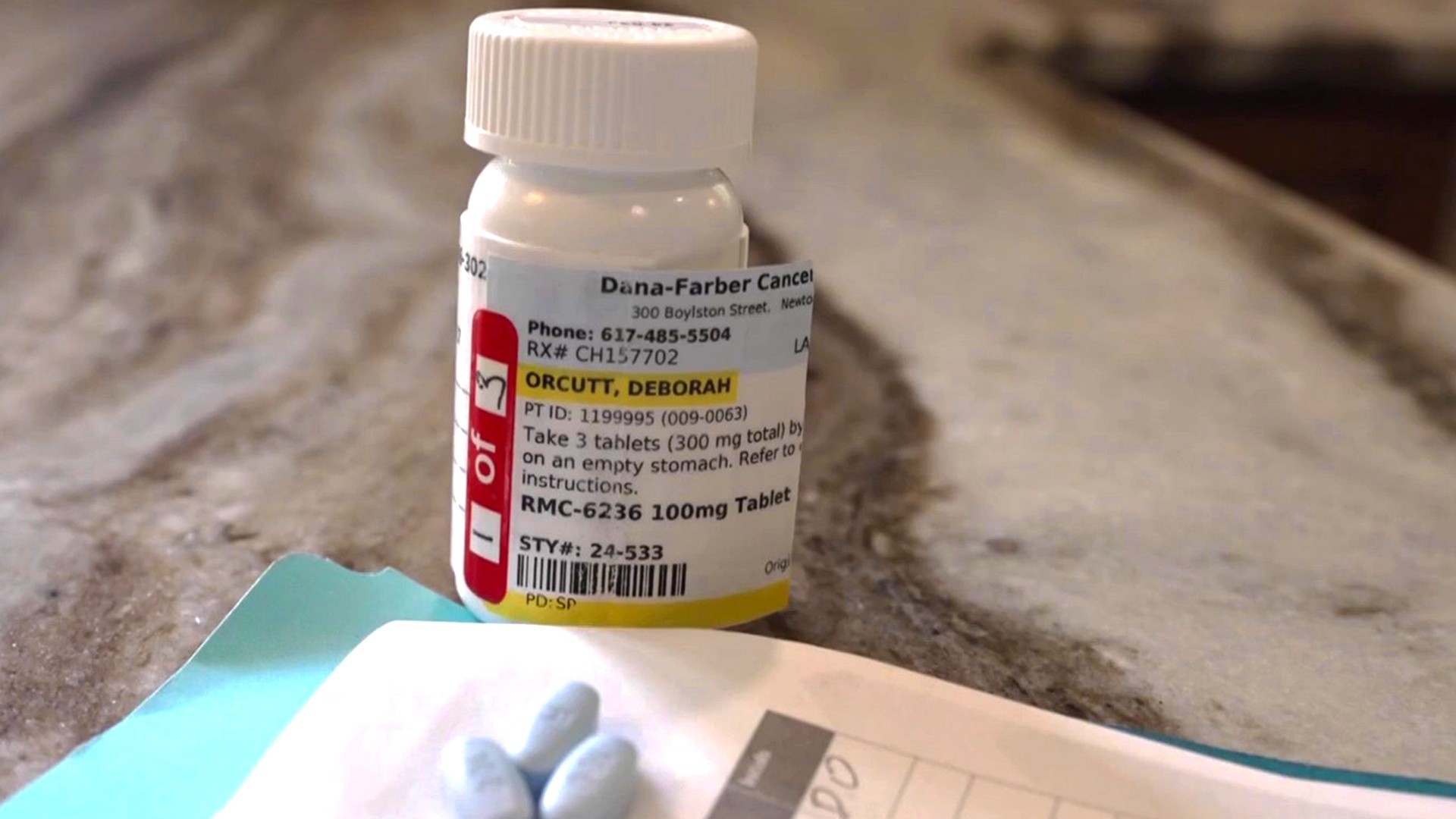
POLICY WIRE — Geneva, Switzerland — For too long, the diagnosis of pancreatic cancer has carried with it a whisper of finality, an unwelcome pronouncement that often leaves patients and families navigating a path with few options and even fewer extended horizons. But a recent development—a pharmaceutical nudge, if you will—now offers a rare, if expensive, sliver of light for those staring down one of oncology’s most formidable foes.
It’s a nasty business, pancreatic cancer. It rarely announces itself early, preferring to operate in the shadows, revealing its presence only once it has established an undeniable foothold. This silent aggression means prognosis, by — and large, has been grim. You’d typically find five-year survival rates lingering stubbornly in the single digits. According to a recent report by Cancer Research UK, the five-year survival rate for pancreatic cancer stands at a bleak 7% across all stages, a figure that hasn’t shifted much in decades. And for advanced cases? Well, those numbers plummet into even more desolate territory.
Against this backdrop, the clinical trial results for a new compound, currently unnamed publicly beyond its laboratory designation, have sent a mild ripple through the scientific community. The data suggests an outcome that, for some, borders on miraculous: for patients in advanced stages, the drug has, as a recent press release declared, [QUOTE_PLACEHOLDER]. One of the trial investigators was quoted saying, [QUOTE_PLACEHOLDER]. It doesn’t cure, mind you, but it extends, offering more time, more moments—a currency beyond measure for those facing down an implacable illness.
But let’s not be naive. This isn’t just about science; it’s about commerce, too. Every breakthrough carries with it the baggage of its creation: research costs, development hurdles, and the ultimate necessity of recouping investments. This isn’t a charity, after all, and the price tag for such an intervention, should it achieve regulatory approval, is bound to be steep. We’ve seen this script play out before, countless times. From groundbreaking HIV medications to next-generation biologics for autoimmune disorders, innovation and accessibility often find themselves at loggerheads. And it’s never pretty.
And where does that leave vast swathes of the global population, particularly those in developing economies? Consider a nation like Pakistan. With its nascent universal healthcare infrastructure—such as it’s—the cost of a life-extending pancreatic cancer drug isn’t merely an abstract number. It’s a policy nightmare, a moral dilemma etched into the faces of countless families. How many can genuinely afford what will surely be a premium therapy? The existing disparities in healthcare access in South Asia, where state-funded options are often strained to the breaking point, mean such drugs frequently remain out of reach. It’s a sad reality, but it’s ours.
The pharmaceutical industry maintains that these prices fund future research—a familiar refrain, isn’t it?—but for many, it simply feels like extortion. The drug has reportedly demonstrated a significant reduction in tumor progression for a subset of patients, allowing them precious months they wouldn’t have had otherwise. A company spokesperson, perhaps unsurprisingly, offered a carefully worded sentiment, [QUOTE_PLACEHOLDER].
The path to widespread availability will involve complex negotiations with health insurers, government agencies, and, inevitably, a public clamor for equitable access. It’s never simple. You see it play out with every revolutionary drug. That hope, which flickers for those facing a bleak diagnosis, can quickly be snuffed out by the cold reality of a co-pay or a denied claim.
What This Means
This pharmaceutical breakthrough, while clinically encouraging, casts a long, complicated shadow over global health policy and economic justice. From a political standpoint, governments—especially those already struggling with overloaded healthcare systems—will face immense pressure to somehow subsidize or negotiate favorable terms for this drug. But it’s easier said than done. How do you square the circle of exorbitant pharmaceutical profits with the fundamental human right to life-saving treatment?
Economically, this is another boon for the biotech sector, no doubt. The company behind this drug stands to reap significant financial rewards, which, for some, signals a healthy return on R&D. But for patients — and their families, it transforms a medical battle into an economic war. Insurance premiums might climb, public health budgets will groan, and a two-tiered system—one for those who can afford extended life, another for those who can’t—will likely become even more entrenched. Consider the brutal economics of accessing advanced care; this new drug could intensify that struggle across nations.
For regions like the Muslim world or South Asia, where many nations grapple with developing comprehensive healthcare systems and have populations with a significant economic disparity, the implications are particularly stark. The ability of patients in Karachi or Dhaka to access this drug, irrespective of its efficacy, will largely depend on state intervention or charity, rather than individual affordability. It’s a sobering thought: a scientific victory becoming an access defeat.
This isn’t just about doubling a survival rate. It’s about who gets to benefit from that doubling. And frankly, it’s about time we had a frank conversation about it. This drug represents a beacon of medical progress—but one whose light only truly shines for those standing in the right financial postcode. A difficult pill to swallow, for us all, really.