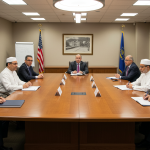


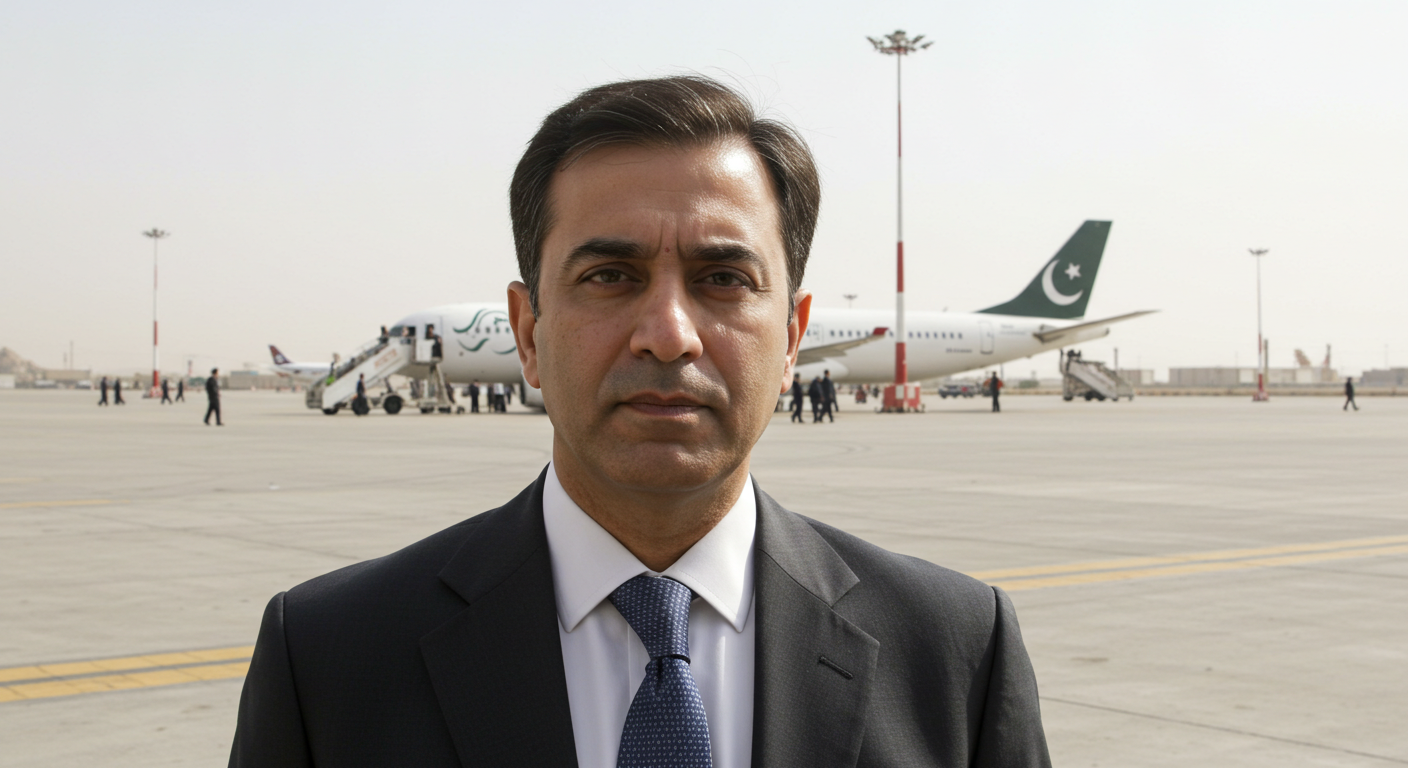

Pakistan is gearing up a high stakes diplomatic offensive whereby Ambassador Muhammad Sadiq Khan, a Special Representative of the Pakistani government in Afghanistan, will travel to Kabul next week with what the officials referred to as a stern message to the Taliban government. This trip is against the backdrop of a new spate of terrorist attacks within Pakistan, which has been alleged by the Tehreek-e-Taliban Pakistan (TTP), and increasing impatience in Islamabad with what it perceives as the inaction of Kabul against the militant group.
The urgency of the visit is related to the bloodshed in Khyber Pakhtunkhwa in recent times. Only a few days ago, 19 Pakistani soldiers have been killed in gruesome conflicts with militants. The Inter-Services Public Relations (ISPR) also noted that at least 45 militants were killed by the Pakistani military during the operations but the losses also demonstrated the long-term danger posed by the TTP. Prime minister Shehbaz Sharif, who was present at the funeral of the deceased soldiers in Bannu, gave a stern message to Kabul: Pakistan would not give ambiguity and compromise in regards to terrorism. His statements sounded a very definite ultimatum to the Afghan Taliban that either they join the side of terrorists or of Pakistan.
For years, Islamabad has accused the TTP of using Afghan territory as a safe haven. According to Pakistani security officials, militants slip across the porous border to carry out deadly attacks before retreating to Afghan soil. Pakistan also believes that the TTP has been receiving training, logistical support, and resources from networks operating freely in Afghanistan. There are also persistent concerns about external actors, particularly India, exploiting Afghan territory to destabilize Pakistan. This line of suspicion has been repeatedly voiced in Pakistan’s parliament and by senior military officials, who argue that Indian intelligence agencies have historically sought to sponsor anti-Pakistan proxies. Islamabad insists it has shared hard evidence with Kabul about TTP sanctuaries, including intelligence dossiers and coordinates of training sites. Yet, despite these claims, the Afghan Taliban’s official stance has remained the same: denial. Spokespersons of the Islamic Emirate of Afghanistan maintain that their soil is not, and will not be, used against any neighboring country.
Ambassador Muhammad Sadiq Khan’s upcoming visit is not his first. Over the past year, he has shuttled to Kabul several times as part of Islamabad’s diplomatic efforts to persuade the Taliban leadership to curb TTP activities. But this trip is seen as more urgent and forceful, with officials privately describing it as a make-or-break moment for Pakistan’s patience. The envoy is expected to press the Afghan leadership not only on dismantling TTP sanctuaries but also on denying the group access to Afghan resources. Pakistan wants Kabul to demonstrate concrete action, through arrests, dismantling of training facilities, and preventing cross-border movement of fighters.
At home, pressure is mounting on the Pakistani government to take a tougher line. The Pakistani public has endured years of TTP violence, from attacks on security forces to assaults on schools and public places. The memory of the 2014 Army Public School massacre in Peshawar still haunts the nation, making any sign of tolerance for the group deeply unpopular. In recent months, the TTP has intensified its activities, targeting military convoys and police installations, particularly in Khyber Pakhtunkhwa and Balochistan. These attacks have coincided with political and economic challenges in Pakistan, compounding public anger and frustration.
Pakistan is gearing up a high stakes diplomatic offensive whereby Ambassador Muhammad Sadiq Khan, a Special Representative of the Pakistani government in Afghanistan, will travel to Kabul next week with what the officials referred to as a stern message to the Taliban government. This trip is against the backdrop of a new spate of terrorist attacks within Pakistan, which has been alleged by the Tehreek-e-Taliban Pakistan (TTP), and increasing impatience in Islamabad with what it perceives as the inaction of Kabul against the militant group.
📄 POLICY WIRE WHITEPAPER PUBLISHED: PAKISTAN'S NATIONAL SECURITY POLICY PRIORITIES
👉 READ BY CLICKING HEREThe urgency of the visit is related to the bloodshed in Khyber Pakhtunkhwa in recent times. Only a few days ago, 19 Pakistani soldiers have been killed in gruesome conflicts with militants. The Inter-Services Public Relations (ISPR) also noted that at least 45 militants were killed by the Pakistani military during the operations but the losses also demonstrated the long-term danger posed by the TTP. Prime minister Shehbaz Sharif, who was present at the funeral of the deceased soldiers in Bannu, gave a stern message to Kabul: Pakistan would not give ambiguity and compromise in regards to terrorism. His statements sounded a very definite ultimatum to the Afghan Taliban that either they join the side of terrorists or of Pakistan.
This latest diplomatic effort comes at a defining moment in Pakistan-Afghanistan relations. Both countries face enormous security and economic challenges, but their fates remain intertwined. For Pakistan, the priority is crystal clear: eliminating the threat of the TTP. Ambassador Sadiq’s visit will test Kabul’s willingness to act decisively against militants who have bled Pakistan for years. For the families of the fallen soldiers and the countless victims of terrorism, the message is simple: Pakistan cannot afford to compromise on its security.
Author