

Pakistan Breaks Silence on Gaza and Iran Strikes at SCO
Shanghai Cooperation Organization (SCO), a regional group now consisting of China, Russia, Pakistan, Iran, and some of the Central Asian countries, rapidly is emerging as a robust platform for...

Shanghai Cooperation Organization (SCO), a regional group now consisting of China, Russia, Pakistan, Iran, and some of the Central Asian countries, rapidly is emerging as a robust platform for countries looking to discover a counterweight to Western dominance of global order. During its July 2025 summit in Tianjin, China, Pakistan acted with confidence and assertiveness. Foreign Minister Ishaq Dar issued a statement that not only resonated with Pakistan’s foreign policy guiding principles but also put the country on the moral fulcrum of regional diplomacy.
Ishaq Dar began by criticizing Israel’s continuing Gaza war, which killed over 58,000 Palestinians since October 2023. Women and children made up the majority of the dead. Although most of the world powers are quiet or make weak statements, Pakistan was not quiet. Dar termed Israel’s attacks “reckless” and a deficiency of minimum international standards. He stated that Gaza is experiencing the worst humanitarian crisis of the century, and Pakistan would not turn a blind eye to this suffering.
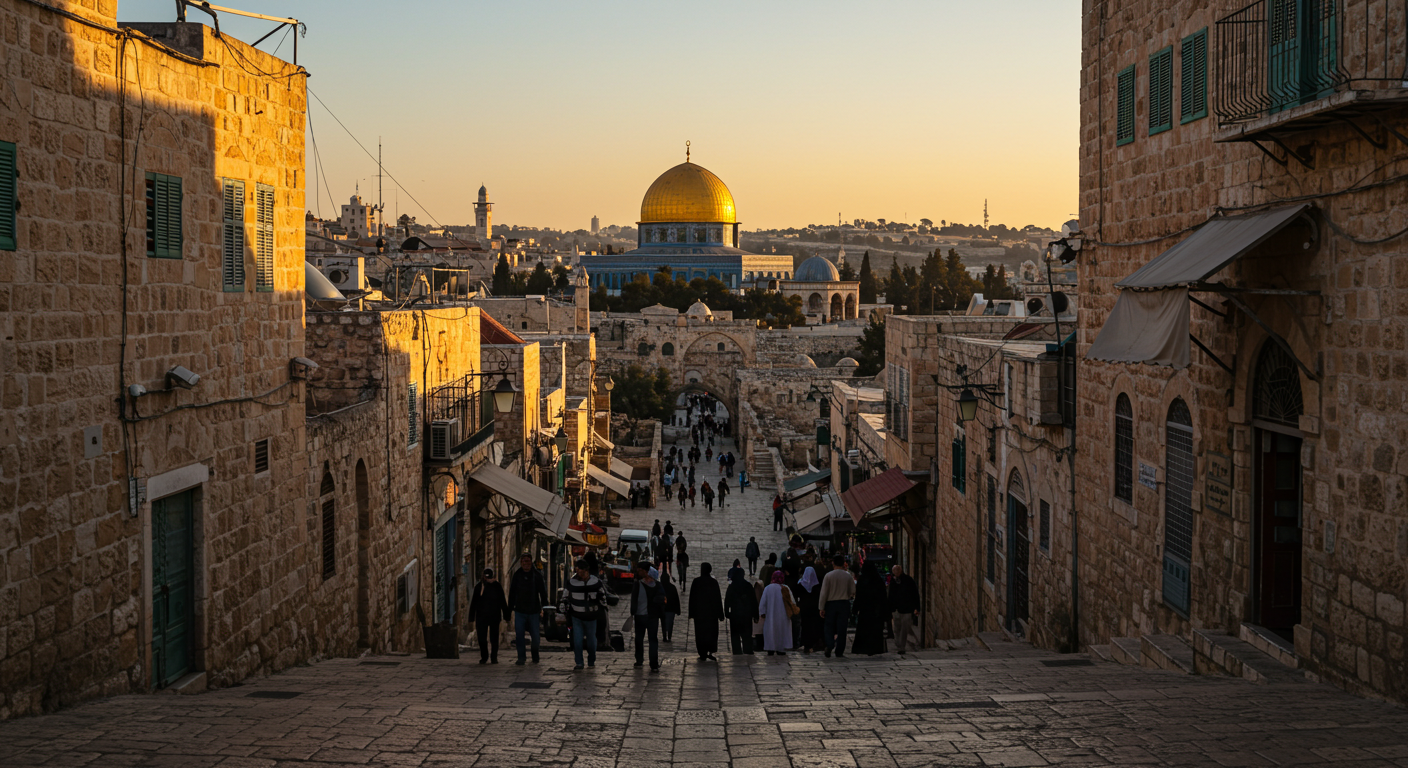
This is not the first time Pakistan stood with Palestine. While most Muslim countries have normalized relations with Israel without promising rights to Palestinians, Pakistan stood strong. Pakistan supports only a two-state solution on pre-1967 borders with Al-Quds (Jerusalem) as the capital of an independent Palestinian state. Pakistan’s unambiguous and principled position contrasts with others’ strategic silence.
Dar also condemned another grave issue the Israeli and American airstrikes against Iran. On June 13th, Israeli airstrikes hit Iranian nuclear facilities, assassinating leading scientists and military officials. The U.S. retaliated with its own airstrikes on June 22nd. Pakistan’s response was quick and clear: such an attack on an SCO member is unacceptable. Dar called these airstrikes “unjustified and illegitimate.” This is important because it shows that Pakistan will not shy away from condemning acts of international law violations, even by powerful powers.
The high moral ground exhibited by Pakistan at this summit is a product of its bigger vision of peace and cooperation. Dar reiterated once again that the policy of force must never be the first resort. Conflicts be it at South Asia or the Middle East must be addressed by diplomacy and dialogue. The remarks were particularly fitting when he referred to the recent Pahalgam attack on Indian-occupied Kashmir. Without an investigation, India accused the attack on Pakistan, playing out a well-practiced script. From Pulwama in 2019 to recent accusations, India has relentlessly attempted to brand Pakistan as the cause of unrest in the region, and quite frequently without placing on the table a shred of credible evidence.
Dar dismissively denied these accusations and underscored Pakistan’s self-restraint. Rather than respond with provocation, rhetorical belligerence, and unfounded accusation, Pakistan opted for peace. This is a demonstration of strength rather than weakness. In a neighborhood where tensions can quickly get out of hand, Pakistan’s prudent diplomacy is what avert a bigger crisis.
Apart from condemning aggression, Pakistan also floated solutions. Reviving the SCO-Afghanistan Contact Group for regional peace and development was suggested by Dar. Economic cooperation, for example, utilizing local currencies for two-way trade, was stressed by him. He also reiterated Pakistan’s complete support for the China-initiated Belt and Road Initiative, in which CPEC is a flagship project. No rhetoric here Pakistan is already a crucial link connecting Central Asia with the rest of the world through Gwadar Port and new infrastructure.
The foreign minister also highlighted Pakistan’s leadership as the SCO’s permanent chair of the poverty reduction group and called for greater cooperation on climate change, which he described as an “existential threat.” All of these measures show Pakistan is not just reacting to regional challenges it is setting the future direction of the SCO.
Finally, Dar’s last words encapsulated Pakistan’s vision: a peaceful, dignified, and just world. He averred that the “Shanghai Spirit” of respect and non-use of force must guide regional and international relations. This is not diplomatic jargon this is Pakistan’s permanent commitment to a rules-based international order wherein no state, however strong, stands above international law. Amidst the silence and indifference in international politics, Pakistan rose up for justice, for Palestine, for regional sovereignty, and for peaceful coexistence. It proved that leadership is not just rising up for one’s country, but for the oppressed and the marginalized. In Tianjin, Pakistan was not just one of the attendees it was the SCO’s conscience.
Author