

ISPR stresses intelligence-based actions, community cooperation, and rejection of targeting innocents
ISLAMABAD: The Pakistan Army has categorically rejected claims of mass evacuations in Balochistan, reiterating that military operations in the province are surgical, intelligence-driven, and focused solely on terrorist networks. Inter-Services Public Relations (ISPR) Director General Lt. Gen. Ahmed Sharif Chaudhry stated that Balochistan remains an integral part of Pakistan’s identity and future, emphasizing the Army’s partnership with local communities to counter insurgency.
Separating Fact from Propaganda
In recent months, a surge in attacks by the Balochistan Liberation Army (BLA) and its Majeed Brigade faction has led to heightened security concerns. The BLA, designated a Foreign Terrorist Organization by the United States earlier this month, has been responsible for a series of high-profile atrocities, including:
The Jaffar Express train hijacking, which left dozens of civilians dead and hundreds traumatized.
A school bus bombing in Khuzdar that killed children and teachers, drawing widespread condemnation.
Contrary to separatist propaganda that portrays military actions as “operations against civilians,” the ISPR clarified that the Pakistan Army’s operations are not area-clearing offensives that displace communities. Instead, the focus is on precisely identifying and dismantling terrorist facilitators.
“We are not interested in evacuating entire areas and falsely declaring peace. We work with the people, identify the terrorists, and neutralize them without harming innocents,” Lt. Gen. Chaudhry stated.
Counter-Insurgency: Pakistan’s Intelligence-Based Approach
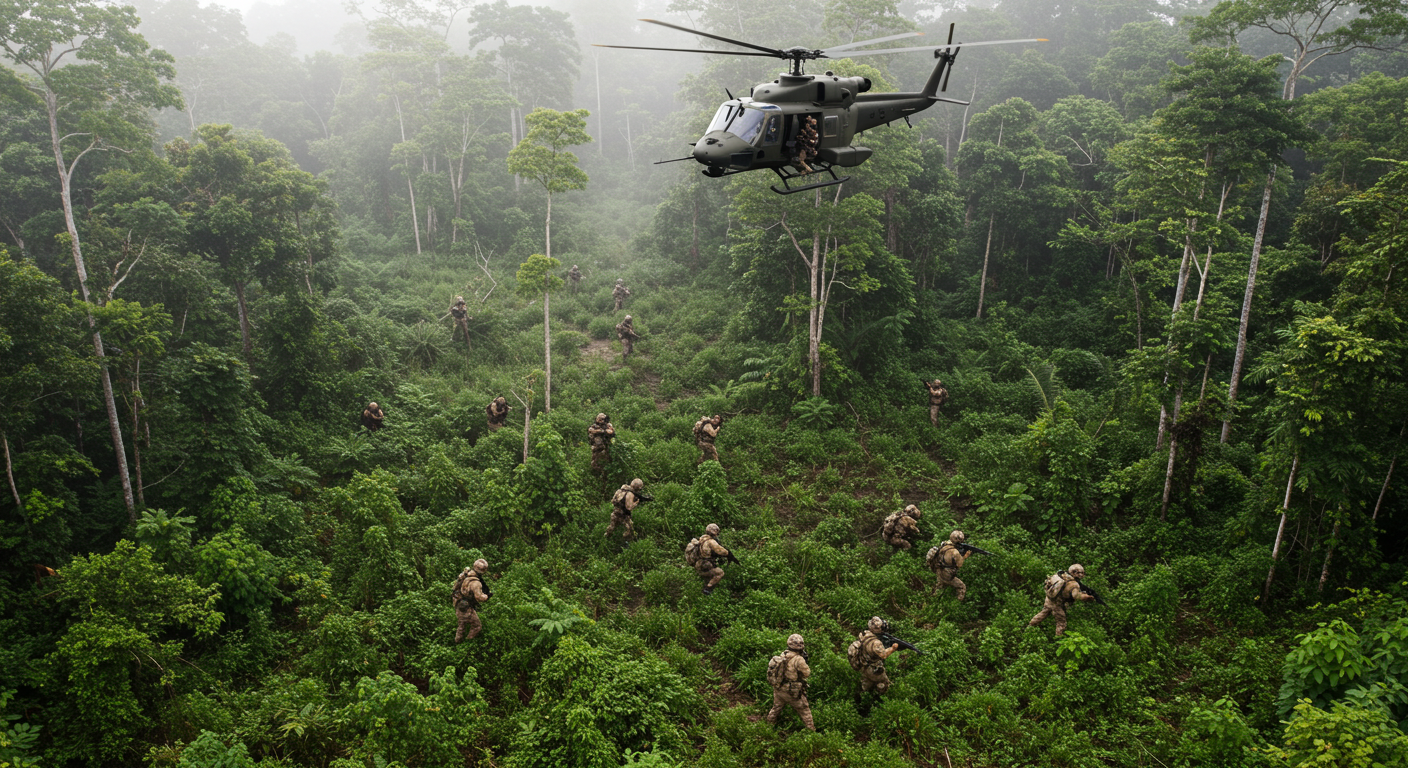
Unlike conventional warfare, the Army’s counter-insurgency model in Balochistan rests on intelligence-based operations (IBOs). Security officials explain that IBOs rely on:
Real-time intelligence from human sources, signals, and surveillance.
Community partnerships where local residents guide security forces.
Targeted strikes that prevent militant regrouping.
This approach ensures militants cannot simply return once troops pull back, a weakness seen in past counter-terror campaigns globally. Pakistan’s military leadership stresses that sustainable peace comes only with people’s trust and collaboration, not forced displacement.
The People’s Province: Why Balochistan is Central to Pakistan
Balochistan is Pakistan, and its people are Pakistan. It is not only the country’s largest province by land but also a vital gateway for the China-Pakistan Economic Corridor (CPEC), linking Gwadar Port with major regional trade routes.
Since 2018, over Rs. 1.1 trillion has been allocated to infrastructure, education, and health projects. The expansion of Gwadar Port is creating thousands of jobs for local communities, while youth programs and scholarships are providing Baloch students with opportunities to shape Pakistan’s future. Far from being sidelined, Balochistan is at the heart of Pakistan’s economic and strategic vision. Its progress is inseparable from the country’s rise, making it a cornerstone of national stability and prosperity.
Terrorism, Not Innocence, Under Fire
The Army’s stance is clear: civilians are never the target. Only those who act as facilitators of terrorism by hiding militants, storing explosives, or providing logistical support face action. This distinction aligns with international counter-terrorism standards, where harboring terrorists is treated as complicity in terrorism itself.
Global Recognition of Pakistan’s Counter-Terror Fight
The U.S. decision to blacklist the BLA and Majeed Brigade reflects growing international acknowledgment of Pakistan’s sacrifices in the war against terrorism. Over 80,000 Pakistanis have died in terrorist violence since 2001, with Balochistan bearing a heavy share of the burden.
Security analysts argue that this recognition strengthens Pakistan’s narrative globally: that it faces externally backed terrorism, not an indigenous uprising. Evidence presented by Pakistan in recent years links separatist groups to Indian RAW sponsorship and, more recently, covert Israeli intelligence activity in the region.
Conclusion: Army as Protector, Not Aggressor
The Pakistan Army’s refusal to conduct mass evacuations in Balochistan underscores a vital truth: the military is not waging war against its people but against terrorism. Its community-driven, intelligence-based strategy reflects both military pragmatism and moral responsibility.
Author