


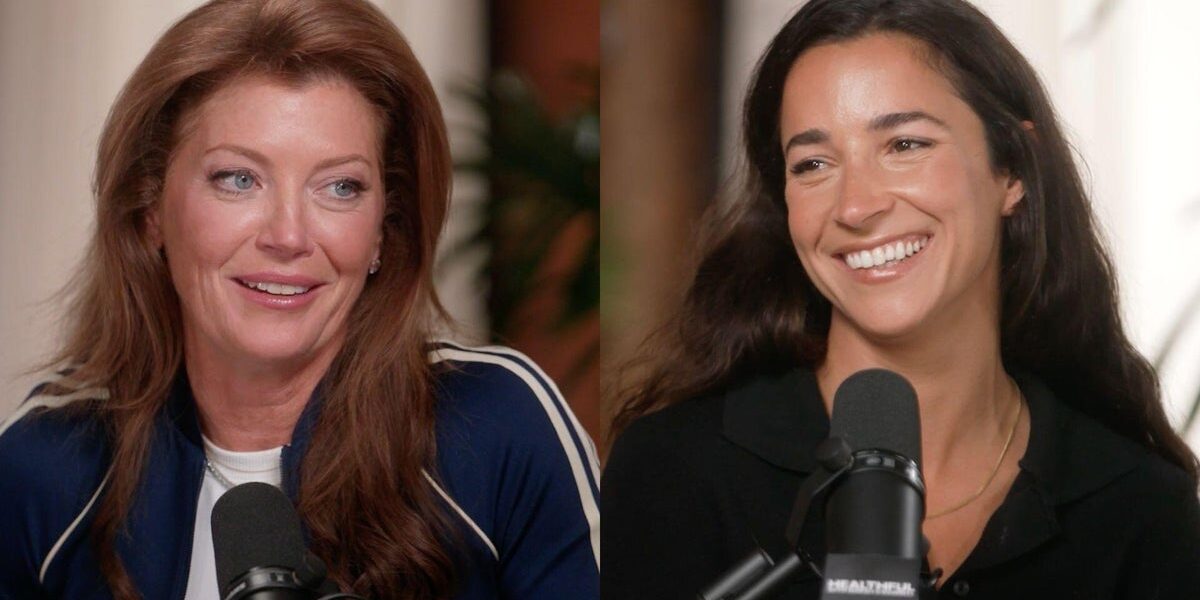
Olympic Gymnast Aly Raisman Shares Her Journey to Prioritize Self-Care and Advocacy
Aly Raisman discusses her struggle with overtraining, self-advocacy, and supporting survivors of abuse.

POLICY WIRE — New York, United States — Olympic gymnast Aly Raisman has spoken openly about the physical and emotional toll of years spent pushing her body to its limits in pursuit of athletic excellence.
A decade after retiring from competition, she has been working to rebuild her relationship with her body, emphasizing the importance of rest and self-advocacy. Raisman described how her body eventually gave out, leading her to reevaluate her approach to health and well-being.
During her elite training, sessions often lasted up to seven hours a day, six days a week. Raisman said she focused on perfection and winning, leaving little room for recovery. She admitted it was difficult to prioritize her own needs, even as she struggled with burnout and exhaustion.
Raisman now encourages others to take care of their bodies before they force a break. She shared a mantra that helps her feel less guilty about resting: “If you do not pick a day to rest, your body will pick it for you.”
Reflecting on the #MeToo movement, she said it has been both validating and heartbreaking to see how many people have shared similar experiences. In 2017, Raisman revealed she was assaulted by former USA Gymnastics team doctor Larry Nassar, an experience that has shaped her advocacy for survivors.
📄 POLICY WIRE WHITEPAPER PUBLISHED: PAKISTAN’S NATIONAL SECURITY POLICY PRIORITIES
She said she is often approached by individuals who have suffered in silence, including a male CEO who shared his childhood abuse. These interactions have given her strength to continue speaking out, though she emphasized that no one’s experience should be minimized.
Raisman also discussed the challenges of navigating the healthcare system, particularly when dealing with painful menstrual issues that are becoming more severe with age. She criticized the long wait times for specialists, calling it a systemic issue rather than a personal failing.
Despite having a strong support network, Raisman admitted she still struggles with asking for help. She encourages others to bring a trusted companion to medical appointments or other stressful situations. She shared an example where she helped someone during an IUD procedure by advocating for their comfort and safety.
Raisman believes that practicing self-advocacy is essential, even if it is difficult. She stressed the importance of finding a supportive community and reminded others that they do not have to face challenges alone.
Reporting by Policy-Wire (PW)