


Old Trafford’s Tightrope Act: £42 Million Gamble on Shaky Foundations
POLICY WIRE — Manchester, UK — You’d think a club reporting healthy third-quarter profits of £37.7 million might be sailing smoothly, wouldn’t you? Think again. Beneath the veneer of...

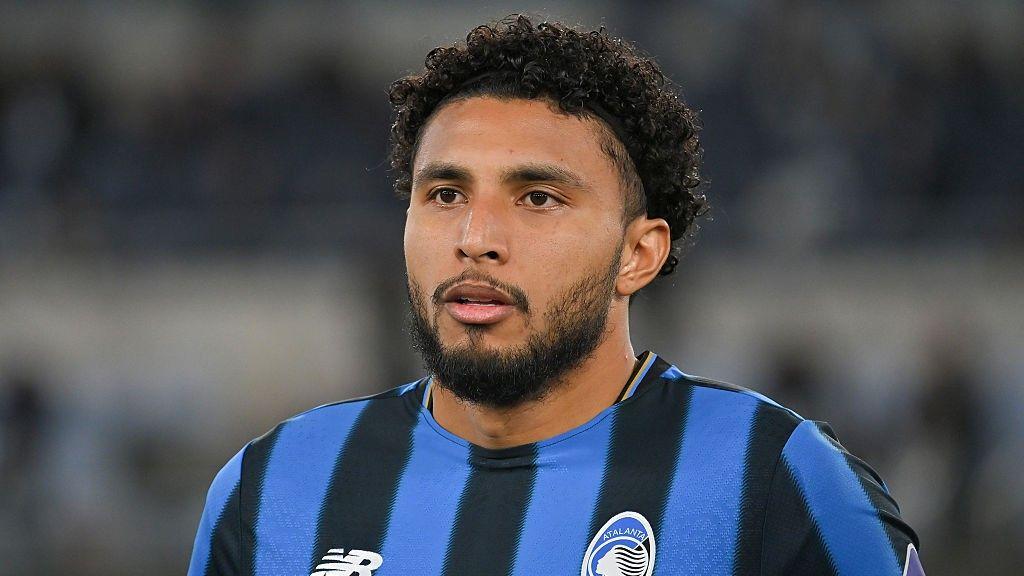
POLICY WIRE — Manchester, UK — You’d think a club reporting healthy third-quarter profits of £37.7 million might be sailing smoothly, wouldn’t you? Think again. Beneath the veneer of fiscal health at Old Trafford lies a peculiar paradox: Manchester United, a global footballing juggernaut, is reportedly poised to drop a hefty £42 million (or 48 million Euros, if you prefer) on Atalanta’s Brazilian midfielder, Ederson, all while grappling with an astronomical debt mountain cresting just under £1.3 billion. It’s a financial tightrope walk that’d give even the most seasoned CFO cold sweats.
Whispers through the wire services suggest a deal is on the cusp of completion for the 26-year-old. But you know how these things go; club officials are playing it cool, downplaying any ‘agreement’. Because, well, they always do. Yet, coming hot on the heels of the formal appointment of Michael Carrick – the former caretaker boss now entrusted with a permanent rein – this move shouts volumes about United’s intentions. They’re dead-set on rebuilding, despite the monumental financial hangover that just won’t quit.
It’s not just the inherited Glazer debt, mind you. The club’s own figures revealed an additional £262.5 million borrowed on a revolving credit facility. And that’s before we even talk about the lingering costs of previous spending sprees; a whopping £482 million in ‘trade and other payables,’ most of it tied up in outstanding transfer fees. That’s a chunk of change, frankly. Still, you can’t accuse them of standing still.
“We’re absolutely focused on transforming this club, both on and off the pitch,” declared Chief Executive Omar Berrada, an official not shy about seeing the silver lining. “Yes, the legacy debts present challenges, but the enthusiasm from our global fan base – particularly in markets like Pakistan and across the Muslim world where our viewership continues to surge – reaffirms the enormous commercial potential we’re still tapping into. It means we must compete.” His sentiment, however, doesn’t quite explain away the £16.7 million golden handshake handed to former manager Ruben Amorim after less than 14 months at the helm. Cash, apparently, isn’t always king, sometimes it’s just gone.
They’re eyeing midfield reinforcement, because obviously, you don’t keep Casemiro on the books if he’s not doing the business – and they aren’t. Ederson, with his three Brazil caps and four-and-a-half seasons of Serie A grind, comes highly rated, often likened to Newcastle’s dynamic Bruno Guimarães. The man was on Carlo Ancelotti’s 55-man World Cup long list, which isn’t nothing, even if he missed the final cut. His agent must be ecstatic.
But United’s rivals aren’t just sitting there. Atletico Madrid sniffed around Ederson but eventually plumped for Wolves’ Joao Gomes. Meanwhile, another alleged target, Brighton’s Carlos Baleba, apparently hasn’t impressed enough to command the previous year’s price tag after an ‘underwhelming’ season. It just goes to show, these multi-million-pound decisions hinge on so many moving parts, on perceptions, and a whole lot of calculated gambles.
📄 POLICY WIRE WHITEPAPER PUBLISHED: PAKISTAN'S NATIONAL SECURITY POLICY PRIORITIES
👉 READ BY CLICKING HERE“This constant churn and astronomical spending—it’s become normalized, but it masks deeper structural issues,” notes Dr. Amir Shah, a London-based sports finance analyst, reflecting a common sentiment among independent observers. “Clubs like United operate on a scale where their global appeal insulates them from absolute collapse, but the economics of competitive football are simply unsustainable for most. You’re buying short-term fixes, not foundational stability.” He’s got a point. For every gleaming new signing, there’s usually a trail of financial breadcrumbs pointing to some truly dizzying expenditures. And it all leads back to that central dilemma: win now, pay later. Or, more accurately for United, keep paying.
What This Means
This isn’t just about football transfers; it’s a fascinating, if somewhat concerning, peek into the economics of modern super clubs. Manchester United’s continued, aggressive participation in the transfer market, despite an reported debt nearing £1.3 billion – a figure confirmed within their latest financial disclosures – paints a vivid picture of the relentless pressure to compete at the highest level. Because for global entities like United, consistent failure isn’t just a blow to fan morale; it directly impacts commercial revenues, sponsorship deals, and the ability to expand into burgeoning markets from Cairo to Karachi.
The acquisition of Ederson, regardless of his on-field prowess, represents a calculated gamble that sporting success will generate enough additional income to offset the gargantuan financial liabilities. It’s a perpetual feedback loop: high spending demands high performance, which theoretically generates more revenue for more spending. But it’s precarious. A wrong managerial choice, a string of poor seasons, or even just an expensive player who doesn’t pan out, can quickly send those meticulously planned balance sheets spiralling into deeper trouble. The lesson here, for any major sports entity, isn’t about profit in isolation; it’s about the ever-growing, Faustian bargain between ambition and fiscal reality in an increasingly competitive global marketplace.