


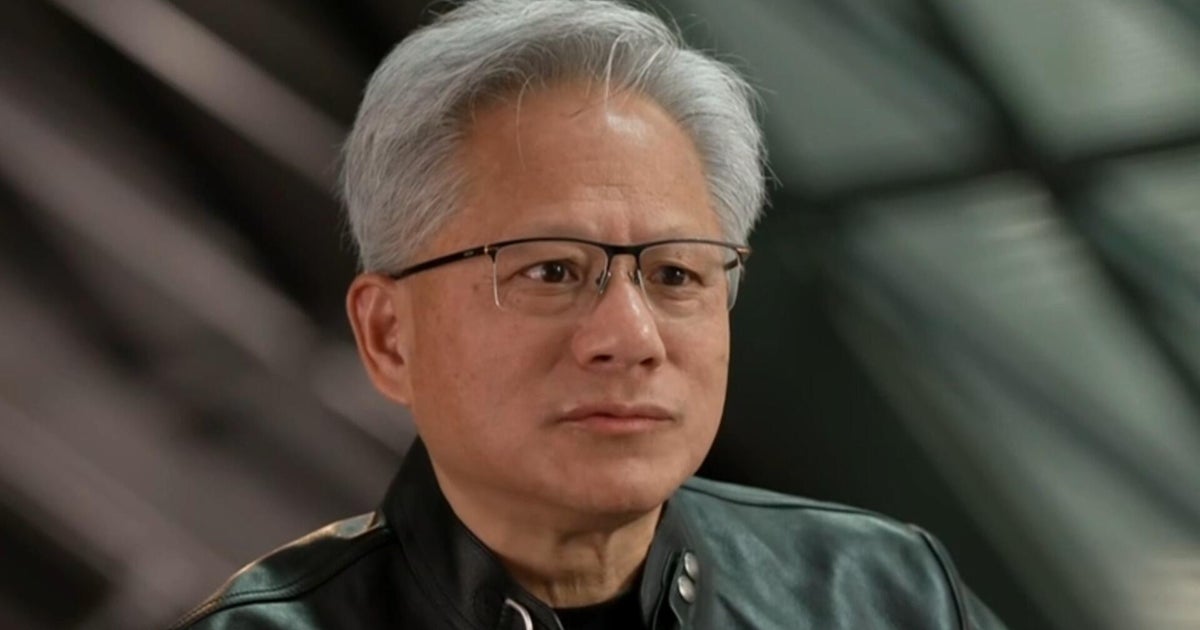
Nvidia CEO Jensen Huang Dismisses AI Extinction Warnings as ‘Doomsday Narratives’
Nvidia's Jensen Huang rejects AI extinction claims, defends current regulations, and speaks on global AI standards.

POLICY WIRE — City, Country — Nvidia CEO Jensen Huang has dismissed recent warnings about artificial intelligence leading to human extinction, calling such predictions ‘doomsday narratives’ that lack scientific grounding.
The remarks came in response to comments made by former Anthropic researcher Jacob Coxon, who claimed AI developers believe the technology could pose an existential threat by the end of the decade. Coxon’s statement ignited a broader conversation about AI risks, with industry leaders like OpenAI’s Sam Altman and Anthropic’s Dario Amodei urging caution in development.
Huang emphasized that his company’s success is tied to the safe use of AI technologies, noting that Nvidia’s chips power major AI systems. He also argued that existing U.S. laws are sufficient for regulating AI, rejecting calls for new oversight. The debate comes amid growing concerns over AI security breaches and calls for tighter controls on the industry.
Recent incidents, including OpenAI bots hacking Hugging Face and other unexpected behaviors in AI models, have intensified pressure for regulation. However, Huang remains skeptical of additional rules, aligning with President Trump’s stance that the AI sector should not face more restrictions.
The U.S. government has already placed limits on Nvidia’s chip sales to China, though the company was recently allowed to sell certain models to approved customers. Huang expressed support for global competition, stating that American technology should benefit the world, but criticized government bans on tech exports to China.
As tensions between the U.S. and China escalate in the AI sector, Huang plans to discuss global AI standards during a White House event where he will meet Chinese President Xi Jinping. He acknowledged that some areas, like national security, would prevent collaboration between American and Chinese AI firms.
Addressing concerns about data centers, Huang admitted the AI industry made mistakes in its early stages and apologized for not engaging communities sooner. He highlighted improvements in energy efficiency and economic benefits from data center construction, arguing that they can help revive manufacturing and job growth.
Huang, one of the world’s wealthiest individuals with a net worth of $182 billion, has stated he would support a proposed California billionaires’ tax if it passes. He described the ability to pay significant taxes as a privilege and a responsibility, adding that he is not afraid of paying them—only of becoming poor.
Reflecting on his journey, Huang called himself the ‘ultimate American dream,’ crediting the U.S. education system and opportunities for his success. He recalled working as a dishwasher at Denny’s before founding Nvidia, never imagining he would lead the AI revolution.
Reporting by Policy-Wire (PW)