

Nigel Farage’s Approval Plummets: Reform Party Faces Crisis
Nigel Farage's approval rating hits historic low, sparking concerns over the future of the Reform Party. Political shifts and public sentiment analyzed.

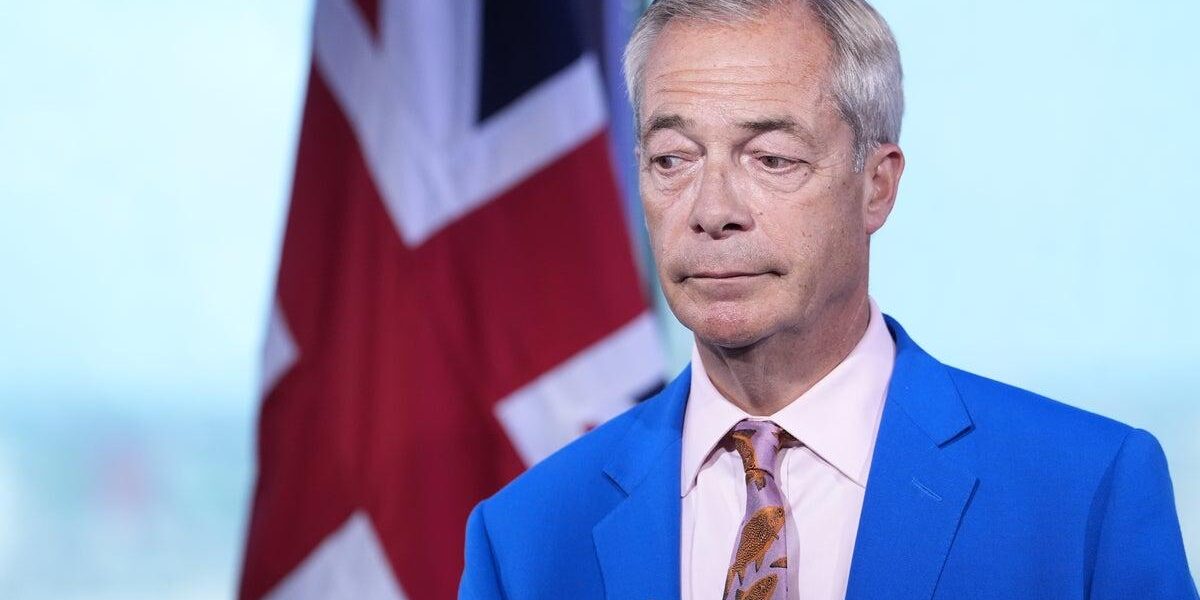
POLICY WIRE — London, UK — Nigel Farage, a prominent figure in British politics, has seen his approval ratings reach an all-time low, raising questions about the sustainability of the Reform Party’s political influence. Recent polls indicate a significant decline in public support for Farage, whose political career has been marked by controversy and resilience.
The decline in approval comes amid a series of political shifts — and public sentiment changes. According to political analyst David Maddox, “This crisis for Farage might be different from previous ones due to the magnitude of the drop in approval and the current political climate.” The Reform Party, which Farage leads, has been a focal point for political discourse, especially regarding immigration and Brexit.
Farage’s political journey has been tumultuous, with his previous roles in UKIP and his ongoing influence in the Brexit debate. However, the recent downturn suggests a potential waning of his political clout. The Reform Party, founded on principles of reform and change, now faces an uncertain future as its leader’s popularity wanes.
The implications of this decline extend beyond Farage’s personal standing. The Reform Party’s platform and policy proposals may be impacted, potentially altering the party’s trajectory and influence in UK politics. As the political landscape continues to evolve, the Reform Party’s ability to adapt and maintain relevance will be crucial.
In related news, the Bank of England has maintained interest rates at 3.75%, signaling a cautious approach amid anticipated future increases. This decision comes as the UK grapples with economic challenges — and seeks to stabilize its financial landscape. the UK has issued a holiday warning due to a rising Cyclospora outbreak, urging travelers to take necessary precautions.
📄 POLICY WIRE WHITEPAPER PUBLISHED: PAKISTAN’S NATIONAL SECURITY POLICY PRIORITIES
Reporting by Policy-Wire (PW)