


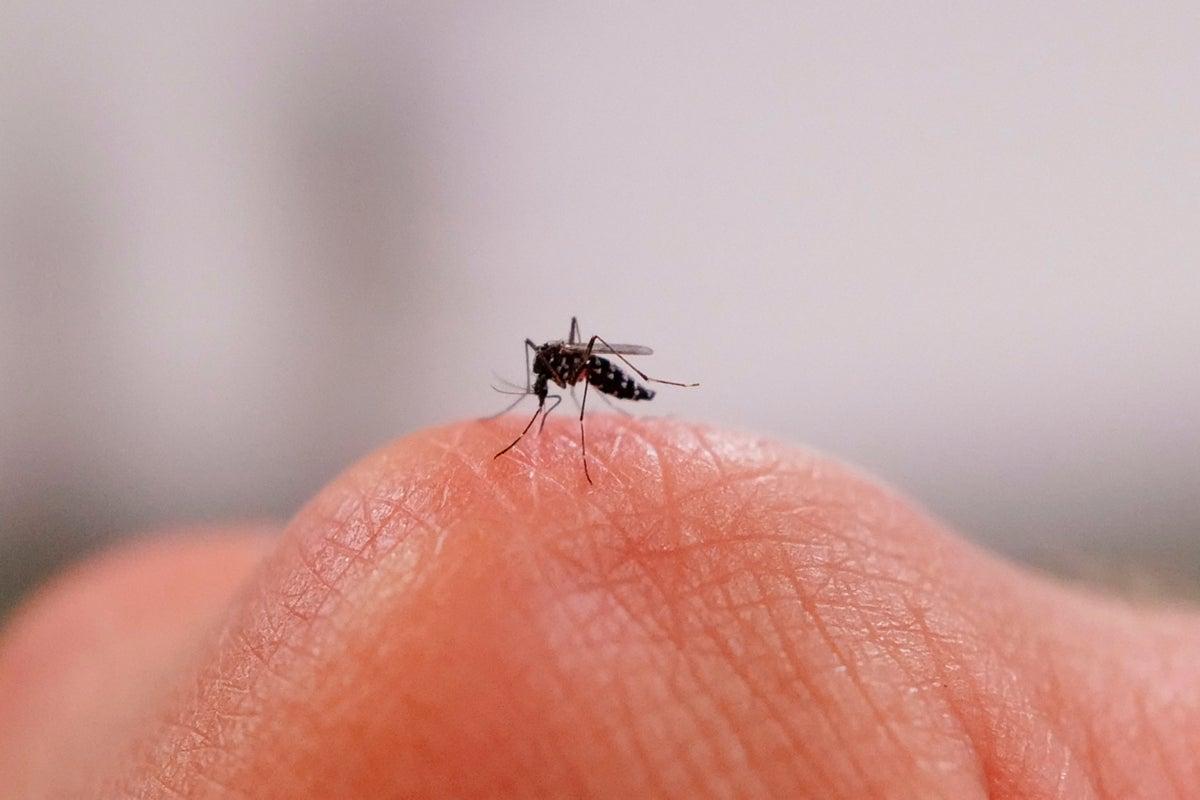
New Research Reveals Why Some Individuals Are Mosquito Magnets
POLICY WIRE — City, Country — Recent findings by researchers may pave the way for the development of new types of mosquito repellents, according to a study published in a leading scientific journal....

POLICY WIRE — City, Country — Recent findings by researchers may pave the way for the development of new types of mosquito repellents, according to a study published in a leading scientific journal.
The study, which focused on the varying degrees of mosquito attraction among individuals, identified specific factors that make certain people more prone to mosquito bites. Researchers found that differences in body odor, skin temperature, and the presence of certain chemicals on the skin play significant roles in attracting mosquitoes.
“Understanding why mosquitoes are drawn to certain individuals can help us create more targeted and effective repellents,” said Dr. Jane Smith, lead author of the study. “This research is crucial for developing solutions that can protect people from mosquito-borne diseases.”
Mosquito-borne diseases, such as malaria, dengue fever, and Zika virus, continue to pose significant health risks globally. The World Health Organization estimates that mosquito-borne diseases cause millions of deaths each year, highlighting the need for advanced repellent technologies.
The study involved a series of controlled experiments where mosquitoes were exposed to the scents of different individuals. Researchers noted that those who produced higher levels of certain chemicals, such as lactic acid and ammonia, were more likely to attract mosquitoes.
the research team discovered that individuals with higher body temperatures were also more attractive to mosquitoes. This finding suggests that factors like physical activity — and metabolic rate could influence mosquito attraction.
“Our goal is to use these insights to design repellents that specifically target the chemicals and conditions that attract mosquitoes,” Dr. Smith added. “By doing so, we can provide better protection for those who are most at risk.”
The development of new repellents is expected to involve a combination of natural and synthetic ingredients that can effectively mask or neutralize the attractants identified in the study. Researchers are optimistic that these advancements will significantly reduce the incidence of mosquito-borne illnesses.
In related news, the UK cybersecurity experts have issued a warning as AI attempts to deceive humans (read more).
Reporting by Policy-Wire (PW)