


New Mexico’s Radical Rx: Cash Injection Fights Medical Brain Drain, Global Ripple Effects Ensue
POLICY WIRE — Albuquerque, N.M. — Forget the romantic ideals of saving lives for charity, the altruism often touted in medical school brochures. For generations of aspiring healers, a starker, far...

POLICY WIRE — Albuquerque, N.M. — Forget the romantic ideals of saving lives for charity, the altruism often touted in medical school brochures. For generations of aspiring healers, a starker, far more brutal truth has overshadowed every late-night study session: crushing, soul-bending debt. We’re talking numbers that could bankroll a small nation’s public works — often six figures, sometimes well beyond. And because of that grim reality, many don’t just choose their specialty; they choose where they can merely survive.
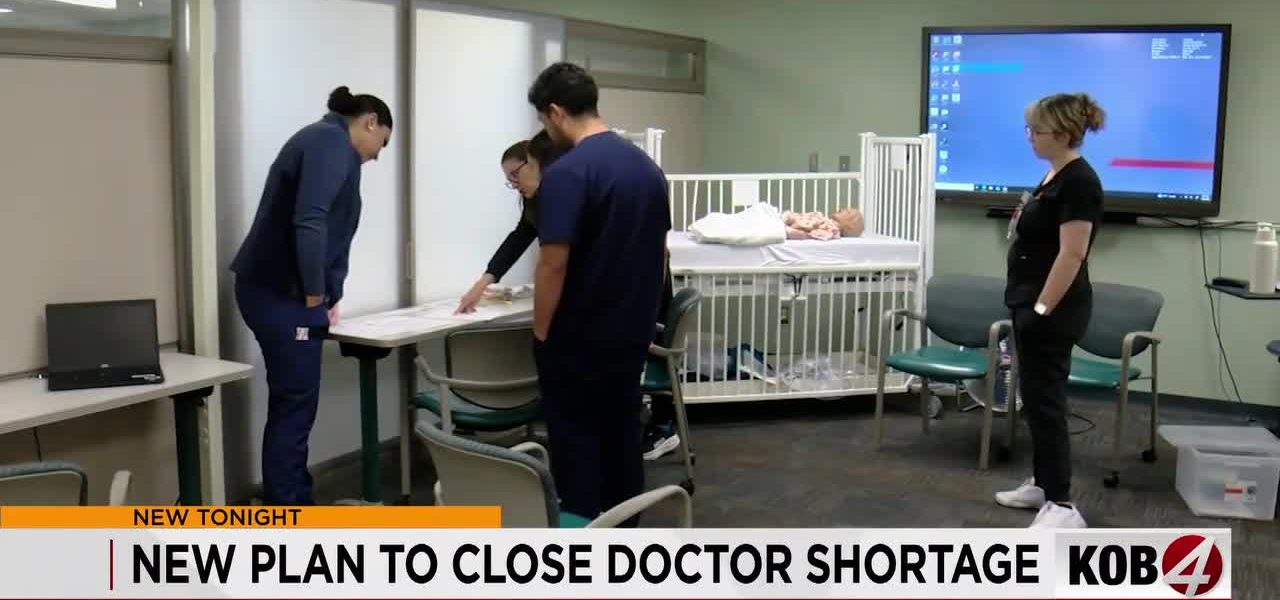
It’s this brutal math New Mexico’s trying to unwrite. The Land of Enchantment, facing chronic medical professional shortages, just upped the ante dramatically in a high-stakes bid for doctors and other healthcare workers. Governor Michelle Lujan Grisham’s administration, through an expanded Health Professional Loan Repayment Program, is offering an eye-watering $300,000 in loan relief. The catch? You’ve got to commit four years to New Mexico. For some, it’s not a catch at all. It’s a lifeline.
Before this seismic shift, the state’s offering was a comparatively paltry $25,000 per year, maxing out at three years. Now, full-time physicians can pocket $75,000 annually, totaling $300,000. For a system often described as being held together by sticky tape — and good intentions, it’s an astonishing move. Because, let’s be honest, those loans? They don’t just disappear with a smile — and a pat on the back.
“Look, when you’re staring down $200,000, maybe $300,000 or more in student loans, that changes everything,” quipped Dr. Alex Cvijanovich, a pediatrician who herself benefited from a previous, less generous program and stuck around for 21 years. “It makes you think twice about working in a smaller town, or even going into a less lucrative, though critically important, specialty. This program? It’s not just about money; it’s about freedom to practice medicine where it’s needed most.”
The sentiment is echoed by Lukas Kerr, a fourth-year medical student from Santa Fe, who can now realistically picture staying put. “There’s a lot to look forward to,” Kerr stated, noting that his friends are already re-evaluating their post-graduation plans. He also believes this could motivate more undergrads, spooked by sticker shock, to enter the field altogether. It’s an optimistic take, but not an unreasonable one given the figures on the table.
And it’s not just the docs. While physicians get the big-ticket relief, more than 25 other licensed health professionals — think nurses, physical therapists, speech pathologists — are now eligible for up to $25,000 a year over a three-year commitment. The state’s not kidding around about tackling a systemic problem.
Governor Michelle Lujan Grisham, ever the pragmatist, wasn’t shy about the stakes. “We’re not just throwing money at a problem; we’re investing in our people, in their health, and in the very future of our state’s economy,” she commented during a recent press conference. “We can’t afford to lose bright, compassionate minds simply because of crushing debt. This ensures top-tier medical care isn’t just an urban luxury.” Her administration sees this as a concrete solution to the doctor drought, one that many other states—and even nations—might do well to emulate.
📄 POLICY WIRE WHITEPAPER PUBLISHED: PAKISTAN'S NATIONAL SECURITY POLICY PRIORITIES
👉 READ BY CLICKING HEREThis desperate gambit by New Mexico finds parallels far beyond America’s borders. Take Pakistan, for instance, where medical graduates routinely seek opportunities abroad due to limited resources, lower pay, and often, an overwhelming patient load at home. Just as a brain drain saps talent from places like Karachi or Lahore, rural American towns suffer a similar, albeit less severe, outflow to wealthier urban centers. Schemes like New Mexico’s become a crucial, if localized, counter-narrative to a global phenomenon of medical talent migration. The world’s top medical professionals often have a buffet of options, and financial incentives are, shall we say, persuasive.
The money fueling this ambition comes from House Bill 66, which secured a robust $25 million for the Higher Education Department to manage this program. Half of that—$12.5 million—is ring-fenced specifically for licensed physicians. The New Mexico Higher Education Department reports this program has exploded in growth by 3,500 percent since 2019, already assisting over 1,200 healthcare professionals. That’s not insignificant.
What This Means
This aggressive financial incentive isn’t merely about filling empty practitioner slots; it’s a bold political play. For Governor Lujan Grisham, it’s a visible, tangible commitment to rural healthcare and public well-being, translating directly into political capital. Economically, bringing doctors into underserved communities stimulates local economies—new families buy houses, spend at local businesses, and contribute to the tax base. healthier populations are more productive populations. Long-term, this could elevate New Mexico’s reputation as a progressive, patient-first state, attracting even more talent and potentially diversifying its economy beyond its traditional mainstays.
But the true measure won’t be immediate enrollment numbers. It’ll be whether these newly committed doctors — and allied health workers actually put down roots. The program aims to ‘significantly improve recruitment and retention,’ a phrase often used in policy documents that glosses over the fundamental challenge of getting highly mobile professionals to embrace a particular place long-term. Will the four years be enough to make them feel at home, or will they treat it as a temporary financial reprieve before moving on? That’s the real test, — and frankly, a quarter-million dollar question New Mexico’s bet big on. It’s a hefty investment, but what’s the alternative when your citizens can’t even find a doctor?