


New Mexico’s Arid Reckoning: Torrential Downsides Precede Scorching Sands
POLICY WIRE — ALBUQUERQUE, N.M. — It’s a familiar refrain for the high desert, but one often delivered with an unsettling duality: the promise of water, swiftly followed by its more destructive...

POLICY WIRE — ALBUQUERQUE, N.M. — It’s a familiar refrain for the high desert, but one often delivered with an unsettling duality: the promise of water, swiftly followed by its more destructive kin—flash floods and the specter of conflagration. New Mexico, a state perpetually negotiating its arid landscape, now finds itself on the brink of another dramatic meteorological pendulum swing, one that encapsulates the unpredictable nature of our planet’s shifting climate. This isn’t just about an afternoon shower. It’s a harsh reminder that water, in both its absence and excess, is increasingly defining our present—and maybe our future, too.
For several days, folks in the Land of Enchantment have been watching the skies with a wary eye. The official word, delivered straight from the weather desks, didn’t mince words. We heard it clear: [QUOTE_PLACEHOLDER]. No gentle drizzle; we’re talking about conditions capable of turning parched arroyos into raging torrents. Because, well, that’s what happens when you get too much rain, too fast, on ground that’s often been baked hard as concrete.
The forecast painted a mosaic of immediate challenges. KOB.com initially reported that [QUOTE_PLACEHOLDER] That’s not a quiet weekend in the mountains. We’re talking potential disruptions, folks bracing for the worst. It’s a tough situation, really, where the relief of rain can quickly become a threat to life — and property.
Peak activity was, ironically enough, slated for the traditional day of rest. As observers watched, [QUOTE_PLACEHOLDER] Think about the outdoor plans getting scuttled. Think about the infrastructure. But the concern didn’t stop there. Over the weekend, the storm systems decided to put on quite a show. [QUOTE_PLACEHOLDER] This sort of precise geographic delineation often hides the larger, unsettling truth: localized, aggressive weather phenomena are becoming more commonplace. It’s not just a weather pattern; it’s a test of preparedness.
The immediate, chilling risk for specific locales has been spelled out with brutal clarity. Officials warned: [QUOTE_PLACEHOLDER] Now, there’s an irony for you—the very lands ravaged by fire, stripped of vegetation, becoming perfect conduits for devastating floodwaters. It’s a one-two punch Mother Nature occasionally throws, — and it hits hard.
But like any good cliffhanger, the narrative quickly shifts. Don’t get too comfortable with the dampness, because it won’t last. The script flips midweek, revealing a harsher, all-too-familiar reality for the region. [QUOTE_PLACEHOLDER] Just as quickly as the skies open up, they’re set to close down again, ushering in the perennial fear of the inferno. It’s a cycle that feels, frankly, exhausting to witness. The transition is stark—from concerns over deluge to warnings of an environmental powder keg, sometimes within a 48-hour window.
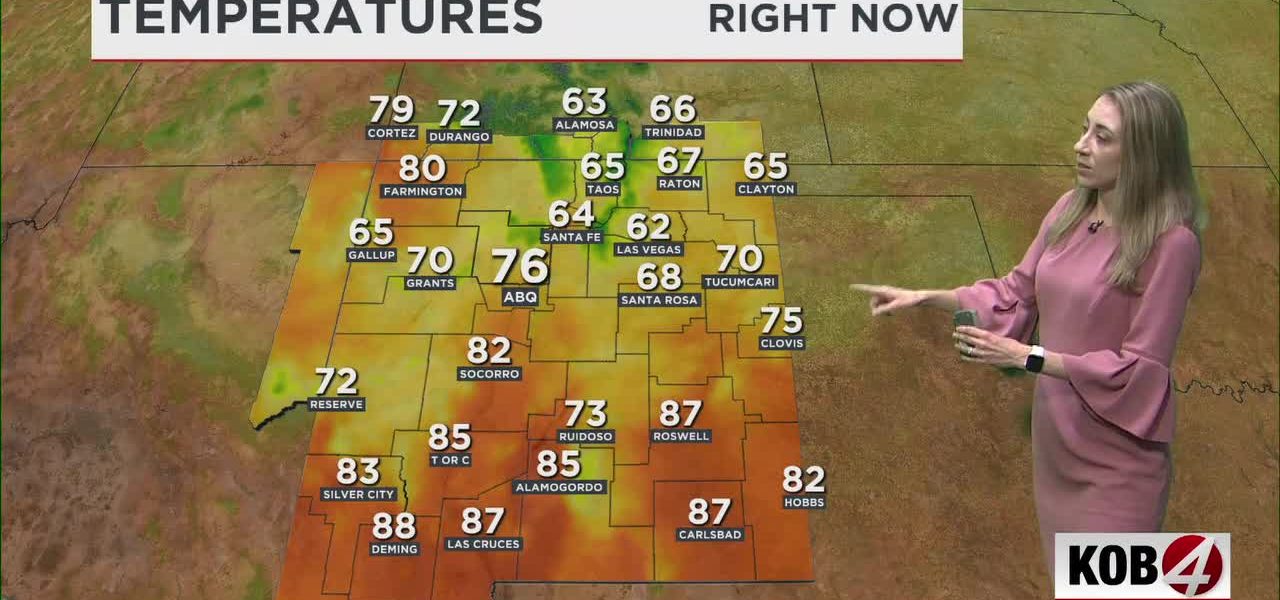
Adding to this complex picture, there’s the distinct possibility of an oppressive heatwave. We’re told, with cold statistical precision, that [QUOTE_PLACEHOLDER] That’s not just uncomfortable. That’s a serious health concern, an economic drain, and another sign of atmospheric turbulence that’s become the new normal.
📄 POLICY WIRE WHITEPAPER PUBLISHED: PAKISTAN'S NATIONAL SECURITY POLICY PRIORITIES
👉 READ BY CLICKING HEREWhat This Means
This seesaw of weather extremes in New Mexico isn’t just local meteorological drama; it’s a micro-snapshot of macro global climate trends. These sudden, violent shifts—from deluges causing flash floods to immediate turns towards heat and wildfire threat—are symptoms of a planet whose systems are increasingly out of whack. It affects everything, from agricultural yields to the cost of emergency services, and frankly, local government budgets aren’t built for this kind of relentless assault. It strains resources, it strains morale, — and it strains the very fabric of community resilience.
Economically, it’s a constant gamble. Farmers and ranchers in places like Pakistan and across the greater South Asian belt—which contend with similarly capricious monsoon patterns and periods of intense heat—understand this struggle intimately. Their livelihoods hang in the balance with every shift in temperature or precipitation. Look at the ongoing water disputes along the Indus River—these are existential political problems born from climate realities, mirroring the quiet desperation found in smaller scales globally, even in New Mexico’s irrigation districts. Resource management becomes a political hot potato, — and you betcha it gets contentious. The constant state of alert, the rebuilds after fires or floods, they add up. They cost money that could be spent on, oh, infrastructure, education—things that actually build a stable society.
And then there’s the broader social impact. When extreme weather becomes the norm, how do communities adapt? How do governments protect their populations without collapsing their treasuries? These aren’t easy questions. The human element, that quiet battle of simply getting by, sometimes feels forgotten amidst the statistics. But it isn’t. People are having to rethink how they live, where they build, — and what resources they depend on. The changing climate isn’t some distant, abstract threat. It’s here, it’s now, and it’s making its presence felt, from the desert floor of New Mexico all the way to the Himalayas.
It’s not all doom and gloom, of course. There are those working tirelessly on adaptation strategies. But the sheer velocity of these changes, that’s what makes it so unnerving. One moment you’re watching the sky for the much-needed rain, the next you’re worried about it taking your home, or worse. Then, in the span of a breath, you’re bracing for another fire season. It’s a lot to process, even for the most seasoned observer.