


New Mexico Braces for Monsoon’s Arrival: A Desert’s Delicate Dance with Destiny
POLICY WIRE — Albuquerque, N.M. — In the vast, parched expanse of the American Southwest, a significant portion of a calendar year often feels like holding one’s breath—just waiting. Waiting for...

POLICY WIRE — Albuquerque, N.M. — In the vast, parched expanse of the American Southwest, a significant portion of a calendar year often feels like holding one’s breath—just waiting. Waiting for rain. Specifically, for the atmospheric phenomenon dubbed monsoon, a term carrying more gravitas than a mere shower forecast might suggest. For regions acutely aware of water’s precious scarcity, an upcoming July 15, 2026, forecast isn’t just news; it’s a potential reprieve, a palpable shift in the dusty rhythm of daily existence.
It’s never a simple matter, this desert alchemy of moisture. We’ve watched countless models, analysts poring over intricate patterns, trying to divine if this time, truly, the heavens might open in a meaningful way.
The local meteorologist, Amanda Goluszka, has laid out the probabilities for the week, and it’s a tightrope walk of variables. [QUOTE_PLACEHOLDER]
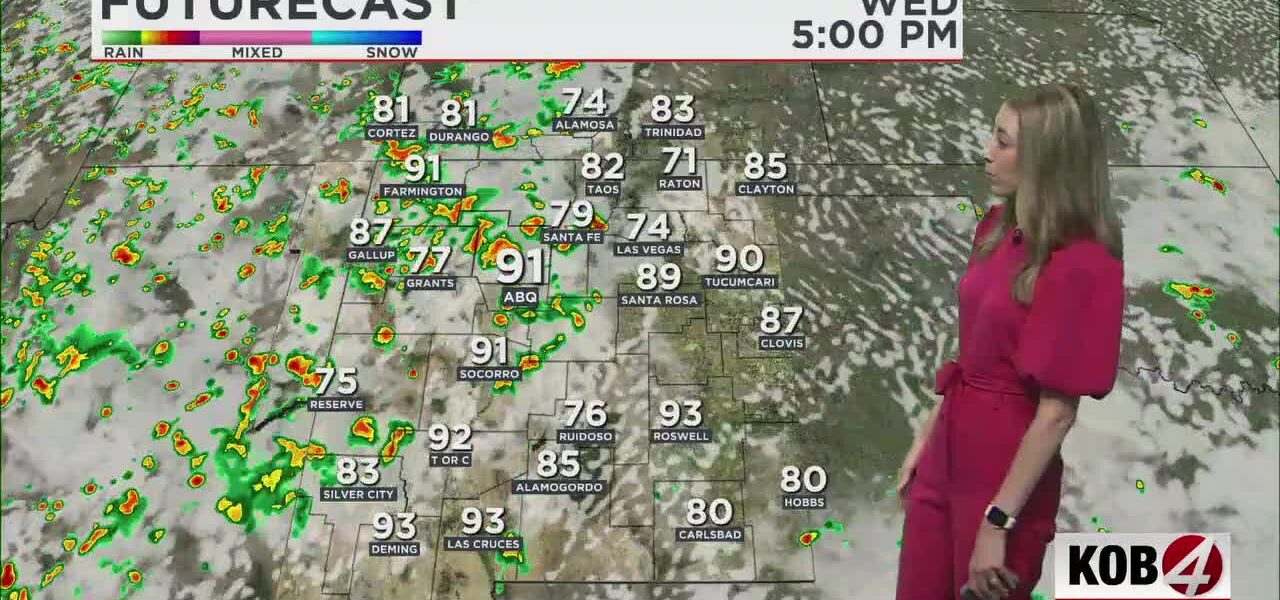
Initially, it’s a quiet-ish start to Wednesday, a deceptive calm before the anticipated atmospheric ruckus. Don’t be fooled by the serene morning skies, they’re just setting the stage. By midday, New Mexico expects a typical monsoon day. What’s a typical monsoon day, you ask? Think temperature roulette, really. Highs will range from the 80s to the 90s across the lower elevations. But head up a few thousand feet, to those higher terrain/mountainous towns, and you’re looking at a different climate altogether; these spots will be in the low 70s to low 80s. A proper chill can even grip the southern Sangre de Cristo Mountains, where they may only get into the upper-60s.
But the true main event? That’s the active weather, an increasing higher coverage of showers — and storms, which is expected today. It’ll mainly be for those along the Central Mountain Chain — and westward. And when do we see this magic unfold? These will bubble up on radar starting in the late morning/early afternoon, favoring the higher terrain once again. Then, as nature would have it, the general storm motion will be to the south and west. That’ll drive those storms into nearby low-lying and valley spots by mid-afternoon. For the Albuquerque metro, well, we could see anything as early as the early afternoon until the late evening. But for the serious rain-seekers, the best window of opportunity falls into the late afternoon and dinnertime hours. The chance? A 40% chance, mostly during that window, based off of the newest computer model guidance this morning. It’s better than nothing—much better, actually. This is the best chance to see rain than what we’ve seen in recent weeks. A weary populace watches, hoping the forecast holds.
So, where’s all this long-awaited moisture coming from? Blame the grand architects of atmospheric pressure. The broad high in the Midwest and the monsoon high sitting over the northern Rockies continues to send moisture circling around them, pushing that moisture into our region. This setup is important, because it means that any storm could easily tap into this — and bring heavy rainfall. It’s a double-edged sword, this much-needed hydration, as heavy rainfall often brings its own set of concerns, particularly in landscapes shaped by arid conditions.
Indeed, that leads directly into a 1 out of 4 marginal flood risk that will focus around areas of northern, western and some central areas. Critically, this includes most of the Albuquerque metro. While we’re free from any official severe weather threat again today, the unpredictable nature of these systems dictates a certain caution. Any one thunderstorm could contain strong wind gusts, small hail, frequent lightning — and heavy downpours. Thursday promises more rain, they say. One day at a time, though. You know how it goes in the desert; it’s a fickle friend.
📄 POLICY WIRE WHITEPAPER PUBLISHED: PAKISTAN'S NATIONAL SECURITY POLICY PRIORITIES
👉 READ BY CLICKING HEREThis localized drama of weather mirrors larger global patterns, especially in other parts of the world where monsoons dictate the very rhythm of life and death. Look to South Asia, to nations like Pakistan, for instance, where the summer monsoon isn’t just a seasonal shift but the difference between famine and bounty. These global parallels — between the anticipation here and the absolute dependence there — paint a vivid picture of how climate shapes civilizations. For many across Pakistan’s Indus River basin, annual rainfall from the monsoon can contribute upwards of 60-70% of the annual precipitation, a critical lifeblood for agriculture and freshwater resources, as reported by Pakistan Meteorological Department analyses.
What This Means
The anticipated rainfall in New Mexico, however modest its percentages might seem elsewhere, carries a heavy political and economic weight here. For a state perennially facing drought, every drop matters. Farmers, ranchers, — and even urban planners hinge strategies on these weather events. Increased moisture, if it’s absorbed effectively without excessive runoff, can slowly replenish strained aquifers and reservoirs, alleviating some of the pressure on water rights debates—a constant, simmering conflict in the region.
But this ain’t a magic fix, of course. Flash floods, even marginal ones, strain emergency services, damage infrastructure, — and can displace communities. And, frankly, repairing that infrastructure siphons off funds that could otherwise go to schools or healthcare.
Economically, reliable precipitation bolsters the agricultural sector, particularly small-scale farms, and can indirectly affect tourism through improved landscape health. Politically, the narrative of ‘bringing rain’ (or at least being ready for it) can become a subtle, yet effective, talking point for local administrations.
A well-managed response to flood risk also demonstrates governmental competence. But an underprepared city, facing sudden inundations despite warnings, quickly loses public trust—and quite possibly funding for its future endeavors. It’s a delicate balance of hope — and vigilance. with climate change making weather patterns less predictable, these annual monsoons become more erratic, amplifying the stakes and complicating long-term policy formulation—both in New Mexico and, far more existentially, in places like South Asia where billions depend directly on these massive weather systems for their very survival.
The connection? It’s all part of the global climate conversation, and everyone’s got a seat at that particular, increasingly humid, table.