

Netanyahu Faces Critical Coalition Test as Rivals Race to Form Israel’s Government
Benjamin Netanyahu navigates a tense political landscape as President Herzog begins mandate negotiations to form Israel's next government following elections.

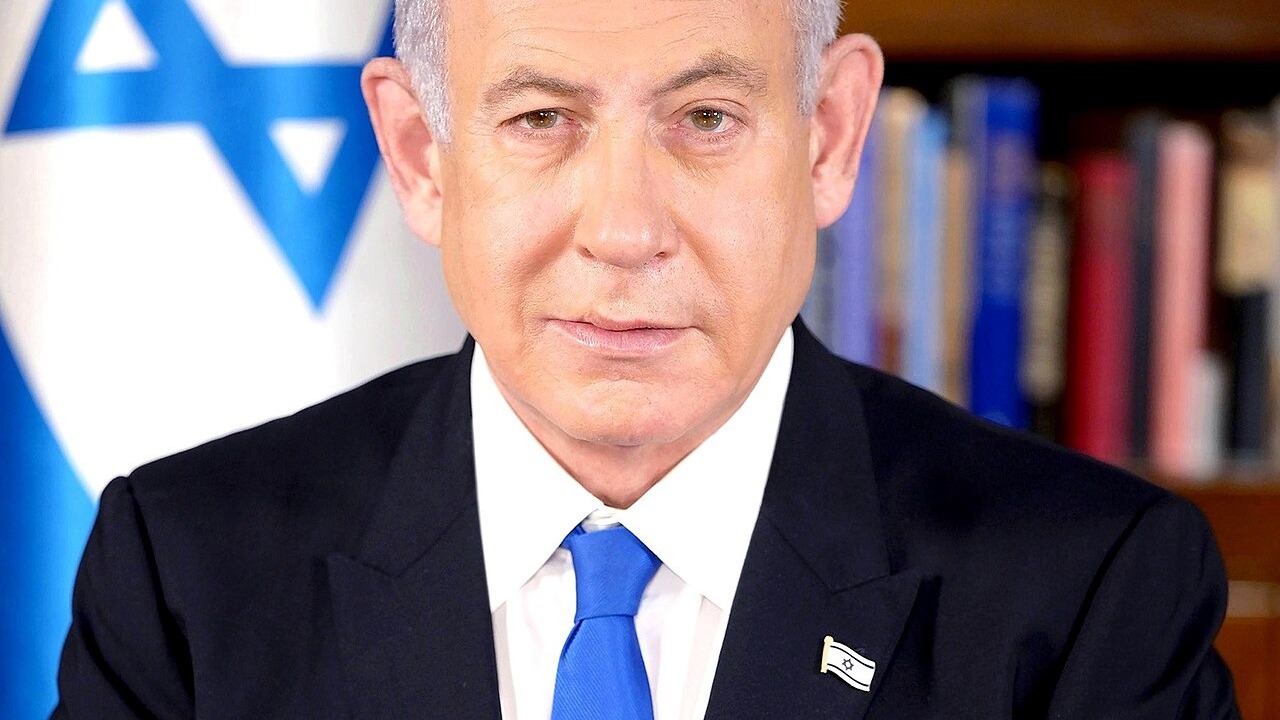
POLICY WIRE — Jerusalem, Israel — Prime Minister Benjamin Netanyahu stands at a pivotal political crossroads as President Isaac Herzog determines who will be granted the mandate to assemble Israel’s next administration.
Following a loss of ground in the recent elections, the veteran leader is now forced to leverage decades of political influence and potentially negotiate with former adversaries to secure a functional governing coalition.
President Herzog began his formal deliberations on Wednesday to identify the individual tasked with the government formation process. Given the deeply polarized vote, neither Netanyahu nor his opposition rival Gadi Eisenkot secured the necessary seat count to lead on their own.
While the president’s role is largely ceremonial, he holds the influential power to decide who receives the initial opportunity to become prime minister, initiating a complex procedure that may span a significant period.
Leaders of the opposition have met and agreed to begin their own coalition discussions, though the ultimate path toward a stable government remains highly uncertain.
Netanyahu has issued sharp criticisms against his opponents, warning that their potential alliance would create a “dangerous government” built upon the support of extremist factions.
A potential deadlock exists; if all coalition efforts fail, Netanyahu could technically remain in office without forming a new government. Under current Israeli law, the incumbent administration maintains its duties until a successor is seated, even if the situation eventually triggers another round of elections.
Reporting by Policy-Wire (PW)em>