

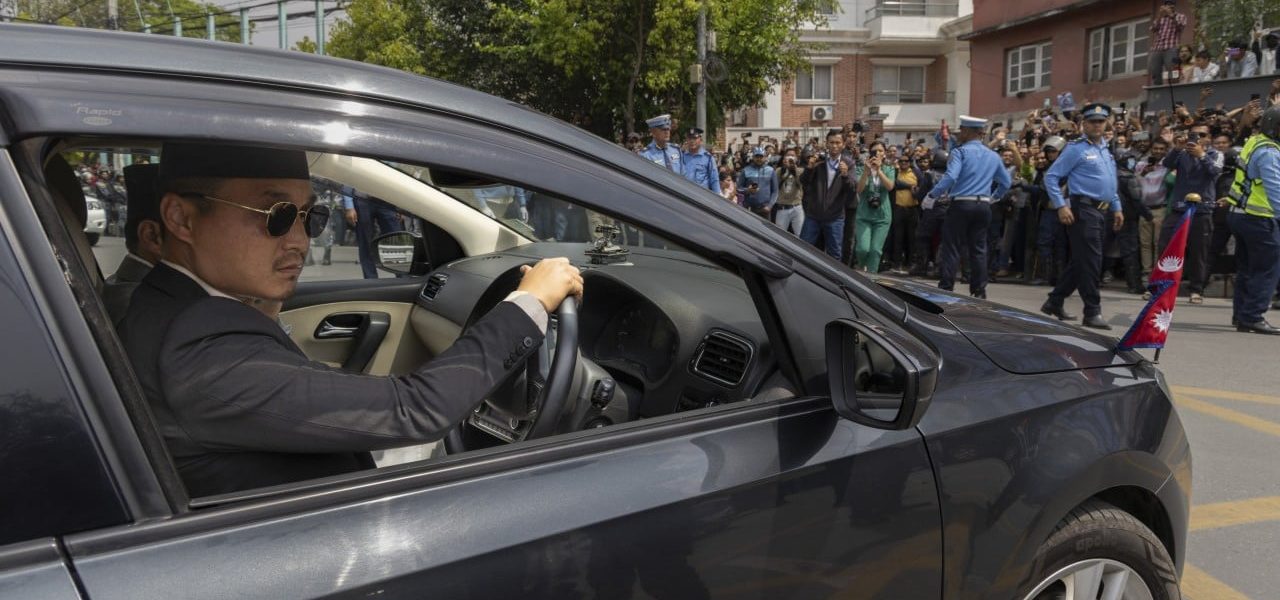
Nepal Home Minister Sudan Gurung Resigns Amid Financial Scrutiny After Brief Tenure
POLICY WIRE — Kathmandu, Nepal — Nepal’s Interior Minister, Sudan Gurung, officially stepped down from his position on Wednesday, amidst mounting public and political pressure over allegations...

POLICY WIRE — Kathmandu, Nepal — Nepal’s Interior Minister, Sudan Gurung, officially stepped down from his position on Wednesday, amidst mounting public and political pressure over allegations concerning his personal finances.
This resignation comes barely a month after Gurung assumed the influential cabinet role, a position he secured on a strong anti-corruption platform following widespread public discontent.
Ministerial Exit and Justification
Sudan Gurung, aged 38, who emerged as a prominent figure during the Gen-Z protests in September that ultimately led to the downfall of the previous Nepali administration, publicly announced his departure. He stated his resignation was imperative to ensure an “unbiased and thorough investigation” into the financial irregularities leveled against him.
Via his social media channels, the outgoing minister articulated his stance, posting, “I have formally resigned from the office of Home Minister, effective today.” He further emphasized his principles, adding, “For me, morality holds precedence over any official designation or power.”
The circumstances surrounding his short tenure highlight the intense scrutiny public officials face, especially those who rise to power on promises of transparency and accountability.
Read More: BTS Founder Bang Si-hyuk: Police Seek Arrest Over Alleged Investor Fraud
📄 POLICY WIRE WHITEPAPER PUBLISHED: PAKISTAN'S NATIONAL SECURITY POLICY PRIORITIES
👉 READ BY CLICKING HEREFinancial Scrutiny and Anti-Corruption Stance
The swiftness of Gurung’s resignation underscores the sensitivity surrounding financial probity within the Nepali government. His appointment was a direct consequence of a popular movement demanding an end to systemic corruption, placing him under immediate and intense public and media scrutiny.
Observers suggest that the ongoing investigation will be a critical test for the new government’s commitment to its anti-corruption pledges. The public will closely watch how authorities handle the allegations and the subsequent inquiry.
The political landscape in Nepal remains dynamic, with citizens increasingly vocal about governance standards and financial transparency from their elected representatives. This incident serves as a stark reminder of the challenges faced by leaders tasked with reforming established systems.
Read More: Ukraine Pipeline Restarts: EU Approves €90 Billion Loan Amid Energy Security Boost