


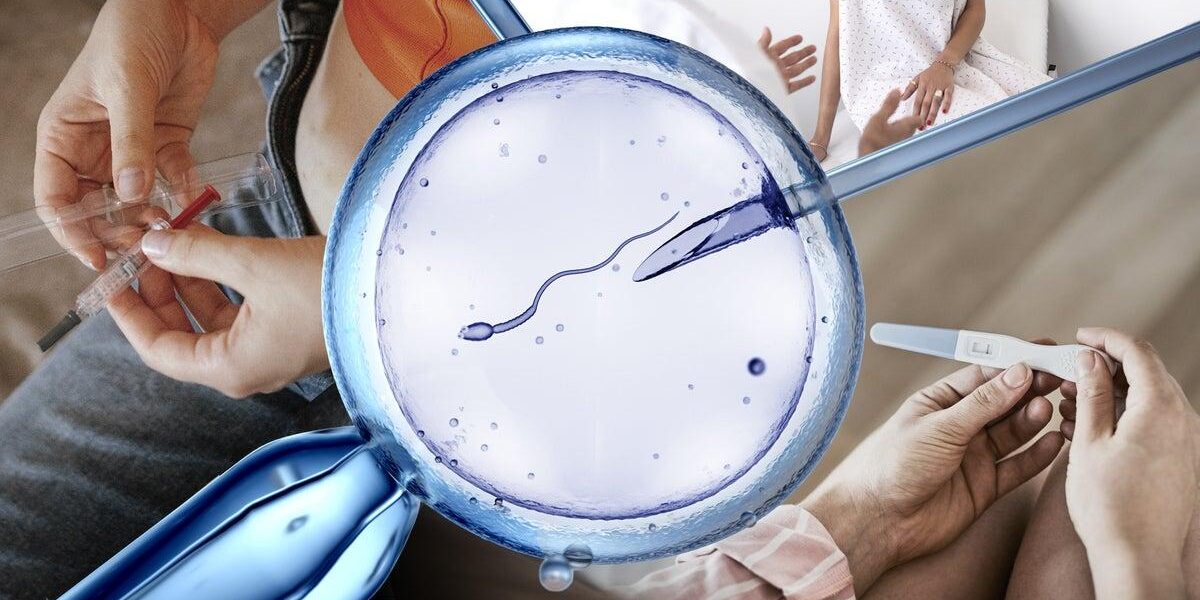
National Birth Rate Crisis: NHS Cuts IVF Access Amidst Growing Concerns
The UK faces a national birth rate crisis as NHS cuts IVF access, leaving thousands priced out of having children. World IVF Day highlights the issue.

POLICY WIRE — London, UK — In the past year, five regions have reduced NHS fertility treatments or tightened eligibility criteria, exacerbating concerns over the national birth rate crisis. World IVF Day on November 10 brings attention to the growing disparity in access to in-vitro fertilization (IVF) treatments.
The reductions in IVF services come at a time when the importance of supporting fertility treatments has never been greater. The impact of these cuts means that thousands of individuals and couples are being priced out of the possibility of having children.
Helen Coffey, in an in-depth analysis, explores the injustices within the current system of fertility treatments. “It’s a severely unjust area of medicine,” Coffey notes, “where the dream of parenthood is becoming increasingly out of reach for many.”
The cuts to NHS-funded IVF treatments vary by region. Some areas have entirely ceased offering the procedure, while others have implemented stricter eligibility criteria, such as age limits or requirements for a certain number of failed natural conception attempts.
The implications of these changes are profound. For many, IVF represents the only viable path to parenthood. The financial burden of private treatment is substantial, often costing upwards of £6,000 per cycle, placing it out of reach for the average UK household.
Experts warn that the reduction in NHS-funded fertility treatments could lead to a further decline in the national birth rate, which has been on a downward trend for several years. The Office for National Statistics reported a 4% drop in live births in 2020 compared to the previous year.
Advocacy groups and fertility clinics are calling for increased government funding and support for fertility treatments. They argue that access to IVF should be considered a fundamental right, given the emotional and psychological impact of infertility.
📄 POLICY WIRE WHITEPAPER PUBLISHED: PAKISTAN’S NATIONAL SECURITY POLICY PRIORITIES
“This is not just a medical issue; it’s a social — and economic one,” says Dr. Emily Carter, a fertility specialist. “The inability to have children affects mental health, relationships, — and the broader community. It’s imperative that we address this with the seriousness it deserves.”
World IVF Day serves as a reminder of the ongoing struggle for equitable access to fertility treatments. It calls for greater awareness and action to ensure that all individuals have the opportunity to build the families they desire.
Reporting by Policy-Wire (PW)