

Najib Claims Inability to Pay $12.26M Fine for House Arrest Pardon
Najib claims he can't pay $12.26M fine for house arrest pardon, citing frozen assets.

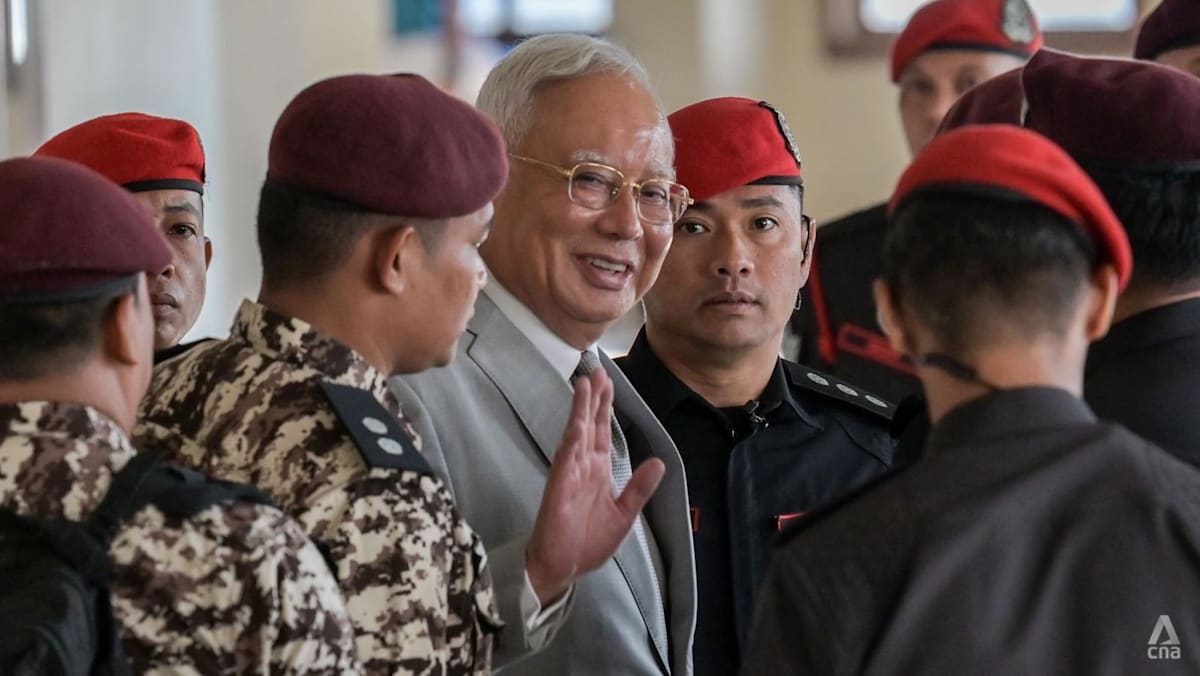
POLICY WIRE — Kuala Lumpur, Malaysia — Former Malaysian Prime Minister Najib Razak has stated that he is unable to pay the RM50 million (US$12.26 million) fine required for his conditional pardon and transfer to house arrest, according to a statement from his legal team released on Sunday, September 20.
The statement by Messrs Shafee & Co. revealed that a large portion of Najib’s assets, bank accounts, and properties remain under freezing orders and enforcement actions by the government, limiting his control over their disposal.
Najib, who will serve the remainder of his prison sentence at home until August 23, 2028, expressed deep gratitude for the support he has received, including from Deputy Prime Minister Ahmad Zahid Hamidi. However, he emphasized that he does not want supporters or party members to feel obligated to assist him financially.
UMNO, the party led by Zahid, launched a solidarity fund for Najib, which exceeded RM1 million within hours of its launch. The funds were collected as part of a broader effort to support the former leader, who was granted a conditional royal pardon after serving nearly two years in prison.
The decision to allow Najib to serve his remaining sentence at home came after the Federal Territories Pardons Board reviewed his case. The board, chaired by Sultan Ibrahim Sultan Iskandar, confirmed that the pardon is conditional upon the payment of the RM50 million fine. Failure to meet this requirement could result in the revocation of the pardon and a return to prison.
Najib was initially sentenced to 12 years in prison and fined RM210 million in 2020 for corruption related to the 1MDB scandal. His sentence was reduced following a partial royal pardon in early 2024. Despite this, he had previously sought house arrest, which was only recently approved.
Meanwhile, Democratic Action Party (DAP) leader Anthony Loke resigned as transport minister in protest of the pardon, though other DAP ministers remained in the cabinet to ensure political stability. Legal experts have noted that the pardon sets a precedent for other convicted prisoners seeking similar treatment.
Reporting by Policy-Wire (PW)