


Nagpur Violence: A Reflection of Marginalization
The recent violence in Nagpur, a major city in Maharashtra, has brought to light the simmering tensions between Hindus and Muslims in India. What started as a peaceful protest over the removal of...

The recent violence in Nagpur, a major city in Maharashtra, has brought to light the simmering tensions between Hindus and Muslims in India. What started as a peaceful protest over the removal of Aurangzeb’s tomb turned into a violent confrontation, exposing the underlying issues of religious intolerance and the marginalization of Muslims in the country. The clashes have sparked widespread concern, particularly regarding the growing trend of targeting Muslims and their religious symbols, including their holy books.
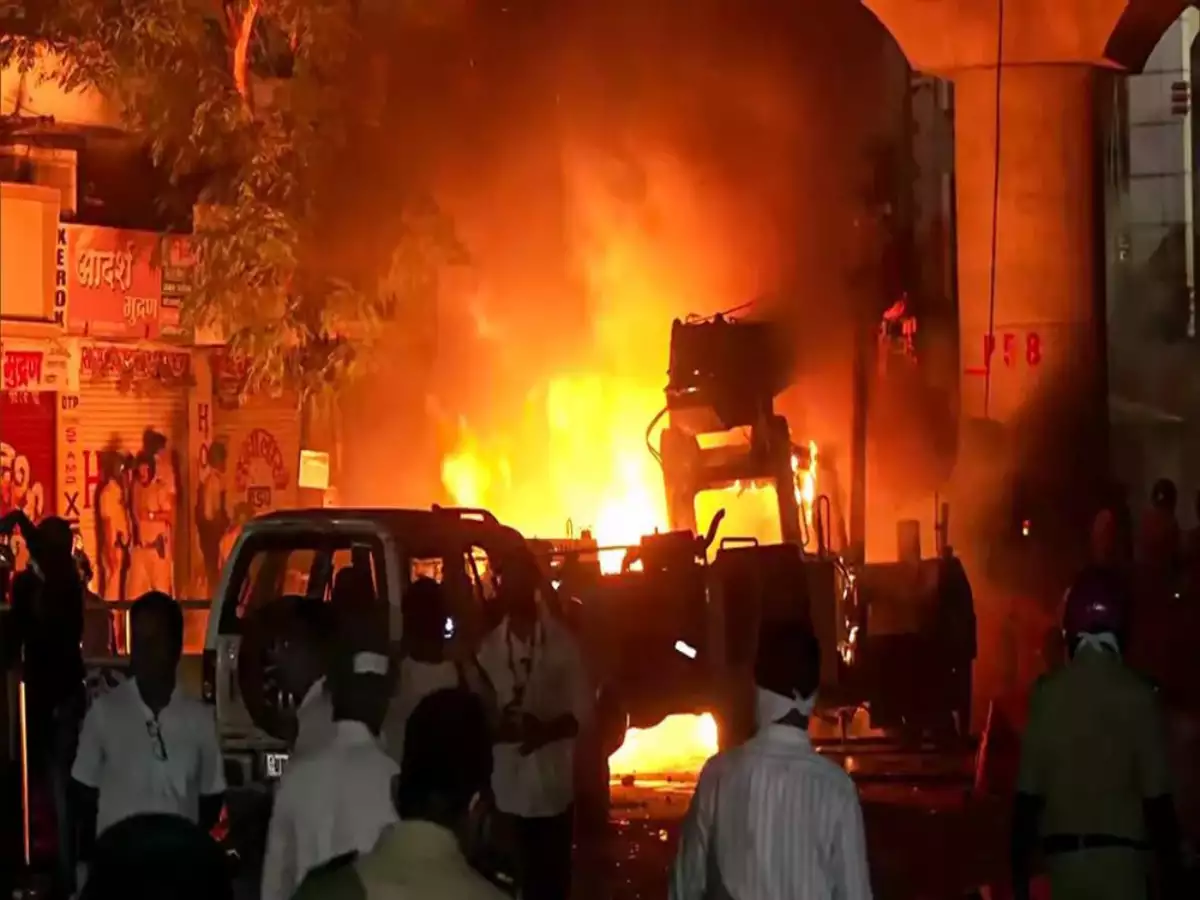
It all began with a protest by a right-wing group calling for the demolition of Aurangzeb’s tomb in Maharashtra’s Chhatrapati Sambhajinagar district. While such demands have been raised before by those who wish to rewrite India’s historical narrative, this protest soon turned violent. The tension reached its peak when, during the demonstrations, rumours spread that the holy book of the Muslim community had been set on fire by the protesters. This rumour caused an uproar in Nagpur’s Mahal area, leading to clashes between the two communities. Vehicles were set ablaze, and the protesters became increasingly hostile, even attacking a police officer who was severely injured during the unrest.
The incident left the community shaken, and tensions remained high as several areas underwent combing operations by the authorities. More than 15 individuals were detained in the aftermath, but this action did little to quell the anger and fear that the violent events had stirred up. Deputy Commissioner of Police Niketan Kadam, who was caught amid the chaos, was severely injured in what seemed to be a deliberate attack on the police force. As the situation spiralled out of control, Maharashtra’s Chief Minister Devendra Fadnavis appealed for calm, urging citizens not to give in to the rumours that had exacerbated the violence.
The burning of the Holy Quran, whether true or not, highlights a deeper issue within India’s socio-political landscape. Religious intolerance is not a new phenomenon, but in recent years, there has been an alarming rise in attacks on religious minorities, particularly Muslims. Whether it’s the desecration of religious books or the targeting of mosques and Muslim institutions, the message is clear: Muslims are being increasingly marginalized and their religious practices under siege. The violent events in Nagpur reflect a broader trend that cannot be ignored.
According to a report from the Indian Ministry of Home Affairs, communal violence has been on the rise in the country, with an increase in incidents targeting religious minorities. 2020 alone saw a 25% rise in communal violence compared to previous years. These incidents are often fueled by political agendas that seek to divide communities and sow distrust among them. The current government’s rhetoric surrounding the protection of Hindu culture and the erosion of Muslim rights plays a key role in this growing division.
The role of rumours in inciting violence cannot be overstated. In a digital age, misinformation spreads like wildfire, and social media platforms are often used to polarize communities further. In Nagpur, the rumour of the Quran being burnt acted as a spark, igniting violence in an already volatile situation. This mirrors a pattern in several incidents across the country where rumours have played a critical role in escalating tensions. A prime example of this can be seen previously in the Delhi riots of 2020, where false information led to widespread violence that claimed the lives of many. Similarly, in the case of Nagpur, the rumours about the desecration of the Quran justified for some to attack others, further deepening the religious divide.
This is not just an isolated incident. The targeting of Muslim religious symbols, including the Quran, has become disturbingly frequent in India. The burning of religious books is a direct assault on the beliefs and dignity of Muslims, yet the response from the authorities has often been muted. The silence from the government, in many instances, is a reflection of the deeper issue of the marginalization of Muslims within the broader fabric of Indian society. While the government condemns violence in some cases, it often fails to address the root causes, which include the spread of hate speech, the promotion of divisive narratives, and the targeting of Muslim identity.
📄 POLICY WIRE WHITEPAPER PUBLISHED: PAKISTAN'S NATIONAL SECURITY POLICY PRIORITIES
👉 READ BY CLICKING HEREThe political climate in India has also contributed to the increasing tension. Right-wing political parties and organizations have played a pivotal role in stoking the flames of religious hatred. The rhetoric of these groups often portrays Muslims as outsiders or threats to the nation’s cultural fabric. This rhetoric has gained significant traction in recent years, especially under the current government, where policies and actions often seem to target the Muslim population. For instance, the Citizenship Amendment Act (CAA) and the National Register of Citizens (NRC) have sparked widespread protests, with critics accusing the government of discriminating against Muslims.
The situation in Nagpur and the broader context of religious violence in India also points to the failure of the state to protect its citizens, especially those from marginalized communities. The police, who were supposed to maintain order during the protests, found themselves caught in the crossfire of communal violence. This highlights the increasing vulnerability of the Muslim community in such situations, where the authorities often seem more inclined to appease the majority rather than ensure justice for the minority.
The Nagpur violence, much like other incidents across the country, is a stark reminder of the deepening divisions within Indian society. The events are not just a reflection of a clash between two communities but also a manifestation of the broader issue of religious intolerance and the marginalization of Muslims. The burning of religious books, the spread of rumours, and the rising incidents of communal violence are all part of a worrying trend that must be addressed. The government must take concrete steps to ensure that the rights and dignity of all citizens, regardless of their religion, are protected. Only then can India hope to move towards a more harmonious and inclusive future.
Author