


Mountain Metamorphosis: Taos’s Fraught Flight to Prosperity Takes Off (Again)
POLICY WIRE — TAOS, N.M. — The mountain winds carry whispers of prosperity as Taos Regional Airport throws open its arms — for the summer, anyway. Forget the sweeping...

POLICY WIRE — TAOS, N.M. — The mountain winds carry whispers of prosperity as Taos Regional Airport throws open its arms — for the summer, anyway. Forget the sweeping pronouncements; here in northern New Mexico, a renewed skirmish for tourist dollars just got its seasonal air support. It’s a delicate dance, this push-and-pull between quaint isolation and economic viability, played out annually in the shadow of the Sangre de Cristo peaks.
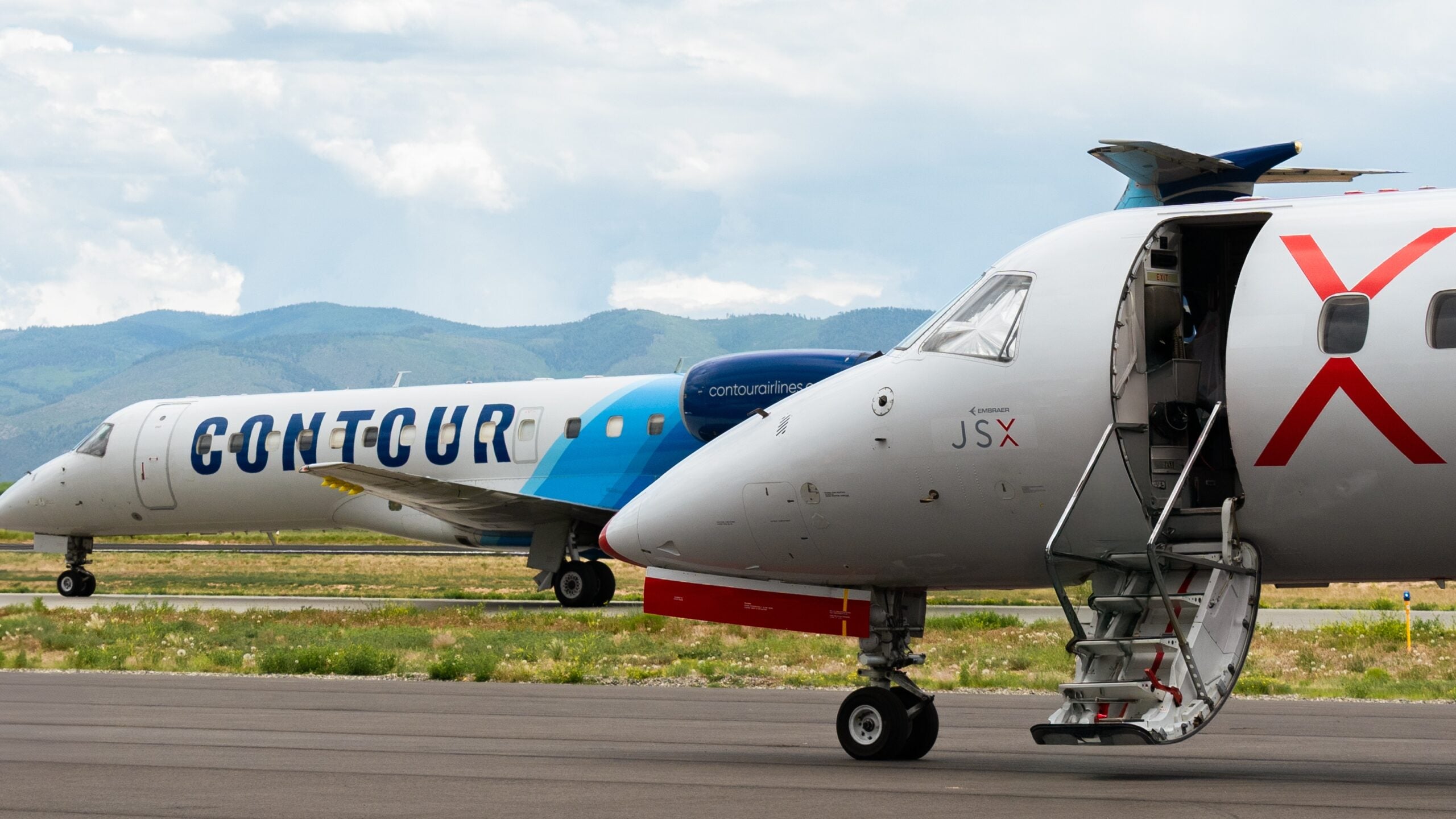
Beginning in late June, and running through late September, the tarmac will once again see the arrivals and departures of planes from JSX and Contour Airlines. These aren’t jumbo jets, mind you, but the lifeline for a community that thrives on its unique blend of art, culture, and high desert mystique. Dallas, Austin, and Denver are the key markets targeted — pockets of affluence and burgeoning populations deemed ripe for a Taos escape.
JSX, with its semi-private vibe, kicks off direct flights to Dallas and Denver starting June 29th, hitting the tarmac Mondays, Thursdays, and Saturdays. Contour, for its part, takes on Denver beginning June 28th, operating Mondays, Thursdays, — and Sundays. So, if you’re planning a quick getaway (or maybe a working sabbatical, Taos style), you’ve got options. Or, more accurately, some highly specific options on certain days.
Local boosters, naturally, are talking up the convenience — and connectivity. “Reliable regional air service isn’t just about planes and runways,” Taos Mayor Daniel Barrone recently observed, sounding every bit the small-town executive balancing aspirations with fiscal realities. “It’s about breathing life into our local businesses, keeping the tourist economy humming, and making sure our residents have decent options when they need to get somewhere that isn’t Santa Fe. It’s how you grow a community sustainably.” And frankly, he’s not wrong. For many, that accessibility factor is everything.
The numbers, small as they might seem on a global scale, loom large for Taos. A recent study by the New Mexico Department of Tourism suggested that each air traveler to the state’s regional airports contributes, on average, roughly $850 per visit to the local economy. Those are not chump change figures when you’re talking about supporting hundreds of jobs tied to hotels, restaurants, galleries, and those ubiquitous gift shops. It’s a direct cash injection, something small communities always need.
But the scramble for connectivity isn’t unique to the American Southwest. Picture the Hunza Valley in northern Pakistan — another remote, culture-rich locale striving for sustainable tourism. They, too, face challenges with infrastructure and access, often eyeing air links as a critical conduit for economic growth and showcasing their unique heritage. It’s a universal story, this quest to bridge isolation and foster connection, whether it’s for arts patrons seeking turquoise in New Mexico or adventurers exploring ancient trade routes.
Airport Manager Colton Rapstine sees it as an evolutionary step. “Taos Regional Airport is steadily evolving,” he relayed, a hint of hard-won satisfaction in his tone. “By maintaining this seasonal consistency and forging stronger airline partnerships, we’re not just opening our doors; we’re building the groundwork for long-term growth. This isn’t a one-off — it’s an investment in what Taos can be.”
For the particularly savvy traveler (or perhaps the deeply motivated local), there’s even a 20% discount floating around. Just type “tsmlocal” at checkout when booking those round-trip JSX flights out of Taos. It’s a little sweetener, an acknowledgment that locals also play a part in making these routes viable. Because after all, if the town doesn’t embrace its own lifeline, who will?
What This Means
This isn’t just about planes flying in and out; it’s a yearly referendum on Taos’s economic direction. The return of seasonal service signals a cautious optimism that the high-desert community can continue to balance its unique cultural identity with the demands of a modern tourism economy. Politically, it’s a win for local leaders who’ve consistently lobbied for improved access, framing it as essential for everything from job creation to bolstering local tax receipts. But the very seasonal nature of the service, dictated by market forces and peak tourist periods, hints at the underlying fragility. It’s a hand-to-mouth existence for air links in many smaller regions.
Economically, reliable air access is less a luxury — and more a basic utility for areas like Taos. It allows the region to compete, albeit on its own terms, with larger destinations and tap into consumer bases that wouldn’t otherwise consider the longer, multi-stop overland trek. Without these links, the town risks receding into a deeper economic isolation, making future investments less attractive. And it’s also about local quality of life — residents can access larger metropolitan areas without a half-day drive, connecting them to more diverse opportunities and essential services. This service, even if fleeting, acts as a barometer for how willing the market is to engage with smaller, distinctive locales, influencing everything from real estate values to the type of businesses that can thrive.
Booking details for these flights can be found on JSX.com for Austin — and Dallas, and ContourAirlines.com for Denver. And you know the drill: major aggregators like Expedia and Kayak will also list them, so shop around if you’re inclined to scrutinize every dollar spent.