


Mirpur’s Upset: Bangladesh’s Cricket Coup Signals Shifting Global Narratives, Stinging Australian Dominance
POLICY WIRE — Dhaka, Bangladesh — They said it couldn’t be done, not really. Not consistently, anyway. But in a sweat-soaked arena just outside Dhaka, amidst the kind of fervor that only truly comes...

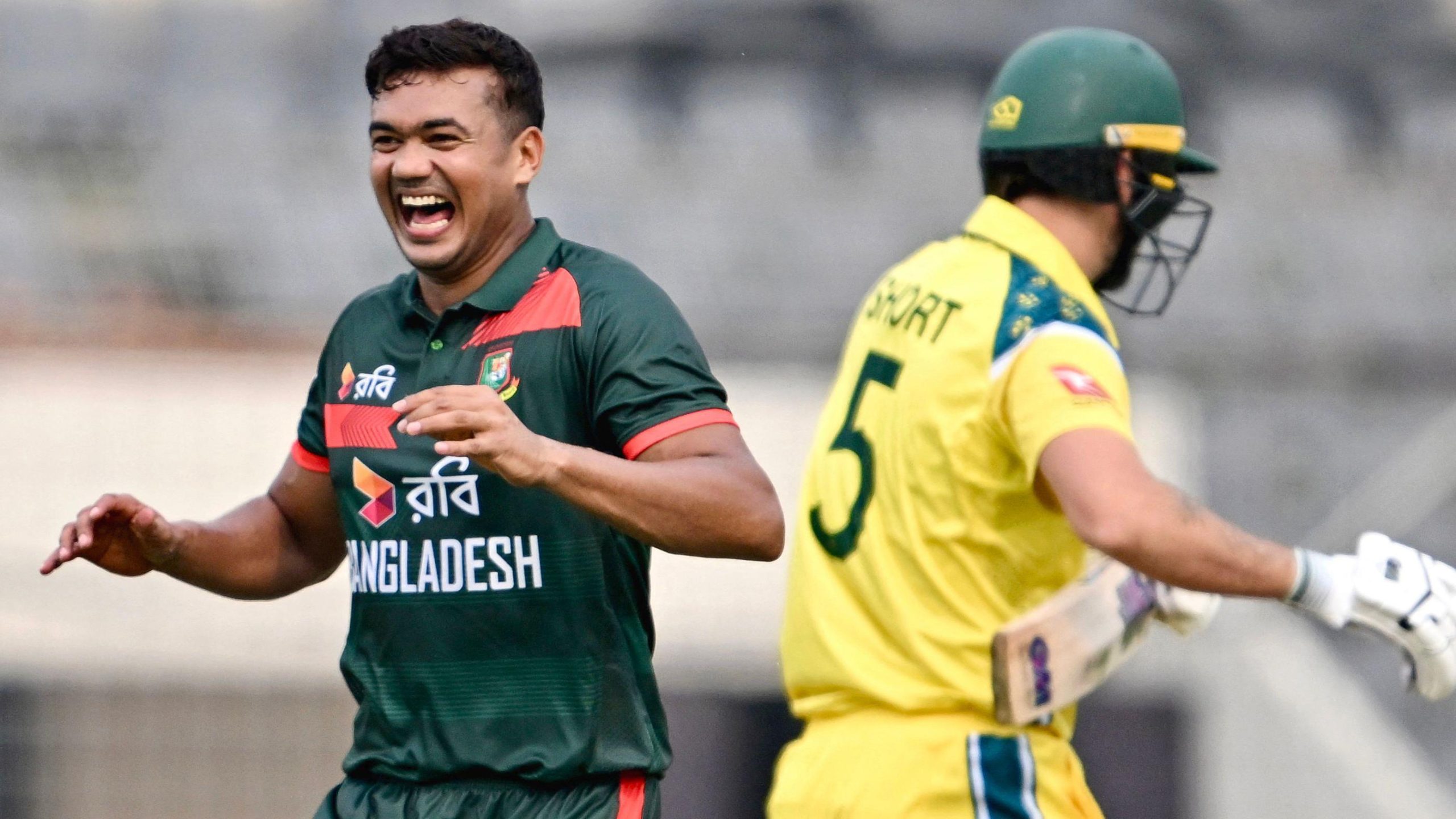
POLICY WIRE — Dhaka, Bangladesh — They said it couldn’t be done, not really. Not consistently, anyway. But in a sweat-soaked arena just outside Dhaka, amidst the kind of fervor that only truly comes alive when history hangs precariously, Bangladesh just delivered a raw, unequivocal slap to cricketing royalty. A young side, long considered an underdog, not only beat Australia in an One-Day International—their first in twenty-one years—they thumped them. By 86 runs. It’s an outcome that stings for Australia — and sends a ripple of defiant pride far beyond the cricket pitch.
It wasn’t a fluke; it was a comprehensive dismantle, almost surgical in its execution against a bewildered Australian eleven. And let’s be clear, this wasn’t the invincible Australia of yore, sure. They’d left a few of their top-shelf players back home. But still, the Aussie name alone carries a certain weight, a legacy of dominance. To watch it falter so spectacularly, fielding woes included—they dropped Mosaddek Hossain four times, allowing him to stack up an unbeaten 86 runs—was frankly, astonishing.
Nahid Rana, a pacer whose name probably hadn’t registered on many international radars until now, ripped through Australia’s top order like a tropical storm, snatching four wickets for just 41 runs. Another relative unknown, spinner Mosaddek, making a comeback after four years in the wilderness, picked up two crucial ones himself. This isn’t just a scoreline; it’s a narrative, a very blunt reminder that the old hierarchies, on and off the field, aren’t quite as immutable as some might prefer.
Prime Minister Sheikh Hasina didn’t mince words. “This victory isn’t just about cricket. It’s about resilience, about showing the world what we’re capable of when we believe in ourselves. Our nation, like our team, is on the rise.” It’s a sentiment echoing across the burgeoning South Asian landscape. And you can’t deny the economic backdrop: according to the World Bank, Bangladesh’s GDP per capita has grown by an average of 6.2% annually over the last decade, outstripping many regional peers and steadily closing the gap with larger economies. This isn’t a nation accustomed to folding.
Across the diplomatic aisles, Canberra’s response was, as you’d expect, meticulously understated. Australian Foreign Minister Penny Wong offered a boilerplate remark. “Sport has its ups and downs. Today, Bangladesh played an exceptional game. We respect their performance, and it underscores the growing strength of cricketing nations globally—something we actively encourage through engagement and support.” But you can almost hear the unsaid caveat: ‘just don’t make a habit of it.’ They’ve been here before, only once, way back in 2005. This felt…different.
What This Means
This isn’t merely a sports anecdote, it’s a flashpoint in a much larger, ongoing narrative—the chipping away of established global perceptions. For Australia, a sporting heavyweight, it’s an uncomfortable spotlight on a broader malaise. Is it symbolic of their fading sporting dominance, or perhaps something deeper? But for Bangladesh, and indeed for the wider developing world—especially across the Muslim nations of South Asia—it’s an affirmation. It’s a palpable demonstration that ‘underdog’ doesn’t mean ‘powerless.’ It’s a shot of adrenaline to a country and a region striving for greater recognition, a louder voice on the world stage. Economic stability, like sporting prowess, often demands challenging existing orders, pushing past inherited reputations. This game in Mirpur served as a poignant, almost visceral metaphor for that relentless ambition.
The implications here aren’t just for cricketing purists. We’re witnessing a gradual rebalancing, a world less dictated by old empires, whether economic or athletic. The victory resonated from Karachi to Kuala Lumpur—a powerful symbol that strength and capability are far more widely distributed than yesterday’s headlines might have suggested. Nations that once simply aspired now occasionally dictate. And they do it, often, with audacious grace — and punishing accuracy. This game, just one in a series, it tells a tale.
England, oddly enough, also felt the vibrations. The DLS method delivered the verdict early in Mirpur, but the repercussions for the 2027 World Cup qualification race are real. They’re eighth, Bangladesh ninth. It’s tight. But here’s the kicker: this unexpected jolt from Bangladesh illustrates that relying on historical pecking orders in any sphere—be it sport, economics, or geopolitics—is increasingly a fool’s errand. The quiet ones, they’re getting stronger. And sometimes, they just surprise everyone.