
Million-Dollar Muscles: Rangers’ Playoff Pulse Beats to the Rhythm of Rehab
POLICY WIRE — Arlington, Texas — There’s a certain grim calculus in professional sports, isn’t there? It’s a relentless, day-to-day balance sheet where every tweak, every pulled muscle, every...

POLICY WIRE — Arlington, Texas — There’s a certain grim calculus in professional sports, isn’t there? It’s a relentless, day-to-day balance sheet where every tweak, every pulled muscle, every errant dive carries a price tag in wins, fan sentiment, and, yes, cold, hard cash. The Texas Rangers, reigning champions, found themselves deeply entangled in this equation yet again this week, sifting through a mixed bag of medical reports that speak volumes about the brutal realities of competing at the highest level. You’re not just buying talent; you’re betting on bodies.
It wasn’t a sudden, cataclysmic injury that seized headlines—those are for primetime. No, this was the quiet hum of the daily grind, a collection of nagging doubts and tentative optimism echoing through the clubhouse. On Monday, young Wyatt Langford, the Rangers’ outfield dynamo, embodied this precarious optimism. He was, by all accounts, ‘chipper,’ a descriptor usually reserved for springtime flowers, not highly-compensated athletes staring down yet another rehab stint. The 22-year-old, whose promising season hit the brakes on April 21 with a strained flexor tendon, has been a study in perseverance. And, he’s tired of waiting.
“I’m itching, man. This is what I do, you know?” Langford confided to reporters, his frustration barely concealed beneath a veneer of practiced calm. “This isn’t just about getting back; it’s about getting back — and staying back. Every swing, every throw… it matters. It’s got to feel right.” The team’s careful dance with his recovery includes eyeing live batting practice on Friday and a potential rehab assignment this weekend. Manager Skip Schumaker, ever the pragmatist, wasn’t letting the infectious energy cloud his judgment. “We’re playing the long game here,” he noted, emphasizing the methodical approach. “Their careers aren’t a sprint, — and neither is a season. We’ve got to ensure he’s not just healthy, but primed, physically and mentally.”
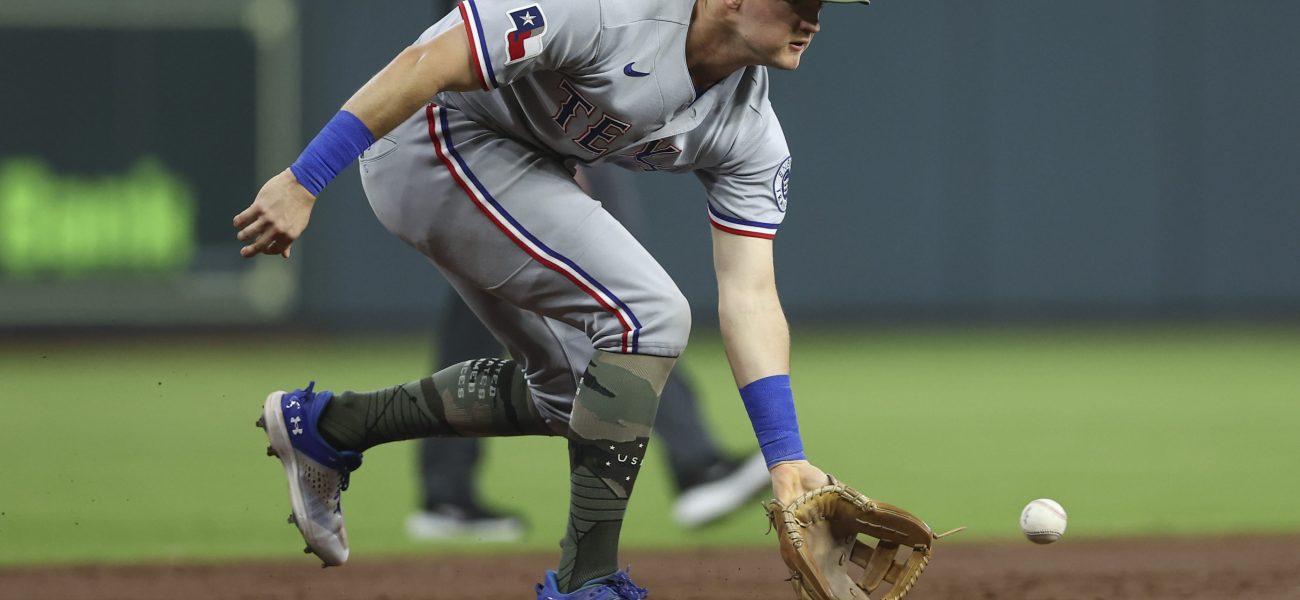
And speaking of mental priming, third baseman Josh Jung dodged a major bullet. His left shoulder, the very one that endured surgical reconstruction in 2022 after a labrum tear, barked fiercely after a Saturday dive. The kind of scare that makes veterans flinch — and accountants wince. But good news arrived: no structural damage this time around. Jung returned to full fielding routines Monday, even hitting off a tee without issue. The relief was palpable. “You feel that tweak, — and your mind just races straight to the worst-case scenario. Been there before,” Jung admitted, a quiet shudder implied in his tone. The immediate threat averted, he could be back in the lineup as soon as Tuesday, a brief, terrifying glimpse into the abyss of another lost season for the critical infielder.
But there’s always a ‘but,’ isn’t there? The dark cloud hanging over Arlington remains Corey Seager, the lynchpin shortstop whose lower back simply won’t cooperate. An attempt at full baseball activities last Friday proved abortive. Schumaker, for his part, wouldn’t call it a ‘setback.’ That’s manager-speak for ‘we’re managing expectations, folks.’ But the simple fact is, Seager isn’t ready. His absence from nine games already took its toll. You don’t lose a two-time World Series MVP — and expect the machinery to keep humming at full speed. This is a big problem; his absence scrambles the defensive alignments — and drains offensive potency. And let’s not forget Josh Smith, another middle infielder sidelined with viral meningitis. That’s not a hamstring pull, that’s a real, unpredictable health crisis whose recovery timeline remains murky.
This endless, grinding struggle against the frailty of the human body isn’t some parochial concern unique to Texas. It’s a universal theme that resonates deeply, from the hyper-capitalized sports arenas of America to the fervent, cricket-mad stadiums of Pakistan. Across the Muslim world, where passions for sport run just as hot, the economic impact of athlete well-being is increasingly recognized. The fortunes of an entire team—even a nation’s pride—can swing on the integrity of a rotator cuff or a hamstring. Consider the massive investments, both public — and private, poured into athletic infrastructure and talent development. They all hinge on these bodies holding together.
The financial ramifications are stark. For example, Major League Baseball teams lost an estimated an astonishing $971.4 million in total active player payroll to injured players over the 2023 season, according to publicly available sports analytics data—that’s roughly 15.6% of the league’s entire payroll gone to players who weren’t on the field. That’s a chunk of change that’d make even a Pakistani federal budget allocation for sports rehabilitation look modest. These aren’t just athletes; they’re billion-dollar assets whose continued peak performance is the lifeblood of an entire economic ecosystem.
What This Means
The Rangers’ ongoing health struggles aren’t just about baseball; they’re a stark lesson in the unforgiving economics of modern professional sports. When star players—Seager, Jung, Langford—are sidelined, the impact reverberates far beyond the stat sheet. For ownership, it’s about diminishing returns on colossal investments. Seager’s 10-year, $325 million contract, for instance, assumes a certain level of consistent output. When injuries restrict that output, the enterprise’s value, both on-field — and off, suffers. Fewer marquee players means fewer sell-outs, less merchandise, and ultimately, a harder sell for sponsorships and broadcast deals. This directly impacts the franchise’s valuation — and its ability to compete for new talent. For fans, it’s an emotional tax, watching potential championships slip away due to factors beyond the players’ control, generating cynicism and impacting long-term engagement.
Beyond the diamond, this micro-saga reflects a macro-trend: the increasing fragility of highly specialized human capital in an intensely demanding, physically brutal industry. Teams are pouring unprecedented resources into sports medicine, analytics, and recovery, yet the injury rates don’t necessarily decline proportionately. This creates a kind of arms race in human performance management. The Rangers, having tasted championship glory, know that sustaining it requires not just talent, but also a dose of divine intervention to keep those million-dollar muscles from tearing. And that, dear reader, is a prayer that echoes in every front office across every sport, from here to Ahmedabad’s cricket pitches.