


Ahmedabad’s Stadium Standoff: IPL Finals Shift Ignites Regional Ripples Beyond Cricket Pitches
POLICY WIRE — New Delhi, India — Forget the roaring crowds of Bengaluru for a moment. Forget the raw tension of an IPL playoff. The real drama, it seems, has unfolded quietly, far from the 22 yards...

POLICY WIRE — New Delhi, India — Forget the roaring crowds of Bengaluru for a moment. Forget the raw tension of an IPL playoff. The real drama, it seems, has unfolded quietly, far from the 22 yards of Dharmasala’s scenic HPCA stadium, where Royal Challengers Bengaluru (RCB) and Gujarat Titans (GT) are gearing up for a do-or-die clash. It’s not just about who’s heading to the finals; it’s about where the grand finale itself is being staged—a move that’s got more than a few scratching their heads, and not just among the fervent RCB faithful.
The Board of Control for Cricket in India (BCCI) has decreed: the 2026 IPL final won’t be in Bengaluru, RCB’s spiritual home, even if they—as defending champions—make it through. No. It’s headed to Ahmedabad, to the colossal Narendra Modi Stadium. The official line? “Operational reasons.” A conveniently vague umbrella, isn’t it? As if organizing a cricket match in Bengaluru is suddenly rocket science for a board that’s managed the spectacle for over a decade. Some observers, particularly in the Karnataka capital, whisper of other ‘operations’ at play—the kind that deal less with logistics and more with political influence and regional ascendancy. After all, Gujarat is no stranger to hosting events with a certain gravitas, especially with the world’s largest cricket stadium, capable of holding 132,000 spectators, in its pocket. That’s a significant marker of sporting infrastructure in a region obsessed with the game.
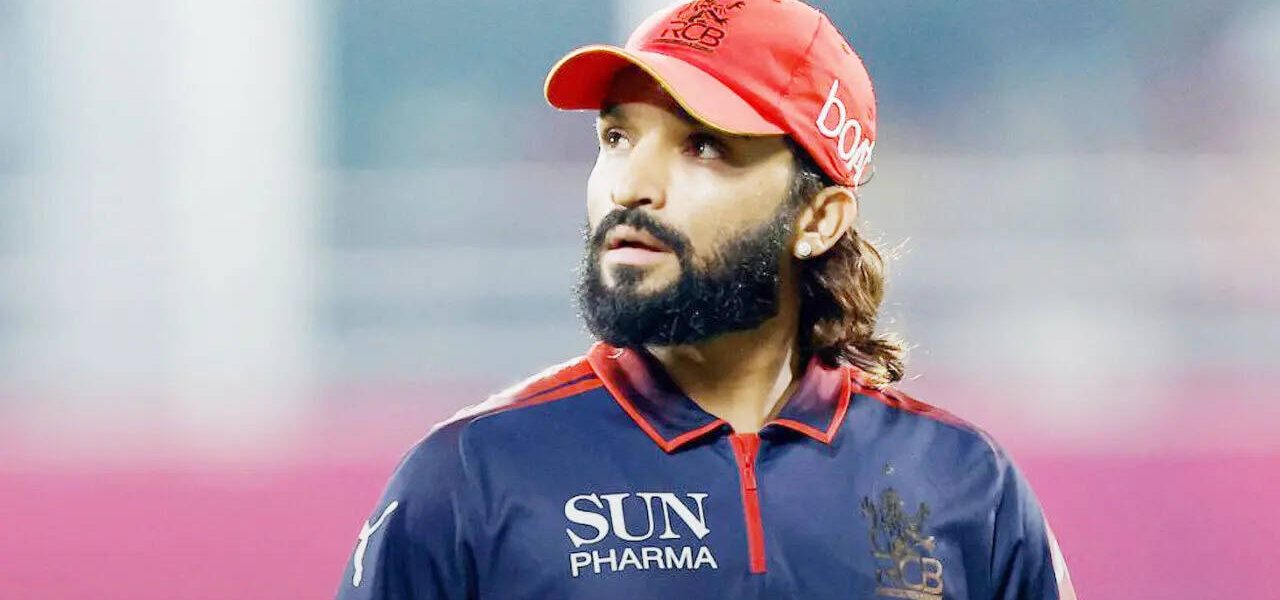
Rajat Patidar, the RCB captain, seemed to take the news with a philosophical shrug, a testament perhaps to the pragmatic cynicism instilled by years in high-stakes professional sport. “It’s not in my control,” he told reporters, his voice tinged with a blend of resignation — and focus. “I think BCCI has to decide where the final is going to be. This is a historic site, so wherever the final is going to be, that’s where it’s going to be. We’re focused on reaching the final.” That’s a captain’s statement, devoid of protest, all business. But you don’t need a PhD in corporate diplomacy to read between the lines. He’s a player; he plays the game. Others play different games.
And play they do. A senior BCCI official, speaking anonymously due to the sensitivity of the internal politics, offered a slightly less opaque view to Policy Wire. “The IPL is a national — and indeed international event, not just a localized league. Decisions about hosting, especially for the summit clash, are strategic. We have to consider infrastructure, fan experience across regions, and governmental support,” the official explained, his tone even but firm. “Ahmedabad offers unparalleled facilities, frankly, — and that makes it a strong contender for marquee events. It ensures our brand, our reach, continues to expand across the subcontinent and beyond. It’s about building a legacy.”
It’s also about a game that increasingly favors the willow-wielders. Patidar also lamented the escalating run-rates dominating this year’s league. Pitch conditions, shorter boundaries, — and evening dew conspire to make bowlers’ lives a living hell, he says. “I feel it’s more challenging for the bowlers. The wickets are batting friendly, boundaries are smaller and there’s dew as well,” Patidar mused, highlighting the brutal efficiency of modern IPL hitting. “Especially for fast bowlers, even a small mistake goes for six.” But, again, a typical player’s retort: it’s what it’s. You just adapt. You always do. Teams like RCB, and their counterparts GT, having finished the league stage tied at 18 points (RCB snatching the top spot via a superior net run rate), have obviously adapted quite well.
What This Means
This isn’t just about a venue change for a cricket match; it’s a microcosm of the political economy of sport in India. The shifting of the final from Bengaluru, a traditional powerhouse and an economic juggernaut (sometimes dubbed India’s Silicon Valley), to Ahmedabad, the largest city in Gujarat, isn’t simply operational. It’s a strategic assertion of influence, demonstrating how sporting events, particularly those with the gravitas of the IPL final, are potent tools for regional branding, investment attraction, and, yes, political optics. Gujarat, led by powerful figures at the national helm, has been keen to burnish its image as a global destination for commerce, manufacturing, and now, mega-events. The decision suggests a centralization of marquee sporting events towards specific, politically favored hubs.
Because the IPL is an economic behemoth, decisions like this impact everything from hotel bookings to advertising revenue, all funneled into a particular city’s coffers. It underscores the immense power vested in the BCCI, an organization that operates with an autonomy few sporting bodies enjoy globally. But it also hints at the deep interplay between sports, business, and government, where the biggest spectacles follow the path of the biggest patrons. It’s a testament to how elite movements reflect shifts in global power. From a broader South Asian perspective, the sheer scale of investment in sports infrastructure within India continues to dwarf its neighbors, widening the gulf in resources and opportunity. Countries like Pakistan and Bangladesh, deeply cricket-crazy, can only watch as India solidifies its financial and infrastructural hegemony in the game, influencing where talent goes, where money flows, and ultimately, who dictates the direction of world cricket.
But make no mistake; even with this political undertow, for the players, the game remains the priority. The Qualifier 1 winner books a direct ticket to Ahmedabad—the shiny new cathedral of cricket—while the loser gets a second shot, but still with Ahmedabad as the ultimate prize. And isn’t that just how the system works?