


Mexico City: World Cup Joy Ends in Deadly Tragedy
Mexico City's World Cup euphoria turned fatal, claiming 4 lives. This incident reveals crucial policy challenges in managing massive urban celebrations.

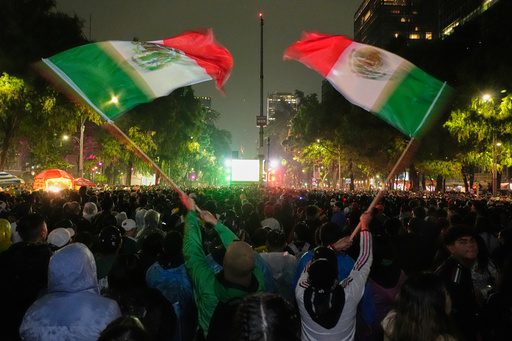
POLICY WIRE — Mexico City, Mexico — A city that roared with joy just hours prior found itself whispering in grief. Mexico City, a metropolis of 22 million souls, became the epicenter of an electrifying national release when its football squad advanced in the World Cup. But beneath the cacophony of fireworks and collective ecstasy, a different, grimmer story unfolded—a reminder that even the most jubilant public spectacles can bear a profound human cost.
It wasn’t the final whistle or a last-minute goal that grabbed Wednesday’s headlines; it was the quiet tally of lives abruptly extinguished. As authorities worked to piece together the events, the sheer force of popular sentiment felt almost palpable, yet dangerously unbridled. Mexico City’s Health Secretariat, using its perch on the social platform X, later confirmed that three individuals—two women, aged 48 and 44, and a 19-year-old man—were discovered unconscious on streets near the revered Angel of Independence monument, an informal altar to national pride. Their end came brutally: authorities said they died of asphyxiation. And one couldn’t help but note the chilling, almost mundane manner of that declaration. The city doesn’t always manage its celebrations so well. [QUOTE_PLACEHOLDER]
Later that same day, Mexico City Health Secretary Nadine Gasman, fronting a press conference, added another grim detail to the ledger. An estimated 30-year-old man, having endured an epileptic seizure, convulsions, and gastrointestinal bleeding, collapsed amidst the throng. Emergency personnel tended to him, but it was too late. He died shortly afterward at a hospital of cardiorespiratory arrest. So, four lives lost to the crush of collective euphoria. A stark counterpoint, it’s, to the pervasive celebratory mood.
The streets, particularly the five-kilometer (three-mile) stretch of Paseo de la Reforma connecting the Zócalo with Chapultepec Park, had simply become an immovable, pulsating mass. Fireworks soared, homemade bands sprung up, and makeshift carts laden with rockets, known here as toritos, tried to navigate through human rivers so thick people could barely move. Young revelers passed bottles of alcohol hand-to-hand—a ritual of joyous abandonment. Some pressed forward to the city center; many, however, found themselves turned back, victims of an unmanageable human tide.
And Mexico City Mayor Clara Brugada, resorting to social media for public communication—a common governmental tactic in times of crisis or public spectacle—had initially implored discretion. Emergency crews, she noted, responded immediately after receiving reports of the three unconscious people, but they had already died. She had then called on the public to celebrate responsibily, carefully — and with empathy. A sound bite, perhaps, but a belated one, issued after the tide had already surged.
📄 POLICY WIRE WHITEPAPER PUBLISHED: PAKISTAN'S NATIONAL SECURITY POLICY PRIORITIES
👉 READ BY CLICKING HEREBefore the night’s tragic denouement, the mayor herself had weighed in, posting a video Tuesday on social media to assert that about 1.4 million people were celebrating in the streets. Her follow-up plea to stop heading to the city center to ease overcrowding was not heard, or perhaps, simply ignored. Instead, she tried to reroute the torrent to a cumbia concert on the city’s east side. A well-intentioned, perhaps naive, attempt to redirect an avalanche of human will.
What This Means
This incident isn’t just a grim anecdote from a football celebration; it’s a policy lesson on the precarious tightrope urban authorities walk during mass gatherings. The spontaneous, organic surge of nationalistic fervor, whether for a sporting triumph, a religious festival, or a political rally, consistently challenges even the best-laid plans. This isn’t unique to Latin America. Consider the staggering logistics and public safety challenges inherent in managing crowds of millions during events like the annual Hajj pilgrimage or certain election rallies across India and Pakistan. The very intensity of collective sentiment, a powerful force for unity, can quickly devolve into a state of chaotic peril when crowd dynamics are poorly understood or simply overwhelm available infrastructure and emergency protocols. Because when the streets are beyond capacity, individual agency—or even the best of governmental intentions—gets swept away.
The tragedy in Mexico City serves as a pointed reminder of governance in extremis. It shows what happens when the joy of millions transmutes into an untameable, almost Hobbesian, crowd. Governments worldwide, particularly in nations where large, spontaneous public assemblies are common, must treat such events not just as celebrations, but as significant public safety and logistical tests. It’s about more than policing; it’s about anticipating human behavior, designing resilient urban spaces, and fostering a culture of public compliance with safety directives that often run contrary to instinctual jubilation. Otherwise, these moments of collective triumph become footnotes of individual disaster.