


Mesa Airlines Flight Makes Emergency U-Turn in Houston After Cockpit Windshield Cracks
Discover how a Mesa Airlines flight safely returned to Houston after a cockpit windshield crack. Read the full FAA investigation update on Policy Wire.

POLICY WIRE — Houston, United States — A routine commercial flight bound for West Texas was forced to execute an abrupt U-turn and return to its departure hub on Sunday following structural damage to its cockpit glass shortly after departure.
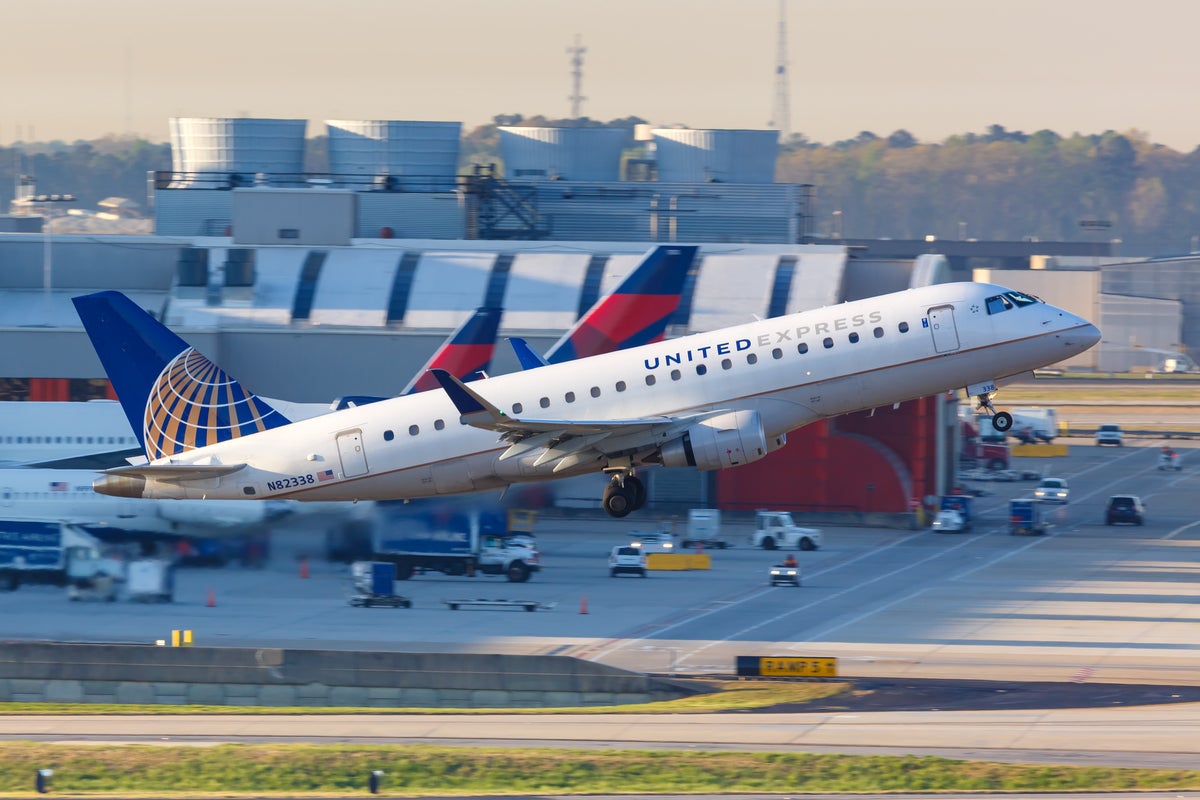
United Airlines Flight 6309, operated by Mesa Airlines on an Embraer E175 aircraft, departed from George Bush Intercontinental Airport in Houston at approximately 12.20 p.m. on its way to El Paso International Airport before encountering the mid-air emergency.
The aircraft successfully touched down back in Houston at 1 p.m. and taxied securely to the gate without further incident.
Flight data and media reports confirmed that none of the passengers or crew members suffered injuries during the episode, and travelers were promptly rebooked onto a substitute aircraft that eventually landed in El Paso at 3.14 p.m.
Emergency responders from the Houston Fire Department met the initial aircraft upon arrival and later cleared the vehicle to return to active service after maintenance crews replaced the fractured window pane.
Air traffic control recordings later acquired by media outlets revealed that the aircraft maintained cabin pressurization despite the shattering of the windshield on the first officer side of the flight deck.
Although commercial airliners are typically engineered with multi-layered tempered glass designed to withstand singular surface fractures safely, recorded pilot communications noted that glass fragments were falling directly inside the cockpit, pointing to a more severe multi-layer failure.
A representative for Mesa Airlines explained that standard operating procedure dictates a return to the departure airfield whenever such anomalies occur, even in the absence of cabin depressurization.
Federal regulators have officially stepped in to determine the underlying cause of the structural failure, with the Federal Aviation Administration confirming plans to launch an inquiry into the event.
A comparable aviation scare occurred last October when a stray weather balloon collided with a United Airlines service headed to Los Angeles, prompting an emergency diversion to Salt Lake City International Airport in Utah.
Reporting by Policy-Wire (PW)