

Marka-e-Haq: Pakistan’s Firm Response to Indian Aggression in 2025
In a year already marked by regional tensions, Pakistan’s armed forces carried out one of the most decisive defensive operations in recent history. The 4-day standoff with India, from May 6 to May...

In a year already marked by regional tensions, Pakistan’s armed forces carried out one of the most decisive defensive operations in recent history. The 4-day standoff with India, from May 6 to May 10, 2025, ended with a bold and calculated campaign named “Marka-e-Haq” or The Battle of Truth. This was not just a military operation. It was a statement to the region and the world: Pakistan will not tolerate unprovoked aggression, and when forced to respond, it will do so with precision, restraint, and absolute resolve.
The Spark of Conflict
The standoff reached its peak when, on the night of May 6–7, Indian forces carried out strikes that killed 40 Pakistani civilians, including 7 women and 15 children, and injured 121 others. The attacks, which also targeted non-military areas, were widely condemned within Pakistan and drew strong criticism from human rights advocates. Pakistan’s government and military leadership acted swiftly. Within days, the armed forces prepared a calibrated counter-operation, one that would send a clear message while avoiding unnecessary escalation. That operation was launched on May 10, under the codename Operation Bunyan-um-Marsoos (“Steadfast Structure”), as part of the wider Marka-e-Haq campaign.
Precision and Professionalism
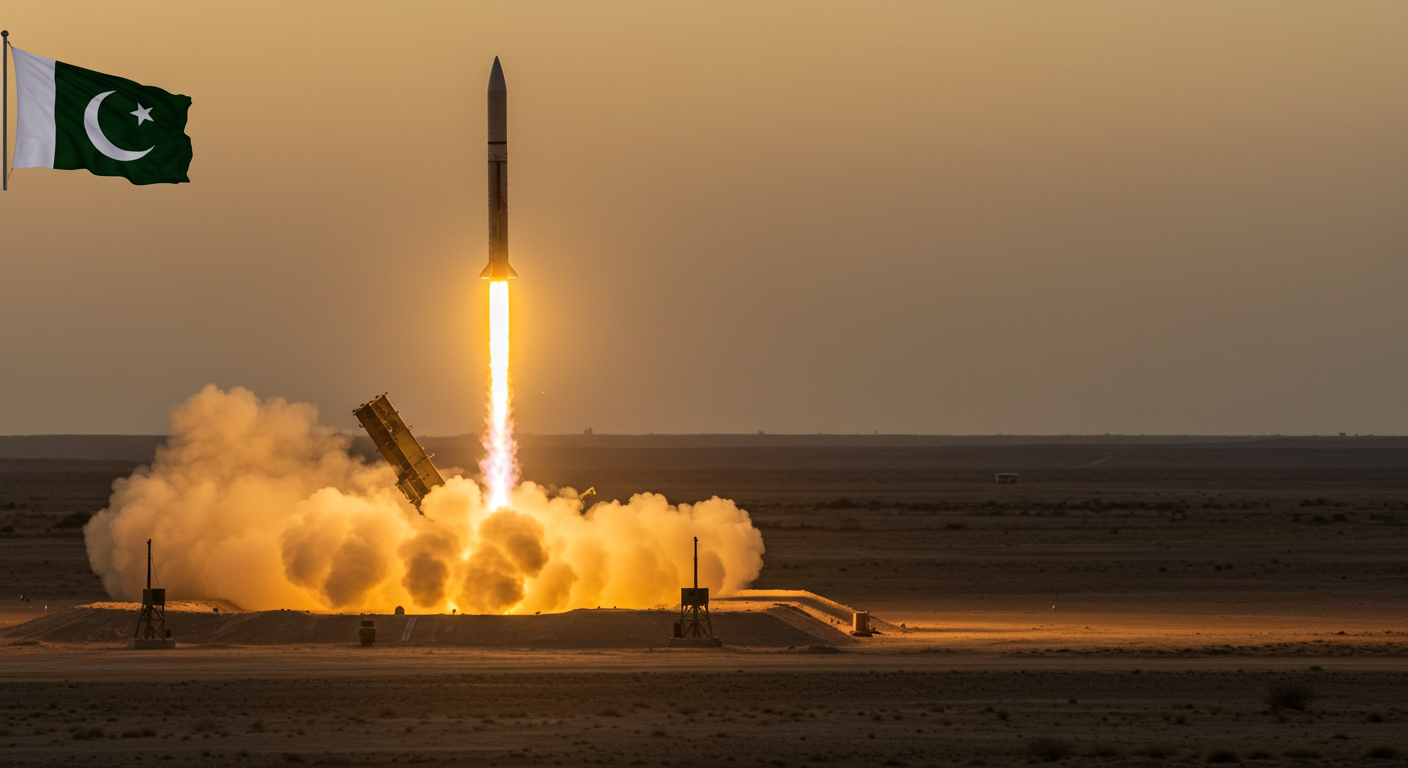
The counter-strikes targeted specific Indian military and intelligence facilities linked to the initial aggression. Using precision-guided Fatah missiles, long-range loitering munitions, modern artillery, and advanced cyber capabilities, Pakistan neutralised high-value military assets, including S-400 air defence systems, command posts, and supply hubs across Indian Illegally Occupied Jammu and Kashmir (IIOJK) and select locations deeper inside India. The operation was carried out with strict adherence to the principle of proportionality under Article 51 of the UN Charter, which protects the right of self-defence. This ensured that civilian areas were avoided, minimising collateral damage while delivering a firm strategic blow. Pakistan paid a price for this defence: 11 armed forces personnel were martyred, and 78 others were injured during the clashes. Yet their sacrifice strengthened the nation’s unity and resolve.
A Name That Speaks of Truth
Naming the campaign Marka-e-Haq was not a casual choice. In Urdu, the term carries a deep moral meaning, a battle fought for what is right and just. For Pakistan, the label captured both the reality of the situation and the spirit of the response. It was not a war for territory or revenge, but a fight for dignity, sovereignty, and the protection of innocent lives. Field Marshal General Asim Munir, Chief of Army Staff, explained that the operation’s name reflected the moral high ground Pakistan held in this confrontation. For his leadership and strategic direction, Gen. Syed AsimMunir was later promoted to the rank of Field Marshal, the country’s highest military rank, conferred only twice before in Pakistan’s history.
National Unity and Gratitude
The victory and the disciplined conduct of the armed forces inspired a wave of national pride. The government declared May 16 as Youm-e-Tashakur, the Day of Gratitude, to honour the sacrifices of the military and the resilience of the civilian population. Across the country, prayers, flag-raising ceremonies, and commemorative events marked the day. Political leaders, civil society, and ordinary citizens set aside differences to present a united front. Social media platforms saw a surge of patriotic content, with hashtags like #MarkaEHaq and #YoumETashakur trending nationwide.
The Information Battle
The 2025 standoff was not fought only on the battlefield. From the start, hostile propaganda sought to distort the events and undermine Pakistan’s position. Indian media outlets attempted to portray their strikes as “pre-emptive,” despite clear evidence of civilian casualties. Pakistan countered with real-time updates, verified imagery, and diplomatic briefings to foreign governments and media houses. The Foreign Office highlighted the attacks on civilians at the United Nations and other international forums, reminding the world that such acts violated both humanitarian law and the spirit of regional peace. This information front was an essential part of Marka-e-Haq, ensuring that Pakistan’s narrative, grounded in facts, reached beyond its borders.
Strategic and Moral Significance
Military analysts say Marka-e-Haq demonstrated Pakistan’s evolving war-fighting doctrine: rapid mobilisation, joint force integration, and the use of advanced technology for surgical strikes. The operation also reinforced Pakistan’s policy of “credible minimum deterrence”, a readiness to respond decisively without triggering full-scale war but beyond strategy, the operation carried moral weight. Pakistan’s choice to avoid civilian targets, even while under attack, reinforced its image as a responsible military power. The restraint shown in this conflict contrasted sharply with India’s indiscriminate strikes.
A Message for the Future
Marka-e-Haq will likely be remembered as more than just a successful military engagement. It has become a symbol of Pakistan’s broader approach to defence: act only when necessary, but act with strength, clarity, and purpose. It also serves as a reminder to the world that in South Asia, peace cannot be sustained by ignoring provocations or human rights abuses, particularly in Indian Illegally Occupied Jammu and Kashmir, where the root causes of tension remain unresolved. For Pakistan, the operation reaffirmed a long-standing belief: when truth is on your side, you can withstand pressure, propaganda, and aggression. The spirit of Marka-e-Haq, grounded in justice and national unity, now joins the nation’s proud military history alongside the defining moments of 1948, 1965, and 2019. In the words of Quaid-e-Azam Muhammad Ali Jinnah: “There is no power on earth that can undo Pakistan.” The events of April–May 2025 proved that once again, on the battlefield, in the media, and in the hearts of the people.
Author