


Maritime Brinkmanship: US Patrol Hits Ship in Iran Blockade Spat
POLICY WIRE — Washington, D.C. — The ripple effect of distant drumbeats sometimes finds its way into the most mundane corners of the global economy, none more sensitive than the flow of crude oil and...

POLICY WIRE — Washington, D.C. — The ripple effect of distant drumbeats sometimes finds its way into the most mundane corners of the global economy, none more sensitive than the flow of crude oil and commercial goods. It’s not just warships making waves anymore; even a seemingly innocuous merchant vessel can suddenly become the focal point of geopolitical friction, getting slapped down by a superpower.
That’s what went down, quietly but pointedly, in the strategic but perpetually testy waters where the US Fifth Fleet usually patrols. The United States recently confirmed what some international shipping circles had already started to whisper about: one of its naval assets engaged—and struck—a commercial ship. The reason? This vessel was reportedly trying to punch through what the Americans have maintained is a legitimate blockade, aiming to deliver its cargo to Iran, a nation perennially under Washington’s gaze.
It’s not just another day at sea for the world’s commercial fleet, that’s for darn sure. The official word from Washington has been terse, almost clinical. US officials stated the strike occurred as the vessel was [QUOTE_PLACEHOLDER]. They didn’t offer a lavish play-by-play, but the implication was clear: rules were broken, — and there were consequences. Because, as everyone knows, the Persian Gulf isn’t just a stretch of water; it’s a tightrope stretched over a powder keg, with oil prices and international stability dangling precariously above it.
The Strait of Hormuz, that narrow gateway through which a colossal chunk of the world’s oil supplies passes, becomes a chokepoint of paranoia and posturing whenever these sorts of incidents occur. For years, the US has tried to keep Iran’s maritime aspirations—and its exports, specifically oil—in check through various sanctions and an undeniable naval presence. But here’s the thing: commercial vessels, particularly those under the flag of convenience or operating through shadowy networks, have a habit of testing those boundaries. They’re often playing a dangerous game, driven by profit margins that often dwarf the risks—until they don’t.
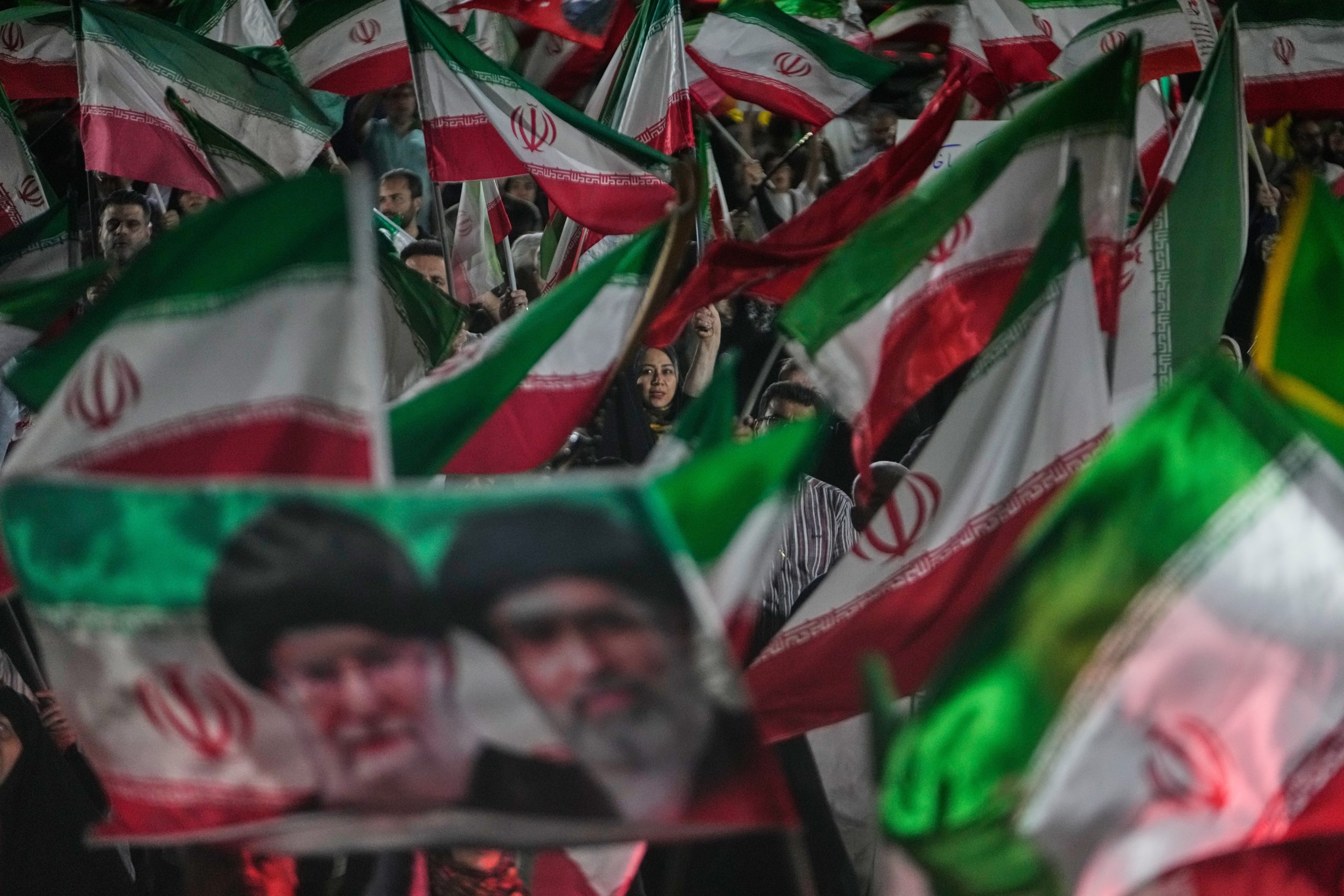
You can’t forget Iran’s perspective here either. From Tehran’s vantage point, these blockades aren’t just economic pressure; they’re an infringement on its sovereign rights and a collective punishment of its population. They’ve long declared any restrictions on their trade as unlawful. And don’t imagine this strike will pass without some form of rhetorical—or perhaps even material—response from the Revolutionary Guard or its proxies. We’ve seen Trump’s Iran Gambit play out in ways that escalate tensions, and this latest move feels like another knot tightening.
The global shipping industry, already navigating everything from pandemic-induced supply chain woes to Houthi attacks in the Red Sea, probably just sighed collectively. According to data from maritime analytics firm Lloyd’s List Intelligence, disruptions in key choke points, including the Strait of Hormuz, led to an average 8% increase in insurance premiums for commercial vessels transiting the region over the past year. That’s a direct cost borne by businesses — and ultimately, by you and me, at the gas pump or grocery store. It’s a reminder that distant geopolitical spats aren’t just for the front page; they hit your wallet.
This incident also has a distinct echo across the broader Muslim world, particularly in South Asia. Nations like Pakistan, heavily reliant on Middle Eastern oil and global trade routes, watch these developments with bated breath. Any significant disruption in the Gulf or Red Sea, even a localized strike, instantly escalates energy prices, exacerbates inflation, and throws already struggling economies into further turmoil. Pakistan’s government, grappling with its own internal financial quagmire, simply can’t afford increased freight costs or commodity shocks driven by distant American-Iranian friction. It’s not an abstract concern for them; it’s an existential one.
The diplomatic chessboard looks even more convoluted. The US move signals a continued commitment to its deterrence strategy against Iran. But it also risks miscalculation. It’s not hard to imagine a situation where a similar encounter takes a deadlier turn, sucking in other regional players and perhaps even prompting some less-than-calm reactions. Nobody wants a shooting war over a tanker full of unknown cargo, but that’s precisely how these things can sometimes snowball. Washington maintains its actions were defensive, asserting its right to enforce international mandates and ensure stability, saying it was upholding freedom of navigation. Iranian counterparts have yet to provide detailed commentary on this specific incident, but past rhetoric suggests they’d characterize such actions as an act of piracy.
What This Means
This isn’t just about one struck ship; it’s a stark, public message. Firstly, it tells Iran—and any other nation thinking of circumventing international sanctions—that Washington’s enforcement arm isn’t just for show. There’s a direct physical consequence, which elevates the game from diplomatic skirmishes to direct tactical engagements. This increases the stakes dramatically. Secondly, it sends shivers down the spine of the global shipping industry. For many firms, the cost-benefit analysis of trying to slip through a blockade might just have swung definitively into the ‘too risky’ column. You can bet captains and logistics managers are looking at revised charts right about now, charting safer—but almost certainly longer and more expensive—courses.
Economically, expect marginal, but present, inflationary pressures to continue on oil prices — and maritime insurance. Small incidents add up. Politically, this complicates any faint hope for renewed US-Iran diplomacy, digging both sides deeper into their respective hardened positions. For nations like Pakistan, caught between these superpowers and dependent on regional stability, it’s yet another headache. They’re left scrambling for alternative supply chains, watching energy costs tick up, and praying this localized action doesn’t metastasize into something much, much bigger. Because when big powers clash in a contested waterway, it’s often the smaller players, the ones just trying to keep the lights on, who bear the real brunt.