


Manzano Mountains Flare: A Lone Acre’s Spark Ignites Broader Climate Concerns
POLICY WIRE — MOUNTAINAIR, N.M. — It started, as so many things do these days, small and with an undetermined cause. A solitary acre, give or take, scorched somewhere off a backroad in New...

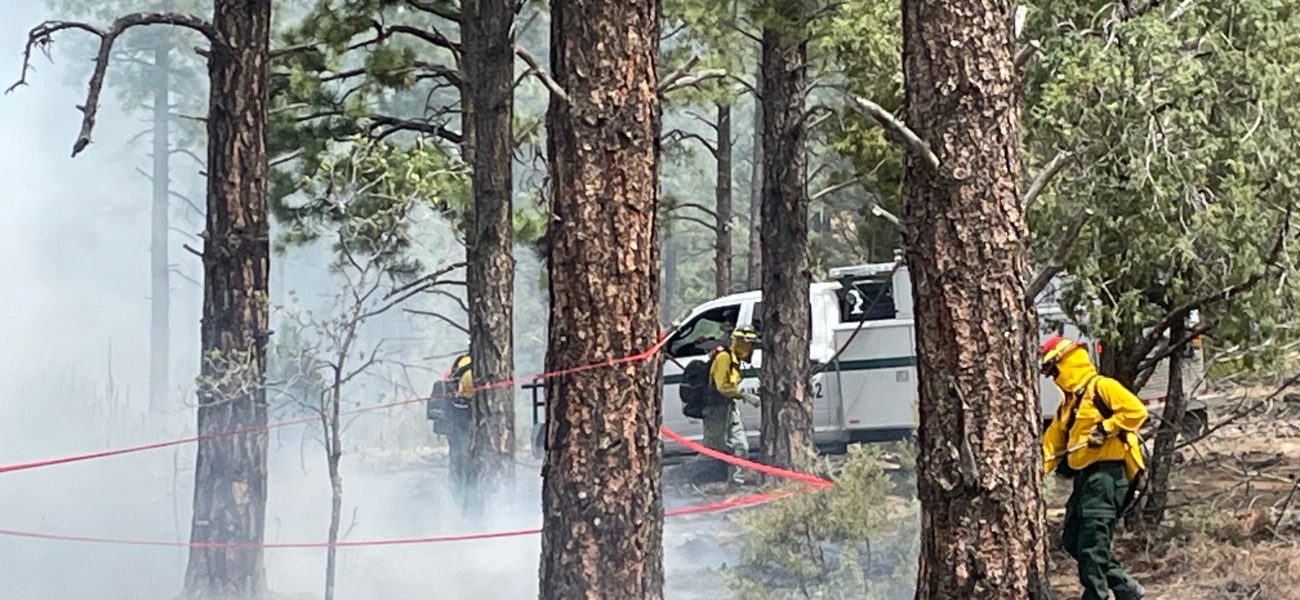
POLICY WIRE — MOUNTAINAIR, N.M. — It started, as so many things do these days, small and with an undetermined cause. A solitary acre, give or take, scorched somewhere off a backroad in New Mexico’s Manzano Mountains. The Canon del Terrero Fire, a flicker within the sprawling Cibola National Forest, wouldn’t typically warrant much more than a local bulletin. But these aren’t typical times, are they?
No, this particular patch of smoldering timber, discovered just Monday, northwest of the blink-and-you-miss-it settlement of Tajique, quietly narrates a much larger, more disquieting saga playing out across the American Southwest – and indeed, the world. Firefighters, a grimly familiar sight here, moved with practiced efficiency. Three US Forest Service (USFS) Type 6 engines, a single Torrance County unit, and a trusty water tender got right to it. Their strategy: direct extinguishment. Cut it off. Suffocate the flame. A relatively simple job for seasoned crews, even when nature throws a dry forest at ’em.
But the very landscape that cradles this minor blaze—parched, ancient, and ever more susceptible—belies its initial calm. They say the fire showed “low to moderate fire behavior.” And that it was “burning in timber within an area that has previously been treated.” Pre-treated. Think about that for a second. An area prepped, pruned, cleared to mitigate the very risk now staring them down. It’s a cruel punchline in a dark environmental comedy. Even the best-laid plans of forest management, it seems, can’t always trump a spark — and a bone-dry landscape.
Because ultimately, a little spot fire is a warning, a constant drip in the relentless climate change faucet. It’s what keeps folks like Ranger Anya Sharma, a 15-year veteran with the USFS based out of nearby Albuquerque, up at night. “We’re good at this; our crews are exceptional,” she told Policy Wire, her voice carrying the weariness of too many seasons spent battling embers. “But every single incident, no matter how small, adds to the cumulative strain. We can treat all the forests we want, but if the underlying conditions get drier, hotter, year after year, it’s like putting a band-aid on a gushing wound.” She’s got a point. She often does.
And you’ve gotta wonder, how many ‘treated’ areas remain so precariously balanced? No immediate threat to communities, the officials reassure us. No evacuations. Not this time. But the quiet certainty in those statements feels a bit like whistling past the graveyard, doesn’t it? The blessing for now comes in the form of a 70% chance of showers, maybe a thunderstorm. The heavens might just intervene. Temps are set to fall, clouds roll in. A temporary reprieve. Nature’s a fickle mistress; she brings the fire, then, sometimes, she brings the rain.
The implications of these fires, small or large, ripple beyond the immediate scorched earth. The US experienced 7,921 wildfires in April 2024 alone, a stark 61% increase from the previous April, according to the National Interagency Fire Center (NIFC). Those aren’t just statistics; they’re symptoms. And this isn’t just America’s problem. Just look at the summer of 2022, when scorching heatwaves sparked widespread, devastating blazes across Balochistan, Pakistan – destroying millennia-old juniper forests and displacing hundreds. The conditions, the desperation, the overwhelming challenge—they mirror what we see here. The interconnectedness of our planet’s struggles is becoming undeniably obvious, whether it’s drought in the American Southwest or disappearing glaciers in the Himalayas.
What This Means
This little fire in the Manzanos isn’t just a local news item; it’s another flickering red light on the dashboard of our climate reality. From an economic perspective, every fire, no matter how tiny, drains resources. Firefighting isn’t cheap. Each engine, each crew, every gallon of water – it all adds up. And that’s money that isn’t going to proactive mitigation or economic development. Politically, these incidents intensify the pressure on elected officials. They face a relentless bind: fund immediate emergencies, or invest in long-term, politically difficult preventative measures that don’t deliver immediate applause? It’s the classic short-term gain vs. long-term survival calculus.
But there’s more to it than just dollars — and cents. These persistent threats also reshape human perception of the land itself. A wilderness once seen as endless is now increasingly fragile, flammable. That changes how people build, where they build, — and what risks they’re willing to live with. As New Mexico Senator Ben Ray Luján often reiterates, even from Washington, “We understand the delicate balance between preserving our natural heritage and protecting our communities. The increasing frequency and intensity of these weather events demand a robust, bipartisan response. We can’t keep just hoping for rain; we have to adapt and invest in genuine resilience.” It’s not a grand declaration, but a plea for pragmatism in the face of daunting challenges.
It’s clear now, isn’t it? From a single acre in the high desert of New Mexico to the far-flung reaches of South Asia, where global efforts, like those detailed in Germany’s investment in Pakistan’s green future, desperately try to push back against environmental decay, the story’s much the same. A planet under stress. And we’re all just trying to keep the flames from jumping the line.