


Luxury Ride, Legal Reckoning: High-Profile Athlete Faces Scrutiny After Dispatch Audio Surfaces
POLICY WIRE — Green Bay, Wisconsin — The gleaming Mercedes G-Wagon often serves as a symbol of status, power, a silent declaration of arrival. In Green Bay, though, its white-glove aura was...

POLICY WIRE — Green Bay, Wisconsin — The gleaming Mercedes G-Wagon often serves as a symbol of status, power, a silent declaration of arrival. In Green Bay, though, its white-glove aura was apparently punctured last Saturday, transformed into something far more ignominious: a possible getaway vehicle from an alleged domestic dispute. It’s a jarring image, frankly—one that twists the narrative from the gridiron’s rough-and-tumble into something altogether more disquieting, pulling back the curtain on how privilege can complicate even the most straightforward of legal inquiries.
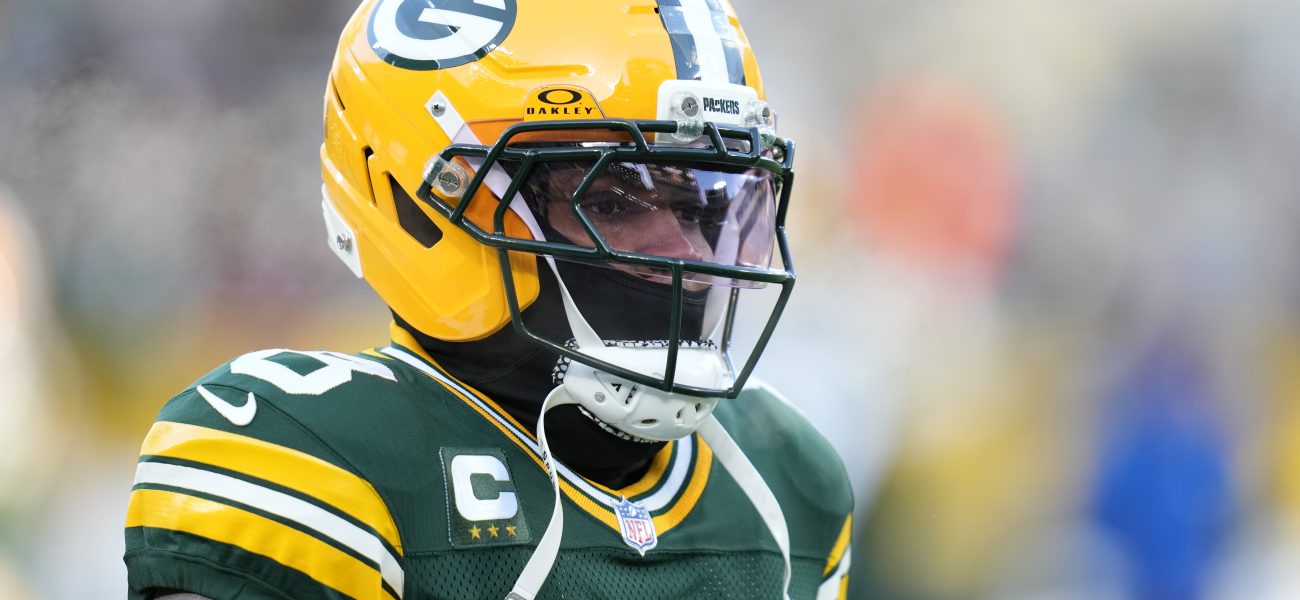
Josh Jacobs, the Packers’ prominent running back, now finds himself caught in this uncomfortable spotlight. The incident unfolded over the weekend, spiraling into a Tuesday surrender at local police headquarters after dispatch audio from a disturbance at his residence surfaced. That Saturday morning, emergency responders were scrambled. Multiple calls came in; a woman needed help, — and then, a neighbor echoed the alarm. Both calls painted a picture of distress. Things, it seems, were out of control. [QUOTE_PLACEHOLDER]
According to TMJ4 in Milwaukee, the incident escalated quickly, triggering the 911 calls. The raw dispatch audio, which they secured and made public, offers a fragmented yet stark window into the alleged chaos. One neighbor, whose identity remains obscured, reportedly claimed there was yelling, screaming, and ‘things being thrown’ at Jacobs’ home on Saturday morning. This isn’t exactly the kind of highlight reel footage anyone wants associated with their name. And then, another neighbor chimed in later, alleging the victim, whose name was withheld, was assaulted. Details are still foggy, but the underlying tension is palpable.
Crucially, dispatchers heard that the man involved in the incident drove away in a Mercedes G-Wagon before first responders arrived. The visual evidence supports this claim. WBAY in Green Bay later got footage of Jacobs’ home on Wednesday, where a G Wagon sat in the driveway after he was released from jail. It was a tangible connection, the kind of small, undeniable detail that often undercuts even the most carefully constructed defenses.
Jacobs, to his credit (or perhaps on legal advice), turned himself in. He did that on Tuesday, days after the Saturday incident. Why the delay? The timing of Jacobs apparently leaving the scene can help explain why he turned himself in on Tuesday, rather than being arrested on Saturday morning. It makes sense, really. Cops can’t arrest a ghost, or a guy in a high-end SUV doing a runner, anyway.
By Wednesday, he was released. No official charges had been filed by Brown County prosecutors. Instead, the district attorney requested additional investigation before deciding on whether to charge Jacobs or not, stating, ‘there’s reason to believe that additional evidence may exist.’ This deferral isn’t uncommon, particularly in high-profile cases. But it does leave the player in an unsettling judicial limbo, with his future hanging in the balance, a pending ‘charge or not charge’ scenario that could define his immediate career trajectory.
The broader context here is significant. Domestic disturbances are a tragically common occurrence. Data from the FBI’s Uniform Crime Reporting (UCR) Program indicates that around 1.5 million people in the U.S. annually fall victim to intimate partner violence. It’s a relentless issue, one that doesn’t discriminate based on income or fame. But for public figures, the fallout is uniquely magnified. Every movement, every legal maneuver, becomes fodder for public consumption—and, often, judgment.
📄 POLICY WIRE WHITEPAPER PUBLISHED: PAKISTAN'S NATIONAL SECURITY POLICY PRIORITIES
👉 READ BY CLICKING HEREConsider how such matters are handled globally. In Pakistan, for instance, high-profile cases, especially those involving public figures or political elite, often navigate a complex legal landscape influenced by both British common law traditions and Islamic jurisprudence, sometimes creating very different pathways to justice or public perception than seen in the U.S. Legal systems across the Muslim world often face unique societal and religious pressures when dealing with allegations against powerful individuals, highlighting a universal challenge in maintaining equitable justice regardless of stature. It’s not always simple, is it?
Jacobs’ current situation, however, remains squarely in the American legal system’s domain. Both police — and first responders (an ambulance) responded to the incident after Jacobs allegedly fled the scene. What evidence exists beyond the audio? And just what will this ‘additional evidence’ the district attorney believes may exist truly reveal? It’s a waiting game now, — and for Jacobs, a perilous one. His reputation, his career, even his liberty—it’s all riding on this extended investigation. The quiet hum of that G-Wagon has never sounded louder.
What This Means
This incident, still simmering in its pre-charge phase, spotlights several critical dimensions for both the National Football League (NFL) and the broader legal system. For the NFL, the mere allegation, especially involving a domestic incident, triggers a standard operating procedure under its personal conduct policy. They don’t typically wait for criminal charges to drop. We’ve seen it time and again, they often implement their own investigations, potentially leading to immediate disciplinary action, regardless of Brown County’s eventual decision. The league’s public image, constantly under scrutiny, can’t afford perceived leniency in such matters.
But the judicial delay itself raises questions, too. Requesting additional evidence, while standard practice for complex cases, prolongs the uncertainty. It provides breathing room for the defense, yes, but it also casts a longer shadow over the accused, making it harder for teams, sponsors, and even fans to move forward. This ambiguity is an old trick in the book, really. It gives stakeholders time to gauge public sentiment, maybe even strategize. From an economic standpoint, Jacobs’ marketability takes a hit—sponsorships might evaporate, future contract negotiations become fraught. This kind of off-field drama always drains value, a quiet financial bleed often underestimated. It isn’t just about fines or suspensions; it’s about the cumulative impact on an athlete’s entire commercial ecosystem.
this scenario illuminates the continued struggle for equitable treatment in the legal sphere, particularly when high-profile individuals are involved. The initial dispatch, the flight, the subsequent turn-in rather than immediate arrest—these details, however legally justifiable individually, often fuel public cynicism about a two-tiered justice system. We’re all supposed to be equal under the law, right? The price of public penance is steep, but it’s often navigated differently for the wealthy and connected. This is a story about a football player, sure, but it’s really about the mechanics of power, influence, and the justice system’s ever-unfolding narrative—one that we see reflected in varied forms globally, even down to the intricacies of how governmental accountability can sometimes falter under the glare of public expectation.