


Millionaires Rescue Northern Irish Cricket Legacy
EuroMillions winners saved Sion Mills Cricket Club's historic ground, ensuring its future after 162 years. A tale of philanthropy & community survival.

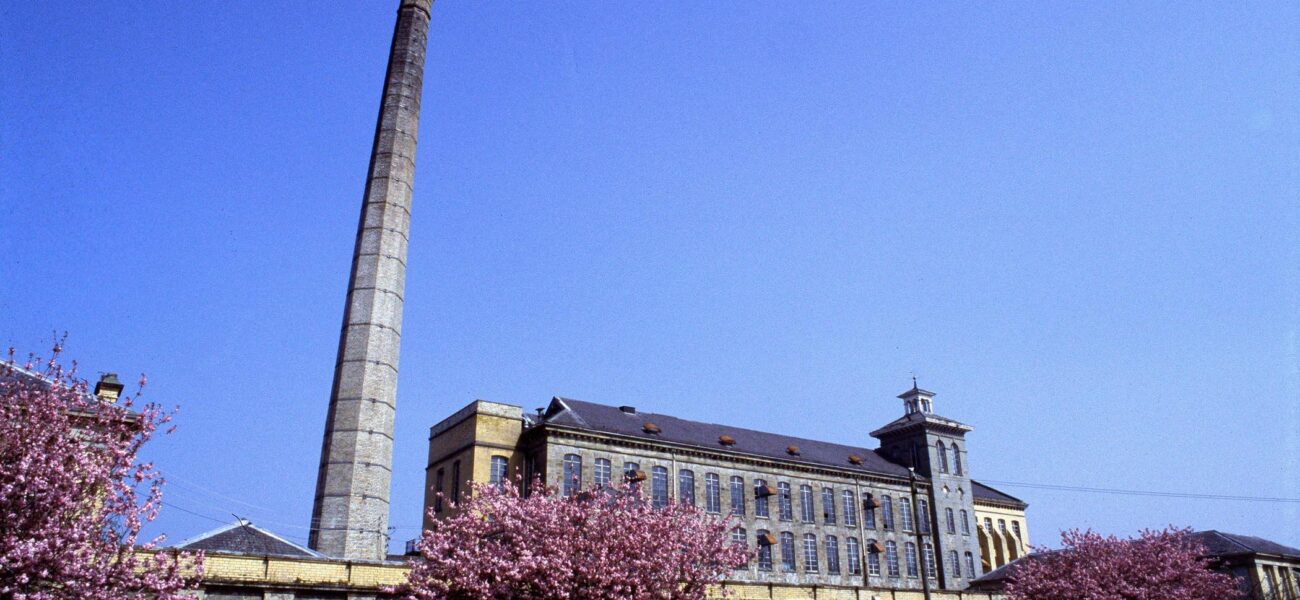
POLICY WIRE — Tyrone, Northern Ireland — The ghosts of textile mills and the faint thwack of leather on willow have long defined Sion Mills, a sliver of County Tyrone where industry once boomed, then quietly expired. For over a century and a half, one particular cricket pitch remained—a verdant anachronism, a legacy of the old mill owners, though its future seemed as threadbare as some of the club’s well-worn pads. But sometimes, salvation arrives not from governmental grand plans or corporate benefactors, but from the most improbable of places: a lottery ticket. A jackpot, to be precise, providing a stark reminder that even in an age of calculated policy, sheer serendipity sometimes remains the most potent force for local community survival.
It wasn’t quite a ‘Hollywood ending’ (they don’t usually involve lottery winners in the credits), but earlier this week, Sion Mills Cricket Club officially secured ownership of the Holm Field. This is no ordinary playing field. It’s a place steeped in the kind of sporting lore that enthusiasts discuss in hushed tones over lukewarm tea—the very ground where Ireland, in 1969, achieved one of its most remarkable feats: famously beating the West Indies. That was then; now, the challenge wasn’t just defeating an opponent, but time itself, and a tangled web of ownership that dated back to 1864, when local mill owners first laid out the turf. [QUOTE_PLACEHOLDER]
Club secretary Simon Galloway, reflecting on the arduous journey, called it a “huge day, a momentous day for the cricket club.” You could almost hear the relief in his voice. The club had been on a torturous path to ownership for years, hitting all sorts of snags: “different legal complications and checks and searches and different things.” There’d been plenty of “false dawns”, and times when “we thought we were close to getting things over the line.” But, finally, it was done. “We able to sign on the dotted line.. and officially announce the purchase and ownership of the grounds after 162 years,” he stated, the duration itself a staggering marker of institutional patience.
This improbable rescue comes courtesy of Frances and Patrick Connolly, EuroMillions winners who netted a staggering £115 million in 2019. From that colossal sum, they’ve been methodically giving away more than half to various causes through foundations, including the Kathleen Graham Trust, named in memory of Frances’ mother. Their philanthropy isn’t merely about writing cheques; it’s about deep, localised impact, especially in areas like Sion Mills, where Frances has family connections.
The club had already faced its share of adversity. When the Herdman’s Mill, which once employed more than 1,000 people in the village (Source: Original content via BBC), ceased operations, the club had to “become self-sufficient.” But without owning its home ground, it was hobbled, unable to apply for “grants and things that can make differences to facilities and to youth development.” Owning the land changes everything, opening those pathways. “That will help us build for the future and secured it hopefully for at least another 162 years,” Galloway expressed, hoping the new deed offered double the staying power.
And it’s not just the cricketers. The local football outfit, Sion Swifts FC, also got a hand, securing their ground, The Brae, this week with support from the same trust. Club chairman Kevin Boyle’s excitement about their “ambitious plans” for new pitches and floodlights echoes the optimism now permeating the village. This isn’t just about sport; it’s about reaffirming identity for communities clinging to their history in a rapidly modernizing world. This form of localised investment—where wealth is channelled directly into community infrastructure—serves as a fascinating counterpoint to state-sponsored projects or the more corporate philanthropies typically observed.
📄 POLICY WIRE WHITEPAPER PUBLISHED: PAKISTAN'S NATIONAL SECURITY POLICY PRIORITIES
👉 READ BY CLICKING HEREWhat This Means
The tale of Sion Mills isn’t merely a quaint sporting anecdote. It’s a lens through which to view the brittle state of grassroots organisations and heritage institutions in many regions today, particularly those in areas post-industrial decline. Governments, often stretched thin by competing demands, find it increasingly difficult to prioritise the upkeep of such local assets. Enter the lottery winner—a modern-day deus ex machina, or perhaps, a much-needed injection of private capital where public funds are scarce.
This situation underscores a peculiar policy dilemma: how much should the vitality of community spaces rely on random acts of kindness, however significant? It poses questions about the economic underpinnings of community sports, — and really, civic pride. Across the globe, from the English shires to the dusty maidans of Lahore or Karachi, the cricket club has often served as a social anchor. But without a tangible asset base—land ownership being primary—these anchors can drift. The game of cricket itself, originally a colonial export, has found an ardent, almost religious following in South Asia. Yet, even in places like Pakistan, community clubs often struggle for resources, with top-tier talent sometimes emerging despite, rather than because of, the grassroots infrastructure. This makes the predicament of a Northern Irish club, so intrinsically linked to the sport’s British Isles origins, strikingly universal. It suggests that community resilience, or a lack thereof, often hinges on the unexpected financial windfalls, rather than stable, systemic support.
But the Connollys’ actions provide a practical, if not entirely scalable, blueprint for revitalisation. It illustrates that immense private wealth, when directed thoughtfully and locally, can do what bureaucratic initiatives sometimes can’t: act quickly, with minimal overhead, and maximum immediate impact. Their investment in both the cricket and football clubs helps not just with physical infrastructure but fosters youth development and offers a future for local sport. See more on the dynamics of money and local economies in sport by reading Policy Wire’s recent piece on The Price of Ambition: Bourque’s Predators Deal Illuminates Global Talent Economy. For communities in places like Sion Mills, this kind of individual philanthropy isn’t just charity; it’s a recalibration, a lifeline tossed precisely when it was most needed, and a poignant reminder that while industry fades, community spirit, given a chance, very rarely does.