


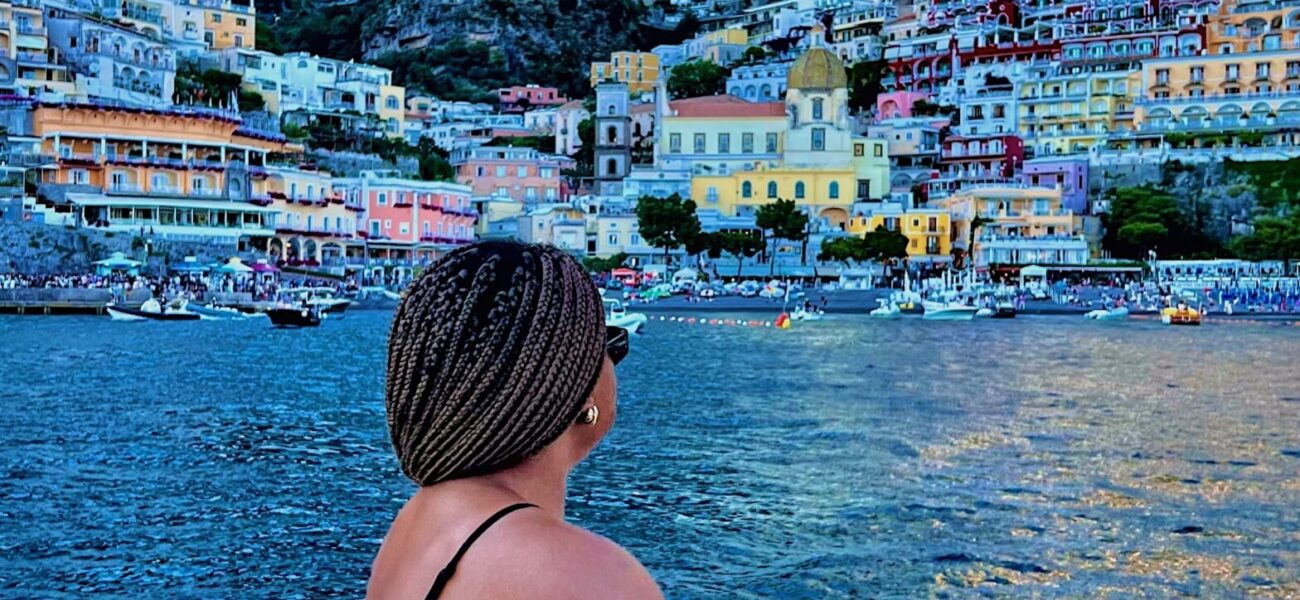
Lemon Groves and Geopolitical Drift: Italy’s Iconic Coastline Navigates the Murky Waters of Elite Tourism
POLICY WIRE — Rome, Italy — It wasn’t the famed azure waters or the precarious cliffside villages that snagged the attention of seasoned observers recently, but the decidedly un-picturesque...

POLICY WIRE — Rome, Italy — It wasn’t the famed azure waters or the precarious cliffside villages that snagged the attention of seasoned observers recently, but the decidedly un-picturesque piles of regulations gathering dust in regional planning offices. On Italy’s coveted Amalfi Coast, the scent isn’t just of lemons anymore; it’s a pungent mix of diesel fumes, old money, and bureaucratic inertia, all simmering under a sky many are starting to fear is a bit too warm.
Because, make no mistake, this stretch of UNESCO-protected paradise isn’t just a destination for your Instagram feed. It’s a high-stakes arena where the crushing weight of global luxury tourism—and the money it brings—clashes violently with ecological fragility, local sentiment, and some truly spectacular urban planning headaches. You’d think the Italians, masters of living with historical constraint, would have a handle on it. And they don’t, really. Not yet.
Local authorities are scrambling, perpetually it seems, to manage an annual influx that dwarfs the region’s permanent population several times over. Boats clog the coves. Cars crawl the narrow roads, turning ‘scenic drives’ into multi-hour endurance tests. “We’re talking about millions of people each year descending on a very finite, very delicate ecosystem,” stated Giuseppe Rossi, the ever-exasperated head of the regional environmental agency, in a rather frank moment over espresso. “It’s a blessing, sure. But it’s also a slowly tightening noose for the infrastructure and, frankly, our way of life.” His hands flew up. Italians do that.
The economic logic, of course, is undeniable. Tourism pumps serious cash into Italy’s coffers, accounting for about 13% of its GDP annually, according to the Italian National Institute of Statistics (ISTAT) data from 2023. But much of that trickles into the hands of international conglomerates or local magnates, often leaving the day-to-day burdens to a workforce struggling with seasonal contracts and eye-watering rental prices that locals can’t touch. And then there’s the perception: for many, this isn’t quaint Italian charm, it’s an amusement park for the absurdly wealthy.
But the story of the Amalfi Coast isn’t an isolated one. Not at all. It’s a stark preview, a glossy, albeit stressed, billboard for the broader global challenge of balancing aspiration with environmental realities. Consider coastal communities from the sun-drenched beaches of Pakistan to the crowded waterfronts of Southeast Asia. They eye destinations like Amalfi — the epitome of luxury coastal leisure — with a mix of envy and a fierce determination to replicate the economic bonanza. But often, they’re staring down the same barrel of climate change and overdevelopment, without anything near Italy’s safety nets or regulatory capacity. Think about the nascent tourism industries along the Makran Coast, still finding their footing; they’ll face these exact quandaries, possibly on a hotter, more volatile planet, and a lot sooner than anyone might predict. It’s a cruel kind of global echo.
📄 POLICY WIRE WHITEPAPER PUBLISHED: PAKISTAN'S NATIONAL SECURITY POLICY PRIORITIES
👉 READ BY CLICKING HEREPolitically, Rome walks a tightrope. On one side, there’s the undeniable allure of the tourism euro. On the other, the rumblings from local constituencies, the environmental watchdogs—and increasingly—the international community demanding more sustainable practices. But whose sustainability, exactly? And at what cost to the small trattoria owners who just need to make ends meet? Italian Tourism Minister Elara Mancini, always poised, always diplomatic, offered a slightly sunnier take. “We’re dedicated to sustainable growth, certainly. Italy’s cultural patrimony demands it. We’re investing in smart transportation, digitalizing permits—measures that respect both our guests and our precious heritage.” She said ‘heritage’ with the air of someone selling high-end real estate, not protecting crumbling cliffs. That’s politics.
And those crumbling cliffs, they’re literally crumbling. Coastal erosion, exacerbated by less predictable weather patterns, is a serious, expensive threat. Development decisions made decades ago now look laughably short-sighted, like tiny matchboxes glued to precipices. Who pays for the seawalls? Who shoulders the clean-up when a mudslide takes out a prized vineyard? That’s when the polite calls for ‘sustainable tourism’ suddenly turn into fierce budget debates. It isn’t just the tourists who are getting squeezed; the land itself is.
What This Means
The ongoing struggle to manage the Amalfi Coast’s immense popularity offers a chilling forecast for policy makers globally, particularly in nations just beginning to tap their own natural wonders for economic gain. We’re not just talking about Italy; it’s a dress rehearsal for coastal nations everywhere—especially those in vulnerable regions with nascent infrastructure—on the brink of grappling with the dual pressures of economic aspiration and ecological collapse. The challenges here boil down to an uncomfortable question: how much economic ‘boom’ can an environment, or a local community, truly bear before it transforms from picturesque idyll to an uninhabitable caricature? The current approach, a kind of reactive band-aid application over arterial wounds, isn’t cutting it. It’s forcing a re-evaluation of tourism as an unalloyed good. And it exposes the gnawing dilemma for sovereign governments: cash or coastline? A political tightrope, indeed, with increasingly fewer footholds.