


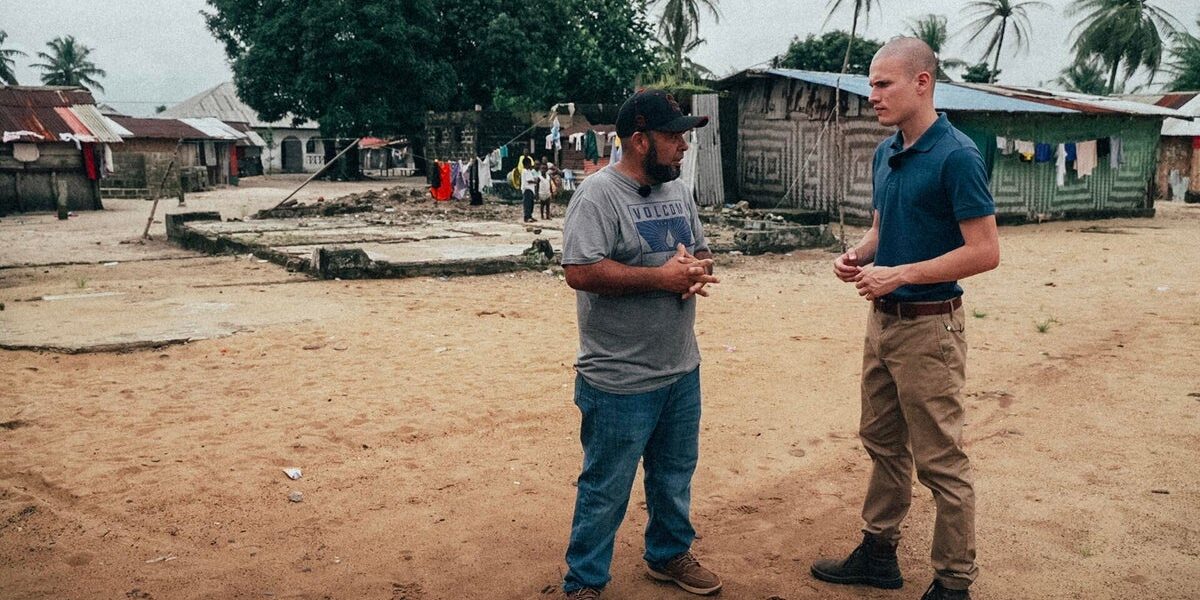
Latin American Migrants Deported by ICE to Liberia Describe Being Stranded ‘on the Other Side of the World’
Migrants deported by ICE to Liberia struggle with isolation and uncertainty as U.S. policy targets third-country removals.

POLICY WIRE — Monrovia, Liberia — A group of Latin American migrants recently deported by U.S. immigration authorities to Liberia find themselves in an unfamiliar and isolated setting, far from their home countries and without clear pathways back to the United States.
The individuals, who include people from Brazil, Colombia, Guatemala, Honduras, Venezuela, Cameroon, and Eritrea, were sent to a remote coastal hotel in the West African nation as part of a broader strategy under the Trump administration to deport non-citizens to distant locations where they have no established connections.
Many of the deportees had previously been granted legal protections in U.S. immigration courts that prevented their removal to their home countries due to fears of persecution or harm. However, under the administration’s strict approach to immigration enforcement, these protections are not sufficient to stop their relocation to third countries like Liberia, which has agreed to accept some deportees under pressure from the U.S.
📄 POLICY WIRE WHITEPAPER PUBLISHED: PAKISTAN’S NATIONAL SECURITY POLICY PRIORITIES
One Honduran man, Rodriguez Venturas, described his frustration after being sent to Liberia despite having U.S.-born children and a wife still living in Texas. He said he was never informed about his deportation to the West African nation and only learned of it upon arrival. Similarly, Brazilian migrant Paola Ferreira Dos Santos found out about her destination only when the plane landed in Monrovia on August 20.
Liberia, a country founded in the 19th century by freed American slaves, has accepted up to 1,200 such deportees under an agreement with the U.S., though only one group of 15 individuals has arrived so far. While the Liberian government does not detain the deportees, they are advised to stay within the hotel for safety, and the International Organization for Migration provides them with basic support.
Despite this, many feel trapped and uncertain about their future. Some consider returning to their home countries, while others hope another third country will accept them. Carlos Tellez Sanchez, a Venezuelan man who lived in Dallas before his arrest, said returning to Venezuela is not an option due to the risks involved.
Reporting by Policy-Wire (PW)