
Lambeau Field’s Annual Ritual: Decoding the Commercial Theology of ‘Family Night’
POLICY WIRE — Green Bay, USA — Call it a public practice, call it a civic obligation—but don’t, for a moment, mistake Green Bay’s annual ‘Family Night’ for a simple kick-off...

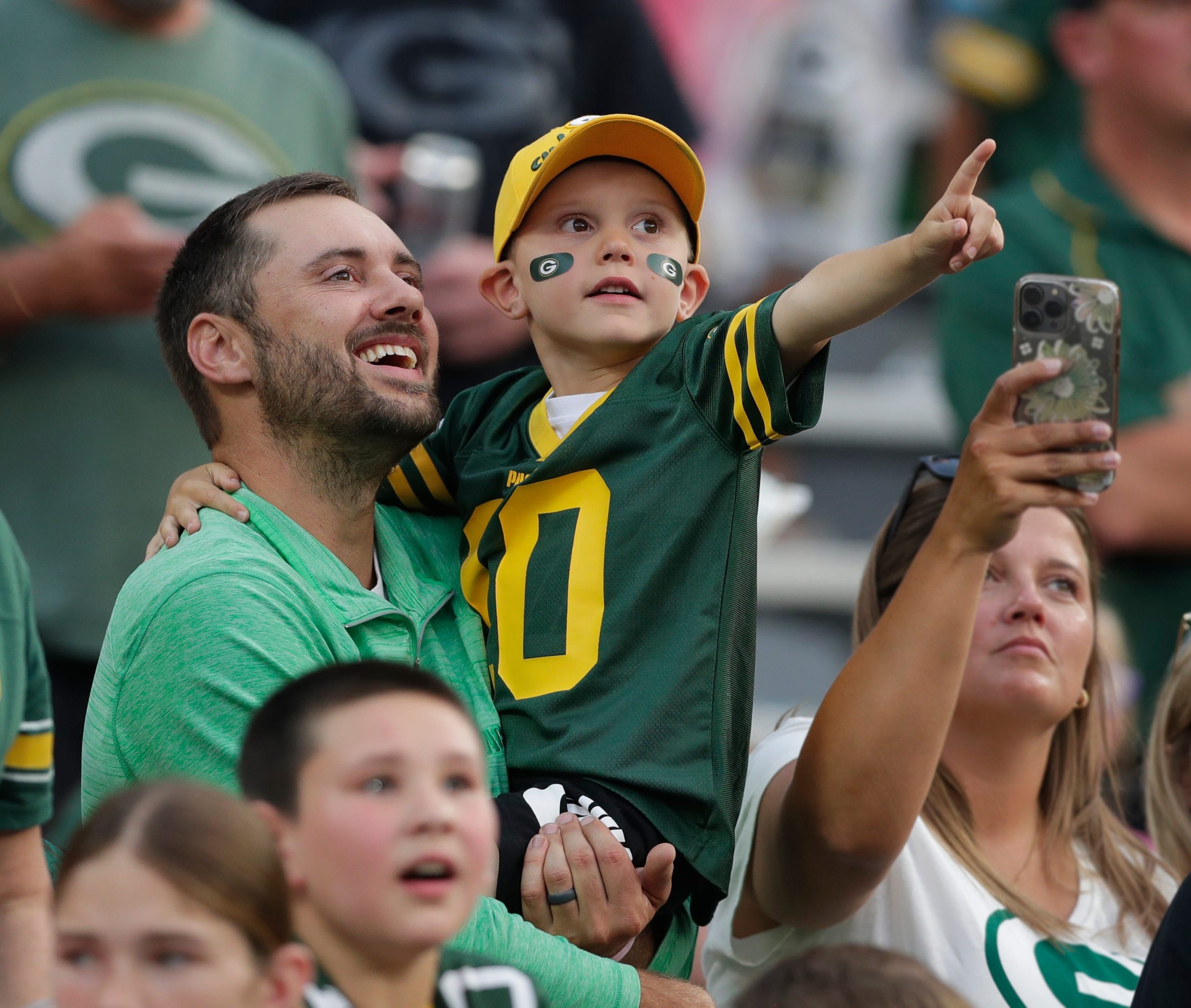
POLICY WIRE — Green Bay, USA — Call it a public practice, call it a civic obligation—but don’t, for a moment, mistake Green Bay’s annual ‘Family Night’ for a simple kick-off to football season. This isn’t just about young players jogging through drills. No, this is an intricate ritual, a carefully staged act of commercial theology, annually performed under the colossal shadow of Lambeau Field. For a dozen bucks—a sum that, incidentally, barely buys a lukewarm bratwurst inside the stadium these days—you’re invited into the fold, a participant in the hallowed rite of brand reinforcement. It’s a testament to the franchise’s economic power, and perhaps, its enduring ability to conflate consumerism with community.
Because come August 7, just after dusk, thousands will trek to Lambeau, wallets slightly lighter, anticipations gently stoked. The program, announced with all the solemnity of a diplomatic summit, promises thundersticks and fireworks—a multisensory assault designed to embed brand loyalty deep within the familial psyche. They’ll call it a ‘full training camp practice,’ yet every detail, from the specified gate times (5:30 p.m.) to the digital-only ticket requirement, suggests less an impromptu scrimmage and more a precisely orchestrated financial instrument. You don’t get $12.42 tickets (that’s after taxes, naturally) without someone somewhere carefully crunching the numbers. And those numbers, even for what amounts to a glorified open house, are considerable.
“We’re not just selling tickets; we’re selling the feeling of being part of something bigger, an extended family,” quipped Mark Murphy, President and CEO of the Green Bay Packers, in a statement surely prepared by a seasoned PR team. “It’s about community, about reconnecting generations with the team they love.” A noble sentiment, no doubt, but the community’s contribution doesn’t stop at ticket sales. Parking passes, at $5.16 a pop (fees included, again), funnel funds directly into local charity programs, neatly sidestepping direct public tax contributions and allowing the franchise to leverage its charitable giving for further good optics. It’s a smart play; they’re not just feeding hungry families through Paul’s Pantry or the Salvation Army; they’re reminding you who truly fuels the local economy. And they do it with surprising efficacy.
But how, one might ask, does a localized American football exhibition resonate on a broader scale, beyond the cornfields of Wisconsin? The answer, as it so often is, lies in the globalization of spectacle. American sports franchises, especially NFL powerhouses like the Packers, possess a branding reach that transcends national borders, cultivating an almost cult-like following across disparate cultures. Much like the ubiquitous nature of cricket in South Asia, where loyalties often cleave along regional and even family lines, the NFL has quietly—or not so quietly—become a global cultural export. Think of the Pakistan Super League, which similarly binds communities through the shared ritual of competition, drawing in millions, both locally and through diaspora. For many abroad, American football, despite its esoteric rules, symbolizes a slice of American life, a commercial ideal replicated across vast, disparate markets.
Take, for instance, the sheer fiscal momentum of the NFL itself. The league reported a staggering 18.6 billion USD in revenue for the 2022-2023 season, a figure that dwarfs the GDP of many smaller nations, according to a recent analysis of sports economics. A sliver of that global revenue pie, naturally, finds its way back to locales like Green Bay. Councilwoman Anya Sharma, representing Green Bay’s 4th District, acknowledged the intricate dance between team and town. “The Packers aren’t just a football team; they’re an economic anchor for our city, drawing visitors and their dollars,” Sharma stated during a recent town hall. “This annual event—even a practice—underscores just how interconnected our fortunes are.” They’re not wrong. The gravitational pull of the franchise generates hundreds of millions in regional economic activity each year; the economic studies on this are practically liturgy in Wisconsin’s financial planning offices.
What This Means
This annual ‘Family Night’ isn’t simply an informal run-through; it’s a meticulously crafted exercise in brand activation and local economic sustenance. From a policy standpoint, the franchise effectively privatizes certain public benefits (charity via parking, tourism) while leveraging a publicly owned stadium, making it a masterclass in hybrid corporate-civic partnerships. The sale of $12 tickets, often to thousands, transforms what might be an administrative cost (an open practice) into a revenue stream. But it’s more than just revenue; it’s an emotional investment that solidifies a crucial, unwritten social contract between the community and its multi-billion-dollar enterprise. This symbiotic relationship, where citizens effectively pay to partake in corporate events that then give back in controlled, philanthropic doses, is a microcosm of modern civic engagement through commercial platforms. It’s a soft power play, keeping the electorate happy, invested, and — perhaps most importantly — buying tickets and merchandise, regardless of whether they’re tuning in from Wisconsin or contemplating the global implications of quarterback contracts from Karachi. You really can’t argue with results.