


Kyiv Under Attack: Global Economic & Geopolitical Impact
A renewed barrage on Kyiv claims lives & shatters peace. Explore the far-reaching global economic and geopolitical consequences, from soaring energy prices to diplomatic deadlocks.

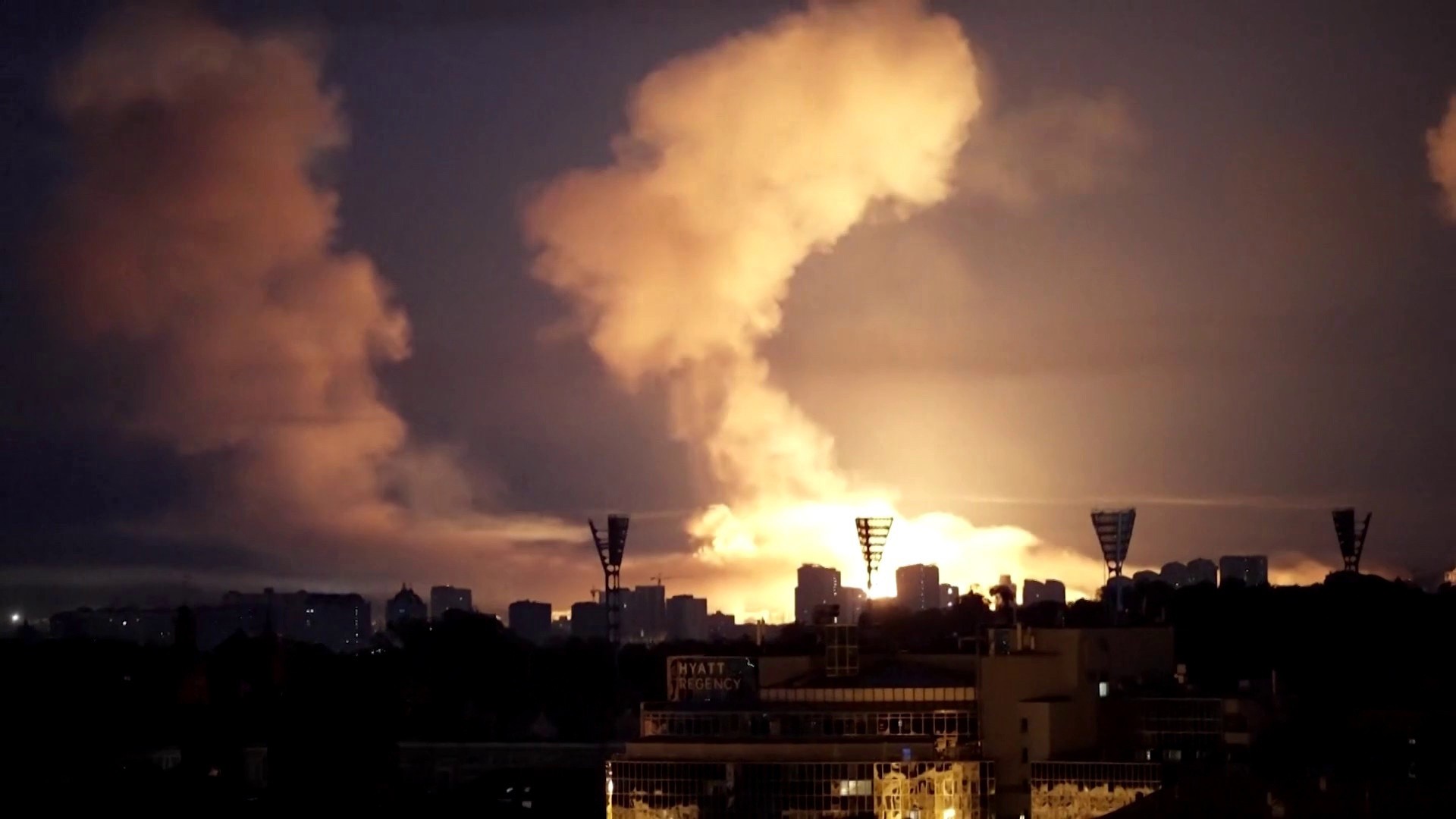
POLICY WIRE — Kyiv, Ukraine — You’d think the shock would wear off by now. You really would. But even after all this time, the thunderous impact of precision munitions ripping through apartment blocks and quiet neighborhoods still carries a sickening jolt, shaking more than just foundations—it rattles any lingering illusion of normalcy here.
It was another Tuesday, just like any other, until it wasn’t. Russia launched what officials described as a large-scale aerial attack on Ukraine’s capital, Kyiv, claiming the lives of nearly two dozen people and injuring many more. Imagine the sheer dread; sirens wail, then the terrible waiting, then the impact that splinters lives as much as concrete. It’s a familiar script, a brutal rhythm these folks have been forced to learn. But each repeat performance costs human breath, human hope. It’s never just statistics, is it? It’s always somebody’s son, somebody’s grandmother, somebody’s home now reduced to a grim, gaping wound in the cityscape. [QUOTE_PLACEHOLDER]
But the fallout? That goes way beyond the city limits. This ain’t just about Ukraine anymore—it hasn’t been for a long stretch. The world’s a tightly knit place, whether we like it or not, and what happens in Kyiv can feel a whole lot closer to Karachi or Cairo than some folks realize. The relentless violence keeps global supply chains twisted up, sending energy prices north. We’re talking about direct effects, you see. Those ripples keep spreading, particularly impacting nations already teetering on economic brink. And they’re tired, very tired.
Consider Pakistan, for instance. A country that’s been battling its own economic storms—a volatile currency, soaring inflation, and chronic energy woes—feels the distant rumble of every explosion in Ukraine. Rising crude oil costs mean higher import bills, pushing everything from petrol to power tariffs upwards. This doesn’t make for a happy populace. The World Bank reported in late 2023 that South Asia’s growth outlook is still navigating significant headwinds, partially driven by global economic uncertainties, which—let’s be clear—the Ukraine conflict heavily fuels. It means less money for everyone, more pain for the ordinary person. Pakistan’s government, like many others in the Muslim world that rely on imports, is caught between a rock and a very hard place, trying to insulate its citizens from global economic shocks while needing to maintain tricky diplomatic balancing acts.
Ukrainian authorities say they managed to intercept a good portion of the incoming ordnance, a testament, perhaps, to the improving, though imperfect, efficacy of their air defense systems. But even a few getting through? It’s enough. Just a handful of these things can obliterate entire blocks, extinguishing families. And the sheer scale of the coordinated assault points to Russia’s continuing strategy of attrition—wearing down the population, breaking spirits. It’s psychological warfare, really, played out on the grandest, most terrifying stage.
But what good does it do, ultimately? It deepens the international resolve to assist Ukraine, even as domestic support in some Western nations wavers. It drives a wedge even further between Russia and countries who’d rather stay neutral but find that impossible with pictures of burning apartment blocks plastered across their news feeds. It solidifies perceptions. But the costs—my God, the human costs. We’ve got to wonder where this cycle ends. We just have to. Because no amount of political maneuvering can ever bring back those nearly two dozen lives lost, or mend the shattered trust that this kind of horror leaves in its wake.
It’s a brutal conflict, a long slog that’s got the whole world watching, often through gritted teeth. There’s a constant struggle to grasp the full scale of it, — and a weariness that’s started to set in. Yet, the news keeps rolling, — and the devastation keeps mounting.
What This Means
This latest bombardment of Kyiv isn’t just another entry on a casualty count. Oh no, it’s a grim reinforcement of Russia’s strategic goals, signaling Moscow’s continued commitment to projecting power and destabilizing Ukraine, regardless of the humanitarian toll or international condemnation. For Ukraine, it’s a constant test of resilience and a dire call for sustained Western support—particularly advanced air defense systems. Kyiv’s ability to defend its skies isn’t just about protecting its citizens; it’s about maintaining political will and preventing a mass exodus that would further cripple its economy. The ongoing urban warfare, punctuated by these high-stakes aerial assaults, makes long-term recovery planning a cruel joke.
Economically, these strikes exacerbate the ‘war premium’ on global commodities, especially energy — and grain. That impacts vulnerable economies globally, far from the conflict zones, especially in developing nations and parts of the Muslim world that already deal with resource scarcity and inflationary pressures. It’s not a hypothetical domino effect; it’s tangible, immediate. Consider the inflationary pressures felt across North Africa or in Central Asia—often exacerbated by supply shocks tied directly to this conflict. Political stability in these regions can feel incredibly fragile when food — and fuel prices soar. Moscow, no doubt, is aware of these knock-on effects, hoping they weaken broader Western resolve by straining their allies and domestic populations.
This latest act of aggression also pushes diplomatic efforts further into a dead end. Each strike hardens positions, making any sort of negotiated settlement appear increasingly unlikely in the near term. For Washington and Brussels, it ratchets up pressure to not only maintain but intensify aid, balancing domestic political constraints against the stark humanitarian and geopolitical imperative to prevent a wider destabilization of Europe. They’re all trying to keep their own domestic houses in order while this catastrophe plays out.