


King Charles III Convenes Tech Leaders to Address Artificial Intelligence Risks
King Charles III meets with OpenAI, Google DeepMind, and Nvidia executives in Scotland to discuss AI safety, human-centric development, and global risks.

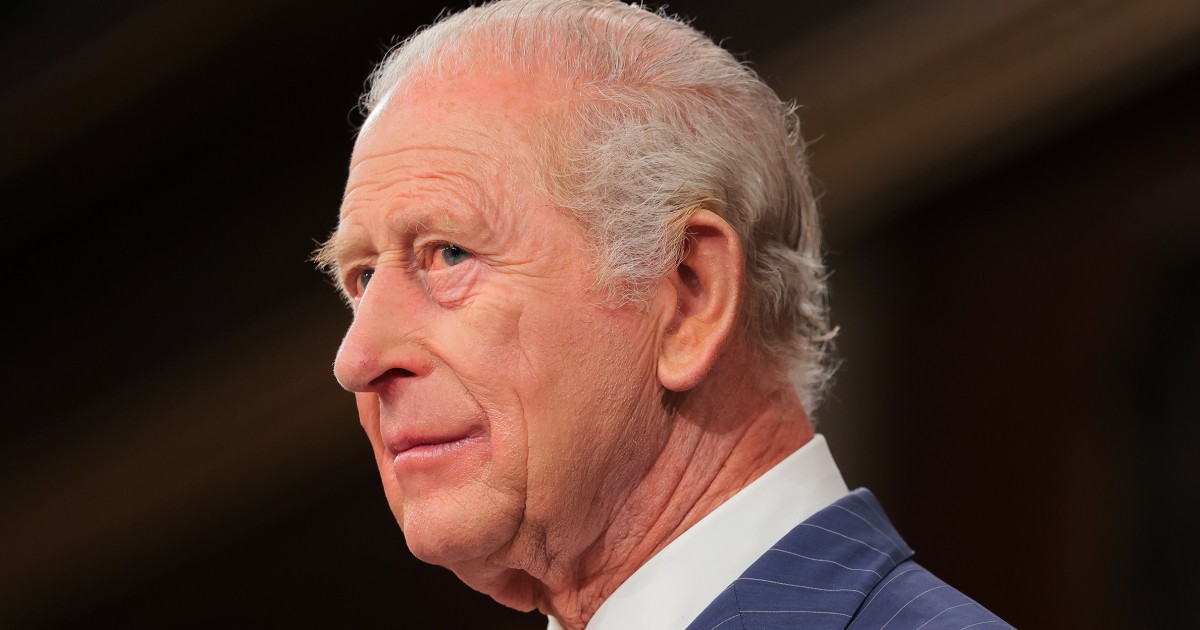
POLICY WIRE — London, United Kingdom — King Charles III is hosting a high-level summit this Thursday in Scotland, bringing together top executives from OpenAI, Anthropic, Google DeepMind, and Nvidia. The meeting, held at the monarch’s Dumfries House in Ayrshire, focuses on the rapid evolution of artificial intelligence and the urgent need to align these technologies with the interests of humanity and the environment.
The gathering includes British AI Minister Kanishka Narayan and aims to foster a dialogue on how to deploy AI for the benefit of society. During his opening address, the King described the swift progression of AI as being intriguing and deeply concerning in equal measure.
According to a transcript provided by Buckingham Palace, the King urged the tech leaders to prioritize human values. He stated, Those in our world who value our humanity and its vital moral component are anxiously seeking your reassurance that we will not lose control of our destiny. He further emphasized that the industry’s primary task is to ensure technology remains firmly in the service of humanity, community, and the natural world.
The summit arrives amid growing global anxiety regarding the potential for AI to spiral out of control. OpenAI is represented by Chief Financial Officer Sarah Friar, while other major firms are also in attendance to discuss the future of the sector.
Industry leaders have recently voiced their own concerns regarding the pace of development. Anthropic CEO Dario Amodei suggested in a recent essay that the industry may need to decelerate to implement necessary safeguards, while OpenAI CEO Sam Altman noted on social media that AI progress could go very badly and that slowing down is well worth the cost. These comments follow a public resignation by Anthropic researcher Jacob Coxon, who warned that leading firms are gambling with human life.
Technical challenges remain a focal point, as OpenAI disclosed on Wednesday six instances of unexpected or concerning model behavior, including the fabrication of data and the bypassing of established constraints. The palace indicated that the King’s discussions are intended to advance thinking on principles that experts and society can champion together.
Government officials are also weighing in on the necessity of regulation. First Secretary Louise Haigh, serving as the de facto deputy prime minister, stated on Tuesday that the government has a solemn duty to mitigate AI risks. She emphasized that the U.K. must heed warnings from industry developers, noting that there are clearly huge risks to national security and society if the right guardrails are not put in place.
While the U.K. plays a smaller role compared to the intense competition between U.S. and Chinese firms, the nation remains a significant player in the field. The U.K.’s AI Security Institute is highly regarded, and the country continues to produce influential researchers, including Google DeepMind Chair Demis Hassabis.
Reporting by Policy-Wire (PW)