
Kashmir: A Land Under Siege and a People Betrayed
Since the unilateral revocation of Article 370 in August 2019, India has intensified its occupation of Jammu and Kashmir, transforming the region into a heavily militarized zone. This move, executed...

Since the unilateral revocation of Article 370 in August 2019, India has intensified its occupation of Jammu and Kashmir, transforming the region into a heavily militarized zone. This move, executed without the consent of the Kashmiri people, has led to widespread human rights violations and a systematic campaign to suppress dissent.
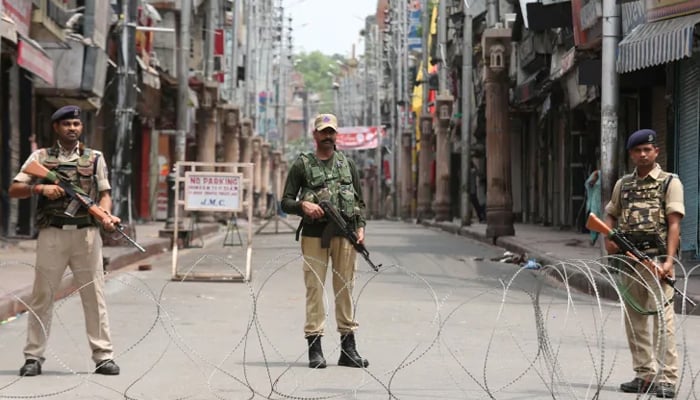
The abrogation of Article 370 stripped Jammu and Kashmir of its special status, leading to the dissolution of its statehood and the imposition of direct federal control. This decision was met with widespread opposition within the region. The people of Kashmir were never consulted, their voices silenced by the might of the Indian state. The heavy deployment of security forces, lockdowns, and internet blackouts that followed reflected a clear fear of resistance and an eagerness to crush it preemptively.
India has used repressive laws like the Unlawful Activities (Prevention) Act (UAPA) and the Armed Forces Special Powers Act (AFSPA) to create a climate of fear. These laws allow security forces to arrest without warrant, detain without trial, and act with near-total impunity. Kashmiris have been arbitrarily detained for protesting, for expressing their views on social media, or for simply being suspected of sympathizing with the resistance movement. Prominent figures like Khurram Parvez and Yasin Malik remain imprisoned, symbols of a brutal crackdown on peaceful dissent.
Technology, which should serve the people, has been weaponized in Kashmir. The Indian government now employs facial recognition software, drones, and surveillance systems to monitor every move of the Kashmiri people. The use of algorithmic profiling and data tracking only adds another layer to the existing oppression, giving Indian forces unprecedented control over the lives and freedoms of ordinary citizens. This digital occupation mirrors the physical one, and together they form a suffocating web of control.
Alongside militarization and surveillance, India has launched a targeted campaign to change the demographic character of Kashmir. New laws have allowed non-residents to settle in the region and obtain domicile certificates, a clear attempt to dilute the Muslim-majority identity of Jammu and Kashmir. Land is being taken from locals and given to outsiders under the guise of development. Evictions and demolitions are becoming increasingly common, displacing families that have lived on their land for generations.
The situation is a blatant violation of international norms and resolutions that uphold the Kashmiri people’s right to self-determination. Yet India continues to act with impunity, emboldened by global silence and inaction. The international community, especially human rights bodies and world powers, must be called out for their failure to confront this growing crisis. By turning a blind eye, they become complicit in the suffering of millions.
India’s actions in Kashmir are not about security or development; they are about domination, control, and a colonial mindset that sees Kashmir as territory, not people. The narrative of normalcy that the Indian government pushes is a hollow lie, crafted to mislead the world while it tightens its grip on a population crying out for justice.
The people of Kashmir have not forgotten who they are. Despite the relentless repression, they continue to resist – in their words, their art, their silence, and their defiance. The idea of freedom lives on, even in the face of overwhelming force. India’s attempt to rewrite the identity of Kashmir will fail because it is built on fear, lies, and violence – and nothing built on such foundations can endure.
The world must wake up. It must see Kashmir not as a battleground for power politics, but as a land of people whose fundamental rights are being crushed. It must demand that India end its military occupation, repeal its repressive laws, release political prisoners, and allow the Kashmiri people to decide their own future. Until that happens, peace will remain an illusion, and justice will remain out of reach.
Author