


Kansas Catapult: City’s £116M Gamble Unfurls in America’s Heartland
POLICY WIRE — Kansas City, USA — Far from the gleaming floodlights of the Etihad or the cobblestone charm of Nottingham, the future of Premier League dominance took an odd detour. Deep in...

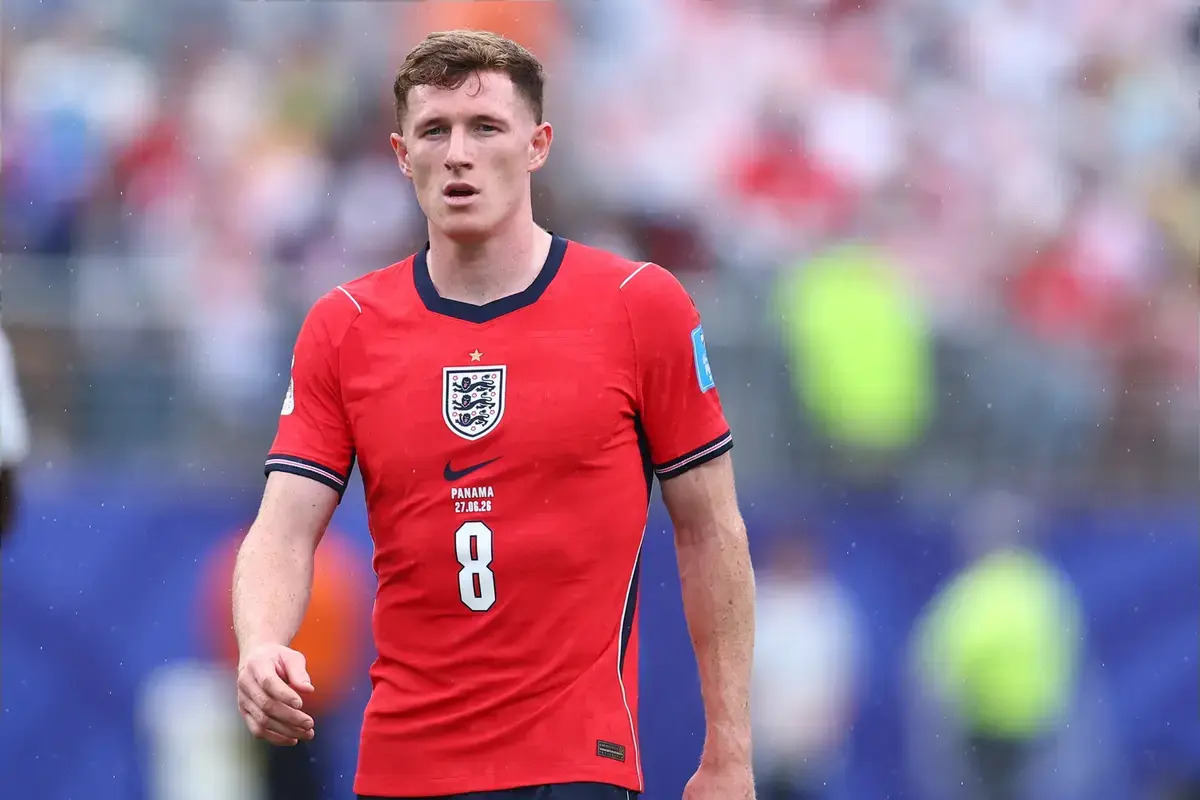
POLICY WIRE — Kansas City, USA — Far from the gleaming floodlights of the Etihad or the cobblestone charm of Nottingham, the future of Premier League dominance took an odd detour. Deep in America’s heartland—Kansas, of all places—a staggering £116 million gambit by Manchester City unfolded with little fanfare, save for a crucial medical examination. Elliot Anderson, a 23-year-old midfielder, reportedly passed his Manchester City medical in Kansas, confirming the final bureaucratic hurdle before a move from Nottingham Forest that’ll make even the most jaded finance whiz blink.
It’s not just a transfer; it’s a financial statement etched in absurdity. The United States setting for such a momentous deal raises more than an eyebrow, pushing the boundaries of what constitutes a conventional football transfer process. Why Kansas? Perhaps it’s a bid for privacy, or a convenient waypoint given England’s World Cup schedule. But it certainly feels a bit like conducting high-stakes diplomacy in a bowling alley—unexpected, peculiar, and yet, ultimately effective. [QUOTE_PLACEHOLDER]
And let’s be frank: the sum involved is colossal. This particular transaction, once confirmed, will represent a record Man City buy, surpassing the £100M paid to sign Jack Grealish from Aston Villa in 2021. For £116 million—no add-ons, mind you—City’s effectively acquiring a young man capable of both carrying the ball and pressing like a terrier, along with some seriously technical quality from deep. It’s an investment, pure and simple, one that signals the club’s unwavering intent to maintain its chokehold on silverware.
But the numbers involved aren’t just abstract figures for accounting departments; they ripple through economies, even reaching far-flung regions like South Asia. Think about it: a single player’s transfer fee eclipses the annual budget of many smaller developing cities, or even entire national development projects in places like Pakistan, where every rupee counts. This immense liquidity flowing through elite football pipelines underscores a fascinating global wealth dynamic. Sovereign wealth funds, often originating from oil-rich nations (not least of which are several Muslim-majority states), have fundamentally reshaped European football’s financial landscape. The Manchester City Group’s extensive portfolio, for example, is emblematic of how deep-pocketed investors now fuel aspirations on the pitch, contrasting starkly with the financial struggles faced by clubs in emerging economies, even those with passionate fan bases, such as those in the Pakistan Premier League or India’s top flights.
Elliot Anderson’s protracted move to the Etihad Stadium has taken another significant step forward after he passed his medical in the United States as one of the summer’s most high-profile transfers near their conclusion. The club plans a lucrative salary in the region of £300,000-per-week with bonuses for the player, cementing his place not just on the field, but within an elite financial stratum few ever reach. These eye-watering figures also influence perception and aspiration among the massive South Asian diaspora that avidly follows the Premier League. For many, the dreams aren’t just of playing, but of accessing the opportunities and wealth generated by this global spectacle. That’s a strong magnetic pull, no doubt.
Because new boss Enzo Maresca’s inheriting a squad in flux. Club captain Bernardo Silva prepares to join Real Madrid as a free agent on July 1, creating a gaping hole Anderson is tailor-made to fill. His arrival addresses the most urgent gap in City’s squad. England manager Thomas Tuchel had previously indicated that he would facilitate Anderson’s transfer after England’s Panama fixture, insisting that the completion of the move wouldn’t be permitted to distract from the team’s preparations during the group-stage of the tournament in north America. Well, the group stage is over. According to Telegraph Sport’s Mike McGrath, Anderson has passed his Manchester City medical in Kansas, with the deal set to be formally completed before England face DR Congo in the FIFA World Cup Round of 32 on Wednesday.
It’s all quite tidy, really, a perfectly choreographed piece of business theatre played out far from the paparazzi’s glare. The formal announcement of Anderson’s signing will mark the first completed piece of business in what’s expected to be a wide-ranging summer rebuild under Maresca at the Etihad Stadium. Viana, City’s director of football, is understood to be pursuing further signings across multiple positions. The completion of Anderson’s medical represents the final significant hurdle before the move can be announced, with personal terms and contractual details – including a five-year deal with an option for a further 12 months – already squared away. Whether the official news drops before or after England’s upcoming World Cup clash is almost a triviality now. The die’s cast.
What This Means
This saga isn’t merely about a young man changing clubs; it’s a mirror reflecting the unyielding, often dizzying financial clout now concentrated at the pinnacle of European football. Manchester City, a club emblematic of globalized wealth investment, is effectively writing the script for transfer market inflation. The £116 million fee isn’t just an amount; it’s a new benchmark, potentially pushing prices even higher across the board for elite talent. Economically, this influx of capital, while exciting for fans, raises questions about sustainability and competitive balance within sports leagues. For nations like Pakistan, where sports infrastructure often struggles for funding, such sums highlight a stark global economic divide—money flows abundantly where profitability is maximized, sometimes leaving less glamorous but equally passionate markets with scraps.
Politically, the presence of major clubs like City, backed by state-aligned entities, intertwines sports with geopolitical influence. It’s a soft power play, a means of burnishing national images — and expanding cultural footprints across continents. When a record signing happens, it’s not just fans taking note; policymakers, business strategists, and economists are quietly observing these transactions as indicators of shifting global financial power. This isn’t just a sport; it’s a hyper-capitalist spectacle with global ramifications that echo beyond the pitch.