

Japan’s Culinary Citadel: Digital Passports and the Exclusivity Economy
POLICY WIRE — Tokyo, Japan — Forget the ancient temples for a moment. Never mind the neon-soaked futuristic cityscapes. If you’re truly looking to grasp the intricacies of modern Japan—its subtle...

POLICY WIRE — Tokyo, Japan — Forget the ancient temples for a moment. Never mind the neon-soaked futuristic cityscapes. If you’re truly looking to grasp the intricacies of modern Japan—its subtle hierarchies, its guarded traditions, and the often-unseen layers of its economic and social fabric—you’ll find them woven tightly into the impossible task of securing a table at one of its coveted restaurants. This isn’t just about gastronomy. No, this is about access, trust, and a digital infrastructure that inadvertently serves as both gatekeeper and key for a discerning, global clientele. It’s complicated.
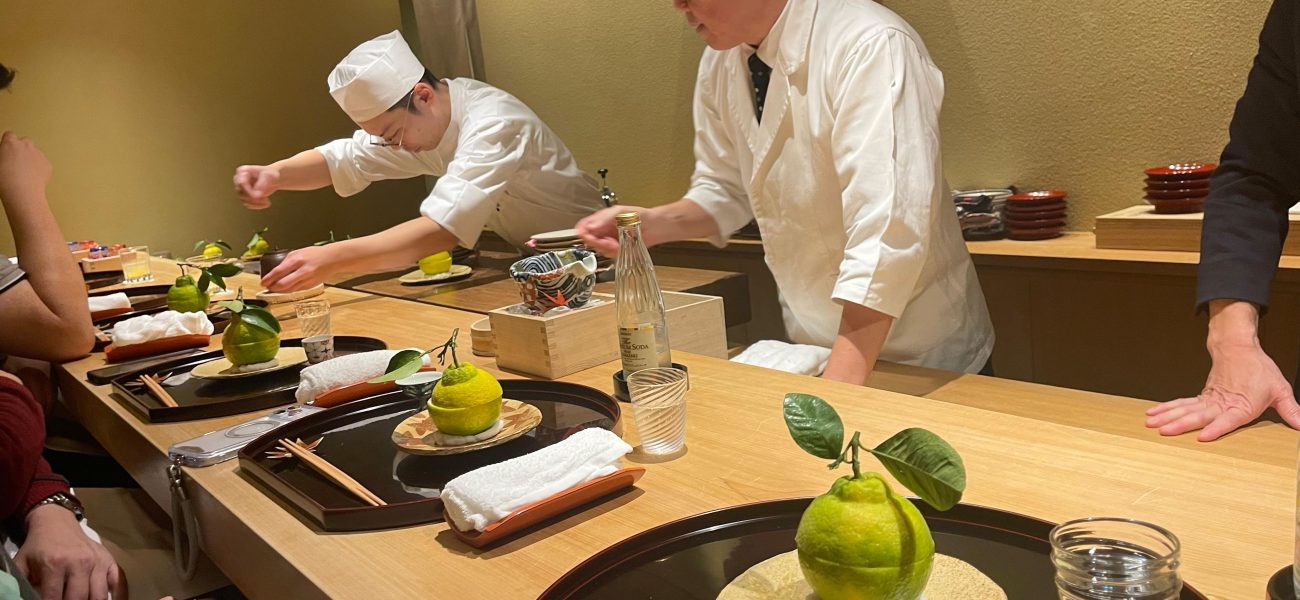
It sounds mundane, reserving a restaurant. But for a specific echelon of Japan’s dining establishments—the multi-Michelin-starred sushi counters, the elusive kaiseki emporiums, or the tiny, perfectionist ramen shops—the process is less a booking and more an initiation. These aren’t just meals; they’re performances, legacies, and for many, a deeply personal interaction that technology is only now tentatively navigating. Foreigners often find themselves utterly locked out. And that’s by design, largely.
Consider the mechanics: many top-tier Japanese restaurants don’t accept direct reservations from individuals without a Japanese phone number or a local connection. Sometimes, they don’t even *have* a public phone number. They rely on hotel concierge services—but only those from elite hotels—or trusted introducers, a system steeped in traditional notions of shakai shikin (social capital). It’s not just a business; it’s an honor system. A network.
“Our culinary traditions, they’re not just about food; they’re about an experience, a personal relationship that’s built over time,” explains Mr. Kenji Tanaka, Director of Inbound Tourism at the Japan National Tourism Organization, during a recent, carefully orchestrated press brief. “Sometimes, automation, it simply misses that essence. We want visitors, but we also want to preserve the authenticity our patrons seek.” It’s a delicate balancing act, isn’t it?
This insular system is getting a digital makeover, slowly. Specialized reservation services, often fee-based and requiring international credit cards, have emerged as intermediaries. These platforms—think Omakase, Tabelog, or a suite of bespoke, smaller operators—act as digital concierges, bridging the cultural and linguistic divide. But even with them, you’re often playing a long game, waiting months for slots that vanish within minutes of release. Because demand for Japan’s elite culinary experiences has spiked; according to Japan’s Ministry of Land, Infrastructure, Transport and Tourism, inbound tourists spent over $13 billion on food and drink in 2023, representing a significant portion of their total expenditure. This isn’t small potatoes. That’s real money flowing into these very specialized corners of the economy.
But this digital leap also creates new exclusions. For communities often marginalized by traditional banking or digital literacy, particularly those from emerging economies or nations in South Asia—say, a wealthy entrepreneur from Karachi—access remains elusive. They might possess the financial means but lack the established digital footprints or intermediary connections that Japan’s increasingly techno-traditional culinary scene demands. And that’s a conversation rarely had, you know? While Western digital natives might grumble about system quirks, for many others, it’s a non-starter altogether.
📄 POLICY WIRE WHITEPAPER PUBLISHED: PAKISTAN'S NATIONAL SECURITY POLICY PRIORITIES
👉 READ BY CLICKING HERE“This isn’t just about getting a table,” argues Dr. Amira Khan, a professor specializing in East Asian economic policies at the University of London. “It’s a reflection of deeper societal currents—trust, networks, and a digital divide that inadvertently favors established players, sometimes leaving new entrants, even wealthy tourists, on the outside. It’s economic soft power, channeled through sushi rice.” She makes a decent point.
What this means, in a nutshell, is Japan’s reservation conundrum isn’t just a travel hack; it’s a microcosm of global economic access and cultural integration. It highlights how digital innovation, intended to democratize, can sometimes solidify existing barriers, transforming culinary privilege into a commodity traded on digital platforms. The country, keen to boost tourism post-pandemic, has opened its doors wider, but the back alleys of its most prized dining rooms remain firmly controlled, sometimes by algorithm, sometimes by an unwritten social code.
What This Means
The exclusive nature of Japan’s top-tier dining, now mediated by specific digital platforms, presents a unique economic and cultural dynamic. Politically, it’s a tightrope walk for a government keen on maximizing tourism revenue while preserving cultural distinctiveness. There’s pressure to make Japan accessible, yet also a powerful incentive to maintain the very exclusivity that fuels its global appeal among the affluent. Economically, this creates a niche market for concierge services and specialized booking platforms, acting as significant intermediaries. These platforms aren’t just conveniences; they’re becoming arbiters of who gets in and who stays out, carving out a substantial share of the tourism economy that might otherwise go directly to restaurants. For nations trying to bridge their own digital divides, or integrate into global tourism flows—particularly Muslim-majority nations attempting to navigate their culinary preferences within different cultural contexts—Japan’s model serves as both a template for digital efficiency and a cautionary tale regarding inherent biases. This dynamic isn’t limited to food; it echoes broader trends in premium service sectors globally, where Asia’s tech infrastructure plays a complex, often exclusionary, role. It’s a game of insiders — and outsiders, always. Just digital now.
So, when you see a perfect Omakase experience pop up on Instagram, remember: it’s more than just meticulously sliced fish. It’s a testament to navigating a subtle, powerful, and very Japanese labyrinth of tradition, technology, and very often, who you know. Or at least, which specific digital middleman knows the right people.