


Italy’s Parmigiano Reggiano: Assessing Heat Wave Impact on Cheese Production
POLICY WIRE — ROME, Italy — Recent social media claims have suggested that Italy’s renowned Parmigiano Reggiano cheese is suffering due to the ongoing heat wave. Parmigiano Reggiano, a...

POLICY WIRE — ROME, Italy — Recent social media claims have suggested that Italy’s renowned Parmigiano Reggiano cheese is suffering due to the ongoing heat wave. Parmigiano Reggiano, a protected designation of origin (PDO) cheese, is produced under stringent standards within the Emilia Romagna region in northern Italy.
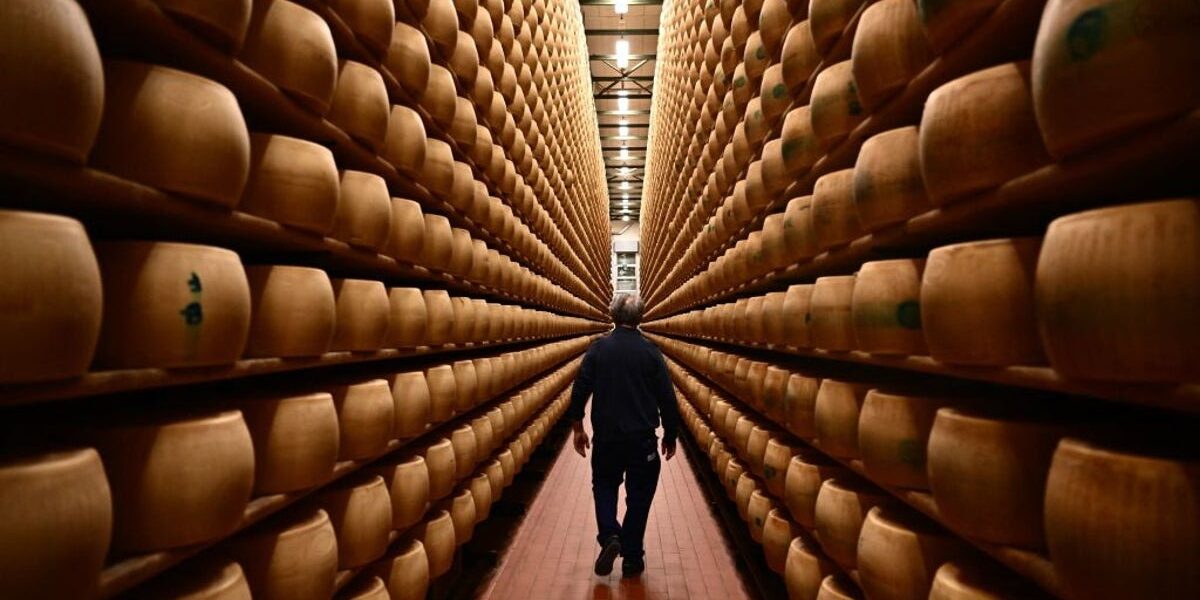
The production of Parmigiano Reggiano is deeply rooted in tradition, with methods passed down through generations. The cheese is made from raw cow’s milk, which is then cooked, molded, and aged for a minimum of 12 months. The process is highly sensitive to environmental conditions, particularly temperature and humidity.
As temperatures in Italy soar, concerns have been raised about the potential impact on cheese production. High temperatures can affect the quality of milk and the aging process of the cheese. Dairy farmers and cheese producers are closely monitoring the situation to mitigate any adverse effects.
“The heat wave is a significant concern for us,” said Giovanni Caselli, a dairy farmer in Emilia Romagna. “We are taking extra measures to ensure the cows are comfortable and the milk quality remains high. The aging rooms are also being carefully managed to maintain the optimal conditions for the cheese.”
The Consortium of Parmigiano Reggiano has issued statements reassuring consumers that the production standards remain unchanged. “We are committed to maintaining the highest quality standards, even in challenging weather conditions,” said a spokesperson for the Consortium. “Our producers are experienced in handling such situations and are taking all necessary precautions.”
Climate change is increasingly becoming a factor in agricultural production across the globe. In Italy, the wine, olive oil, and dairy industries are particularly vulnerable to shifting weather patterns. The heat wave has also prompted discussions about the long-term sustainability of traditional farming practices in the face of a changing climate.
Experts suggest that adapting to these changes may require innovative approaches, such as adjusting production schedules, improving infrastructure, and exploring new technologies to maintain product quality. “it is crucial for farmers and producers to be proactive in addressing these challenges,” said Dr. Elena Rossi, an agricultural scientist at the University of Bologna. “By investing in research and adaptation strategies, we can help ensure the continuity of these important traditions.”
As the heat wave continues, the focus remains on supporting local producers and preserving the integrity of Italy’s cherished culinary heritage. Consumers are encouraged to stay informed about the efforts being made to safeguard the production of Parmigiano Reggiano and other traditional Italian products.
Reporting by Policy-Wire (PW)