


Istanbul’s Naval Ascent: Romanian Corvette Deal Points to New Black Sea Order
POLICY WIRE — Bucharest, Romania — Forget, for a moment, the predictable maneuvers of traditional powers. The real story unfurling along Europe’s volatile eastern edge often doesn’t...

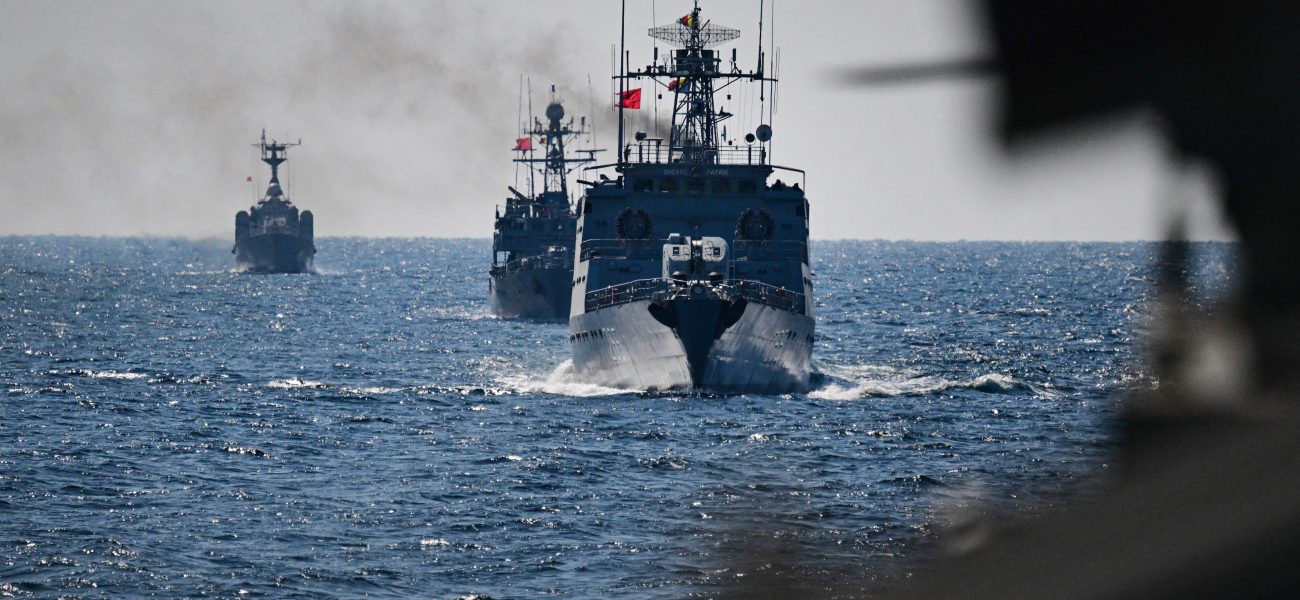
POLICY WIRE — Bucharest, Romania — Forget, for a moment, the predictable maneuvers of traditional powers. The real story unfurling along Europe’s volatile eastern edge often doesn’t involve glittering arsenals from the usual suspects in Paris or London. Sometimes, it’s quieter. More strategic. Like Romania—a loyal NATO member, mind you—turning not to Germany or the U.S., but to Istanbul’s burgeoning shipyards for its latest naval asset. A Turkish-built corvette is slated to join Bucharest’s Black Sea fleet, and if you’re not paying attention, you’re missing a key strategic shift, a subtle recalibration of influence on a vital, contested waterway.
It isn’t just about a new ship, no. This deal, ostensibly about Romania boosting its defensive posture against a re-emboldened Russia in the Black Sea, peels back layers on Turkey’s rapidly expanding defense industrial base. They’re not just making drones for skirmishes anymore; they’re crafting serious blue-water capabilities, exporting their designs and muscle. And that changes equations, doesn’t it?
For Romania, it’s a pragmatic move. It’s an urgent one. Their coastline skirts a body of water that’s seen its share of unwelcome Russian flexing, particularly since Moscow decided to redraw Ukraine’s maps. Buying from Turkey, a fellow NATO ally but one with distinct regional ambitions, might not be everyone’s first thought. But it’s cost-effective. It’s available. And, frankly, it underscores the need for self-reliance in a neighborhood where waiting for larger allies to sort out procurement snags could prove fatal. “We aren’t simply adding steel to our fleet,” asserted Romania’s Defense Minister, Angel Tîlvăr, in a recent statement reflecting national resolve. “This acquisition represents a tangible investment in regional stability, fortifying our sovereign defense capabilities in an unpredictable environment.”
Turkey, meanwhile, plays a long game. Their defense industry has been on a meteoric trajectory. Because they’ve been methodically nurturing their own defense sector for decades, diversifying their suppliers and markets. According to data from the Stockholm International Peace Research Institute (SIPRI), Turkey’s arms exports rocketed by a staggering 106% between 2018–2022 compared to the preceding five-year period (2013–2017). That’s not a blip; it’s a trend. This Romanian deal? It’s just another notch in their belt, confirming Turkey’s status as a serious global player.
And what Ankara is proving is that its industrial might isn’t solely about domestic defense, but about projecting influence far beyond the Aegean. A senior official within Turkey’s Directorate of Defense Industries, who preferred to remain unnamed citing ongoing negotiations, reportedly remarked, “Our industrial muscle isn’t solely for Ankara’s might; it strengthens our allies. It solidifies our collective security and demonstrates Turkey’s commitment to responsible technological transfer.” But it also opens doors. Doors for future collaboration, doors for setting new regional standards, even doors to unexpected partners.
📄 POLICY WIRE WHITEPAPER PUBLISHED: PAKISTAN'S NATIONAL SECURITY POLICY PRIORITIES
👉 READ BY CLICKING HEREConsider, if you will, the broader tapestry Turkey is weaving. The same capabilities enabling a Romanian corvette are finding homes elsewhere, cementing Turkey’s role as a trusted partner across the Muslim world—from its naval contracts with Pakistan, for instance, supplying modern corvettes and tankers, to drone exports influencing battlefields in North Africa and the Caucasus. These aren’t isolated transactions. They’re part of a grander strategic design where Ankara uses its defense prowess not only to secure its own interests but to shape geopolitical realities, forging new relationships and often bypassing traditional Western hegemons.
What This Means
This single corvette sale, modest though it seems, pulls back the curtain on several intricate dynamics. Geopolitically, it reinforces the shifting sands in the Black Sea. Russia’s aggression in Ukraine hasn’t just prompted a naval buildup; it’s driven NATO members like Romania to diversify their suppliers, acknowledging that their immediate security needs might sometimes be better met by closer, more flexible partners. Turkey, straddling East and West, a NATO member but increasingly charting its own course, is perfectly positioned to fill this gap. Its growing defense autonomy suggests a willingness to operate within—and sometimes adjacent to—established Western frameworks. It means an increase in Turkey’s strategic weight within the alliance, potentially giving Ankara more leverage on other issues—like say, Sweden’s NATO bid, or even wider engagements from the Middle East to Central Asia. For Pakistan, and other Muslim-majority nations observing Ankara’s defense industrial successes, it validates a path of indigenous development and diversified strategic partnerships. Economically, it’s a boon for Turkey’s rapidly industrializing sector, providing valuable export revenue and enhancing its international standing. But it also subtly redefines what a ‘NATO ally’ looks like in practice. It’s getting complicated out there, wouldn’t you say?