


Diamonds, Deals, and Deference: America’s Enduring Infatuation with French Fine Goods
POLICY WIRE — NEW YORK, U.S. — Forget the fireworks — and the platitudes about independence. As the United States careens toward its quarter-millennium mark, something far older—and,...

POLICY WIRE — NEW YORK, U.S. — Forget the fireworks — and the platitudes about independence. As the United States careens toward its quarter-millennium mark, something far older—and, frankly, more commercially astute—continues to command its attention: the gleaming, well-polished edifice of French luxury. It’s not just a passing fancy; it’s a full-blown, decades-old, mutually beneficial infatuation that persists even as global dynamics shift like sand dunes in the Arabian Desert.
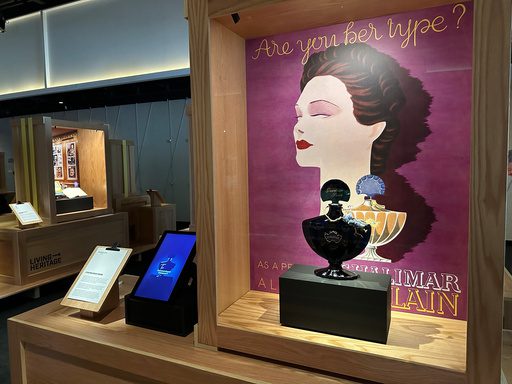
Down in Manhattan, a fresh exhibit called “Hidden Treasures” pulls back the curtain on this curious transatlantic tango. It’s not a history lesson so much as a shrewd marketing masterclass. Curated by Comité Colbert, the clandestine cartel of French “maisons,” it parades relics like Jackie Kennedy’s Givenchy coat—because, naturally, nothing says ‘American aspiration’ quite like French couture on an icon—and a Cartier lunar module, linking moon shots to jewels. It’s all very grand, a theatrical reminder of a bond forged in revolution, then meticulously rebranded for consumption. And they’ve got an eye for the dollar, always.
Bénédicte Épinay, the sharp-witted President and CEO of Comité Colbert, doesn’t mince words, though she wraps them in silken French charm. “Look, you can talk about historical ties all day, sure,” she told us, “but we’re here because Americans don’t just appreciate what we create. They buy what we sell. And they buy a lot.” She’s not wrong. Analysts at Bain & Company estimate the U.S. now accounts for roughly 22% of the global personal luxury goods market—a colossal slice of that high-end pie, mind you.
But how does a nation born of rebellion fall so utterly under the spell of European old-world elegance? “America, bless its heart, always looked to Europe for the blueprint. We bought their history, then we bought their handbags,” deadpanned Professor James Burroughs, from UVA’s McIntire School of Commerce. His take is simple: early America, a relatively raw, economic adolescent, desperately craved the validation of established cultures. France provided it. They&d make us medals; we&d make them rich. It’s a fair exchange, isn’t it?
The brands, they’re not just selling threads or trinkets. They’re selling a narrative. They’re selling a whispered promise of sophistication, a ‘je ne sais quoi’ that seems to elude even the most determinedly innovative American spirit. Dior, Louis Vuitton, Chanel — they’re not just hosting runway shows on Fifth Avenue; they’re pushing into America’s heartland. Nashville now boasts an Hermès. They’re adapting their offerings, even pairing Champagne with hamburgers in retro ads to make it accessible to ‘the mass American consumer.’ Subtle? Not exactly. Effective? You bet your bottom dollar.
This relentless commercial push isn’t just confined to the West. While America’s “love affair” is centuries old, new frontiers for French luxury include dynamic markets from Dubai to Jakarta, and yes, even emerging segments in Pakistan. It’s a different game there—one often navigating delicate cultural nuances and discreet displays of wealth rather than outright ostentation. But the principles of quality, heritage, — and aspiration? They’re universally appealing. From Lahore’s elite to a rancher’s wife in Texas, a certain brand of French chic sells, baby. Always has, probably always will.
The exhibit itself, replete with items ferried across the Atlantic in “shipping containers,” subtly underscores the logistical, commercial, and often blunt reality of this cultural exchange. It’s less about poetic inspiration, more about profit margins. And what’s wrong with that, you might ask? Commerce has always driven human interaction, building bridges — sometimes fragile, sometimes diamond-encrusted — between peoples.
What This Means
This enduring French luxury grip isn’t just about stylish handbags; it reflects a broader economic reality: Europe, specifically France and Italy, still sets the tempo for much of the global luxury market. For America, it signifies a continuous, often unspoken, cultural deference — a willingness to import identity along with goods. Economically, it’s a substantial outflow of consumer spending, yet simultaneously, it draws significant foreign investment as these brands expand. It also highlights the elasticity of the American consumer, proving resistant even to prior administrations’ tariff skirmishes—something we’ve seen affect other sectors with less durable cultural cachet. Tariffs or no tariffs, politics or “up and down” economics, as Épinay herself put it, the appetite for an imagined slice of European heritage seems to persist. And as the world becomes increasingly fractured, with regions grappling with geopolitical tensions and shifting alliances, luxury trade often sails on, remarkably insulated from the geopolitical squalls buffeting other industries. It’s a testament to the power of desire, really, and perhaps a subtle form of economic soft power that transcends political divides. Or maybe, it’s just a whole lot of really nice stuff people want to buy.