

Iran Issues Direct Threat to U.S. Forces Amid Rising Middle East Tensions
Iran warns of retaliation against U.S. interests as regional conflict intensifies. Discover the latest on Houthi strikes and global energy market impacts.

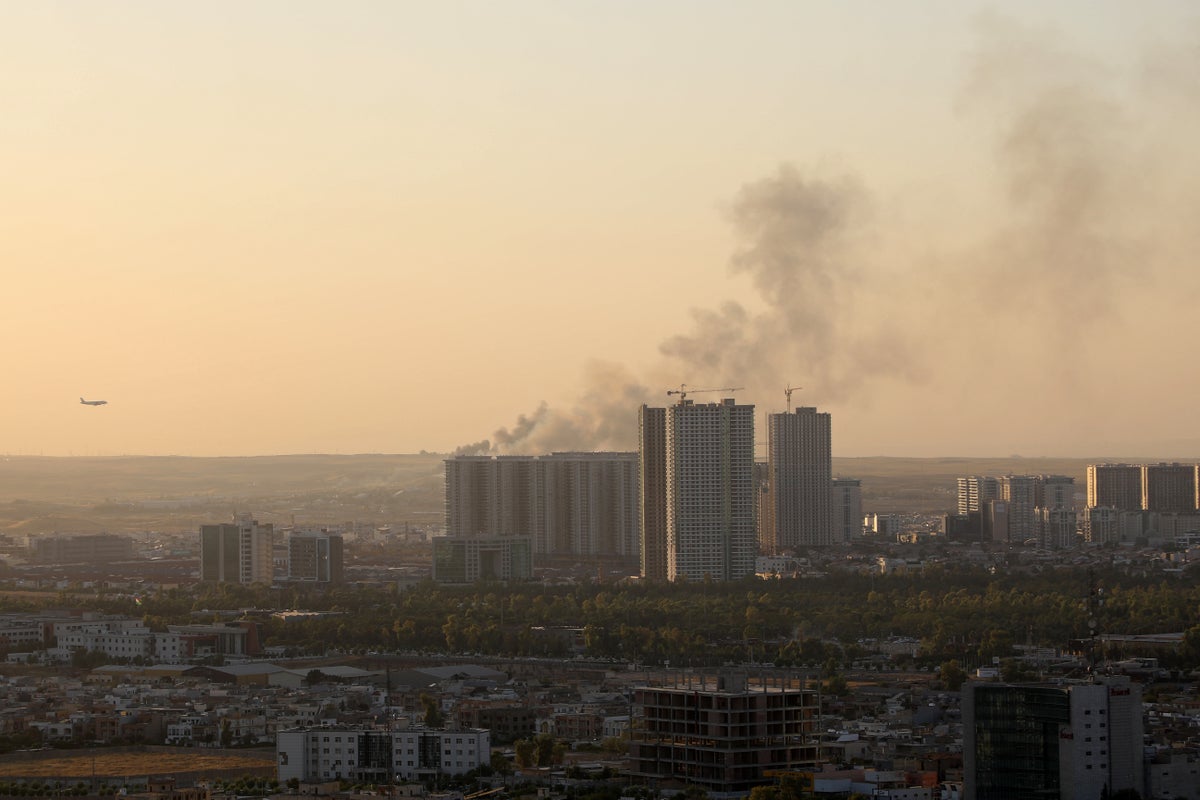
POLICY WIRE — Washington, D.C. — Iran issued a stern warning on Sunday, claiming it has intelligence regarding a potential new offensive being planned by the United States and its regional partners. This development has significantly heightened regional anxiety following recent missile and drone attacks targeting Saudi Arabia.
The Iranian military central command announced via state media that any new assault would trigger sustained retaliation against American military bases and interests. Furthermore, the command declared that any regional allies of Washington would be treated as active participants in the ongoing conflict.
While the Iranian command did not provide specific details regarding the alleged impending attack, the U.S. State Department issued a security alert on Saturday. The advisory warned of unpredictable escalation and urged American citizens to remain vigilant, noting that commercial flights could be canceled and regional airspace might be closed.
Nearly seven months into the U.S.-Iran war, neither nation has shown a willingness to offer the concessions necessary to halt hostilities. As the conflict persists, global energy markets are experiencing severe strain due to the regional spillover.
On Saturday, the Iran-backed Houthi movement in Yemen claimed responsibility for strikes on Riyadh and a major petroleum facility in the Red Sea port of Yanbu. While Saudi Arabia remained silent on the specific claims, a Saudi-led coalition reported intercepting several attacks, and the U.S. State Department specifically cited Houthi threats against civilian airports.
The U.S. Department of Defense did not immediately respond to inquiries regarding Iran’s claims of an impending American attack. Meanwhile, recent Houthi territorial gains have left Riyadh in a difficult position, forcing a choice between continuing airstrikes or risking further damage to domestic energy infrastructure.
Houthi control along the Red Sea coastline now threatens the Bab el-Mandeb Strait, potentially allowing the group to blockade vital commercial shipping routes. This adds to the existing closure of the Strait of Hormuz by Iran, which has effectively severed Gulf oil exports from global markets and driven up international prices.
Economic pressure remains high as a U.S. blockade of Iranian ports prevents Tehran from exporting its own oil. With the June ceasefire agreement having collapsed in July, there is little sign of a diplomatic breakthrough.
Iran maintains that the Strait of Hormuz will stay closed until its interpretation of the June agreement is satisfied. Iranian Parliament Speaker Mohammad Baqer Qalibaf stated on Sunday that the nation must continue both military and diplomatic efforts to secure its strategic goals and repel its adversaries.
Reporting by Policy-Wire (PW)